
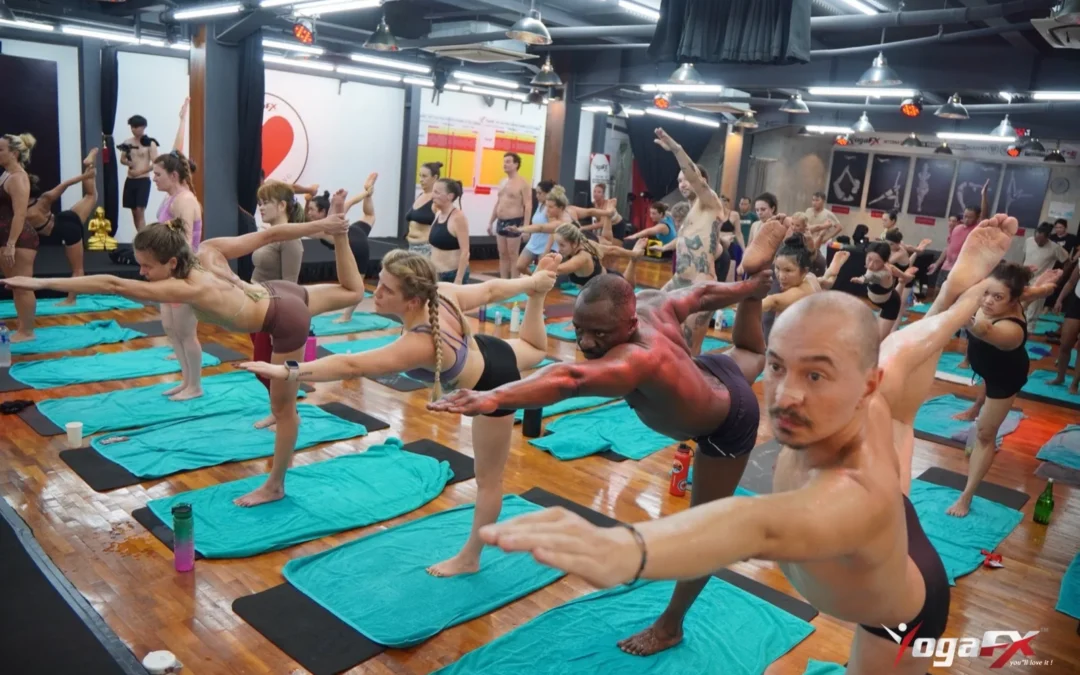
Yoga for footballers can improve hip and hamstring range, balance and breathing, but research does not show that it prevents injuries. Strength work still does that job. So use yoga as a short mobility habit, two or three sessions a week, and keep the deepest stretching away from match day.
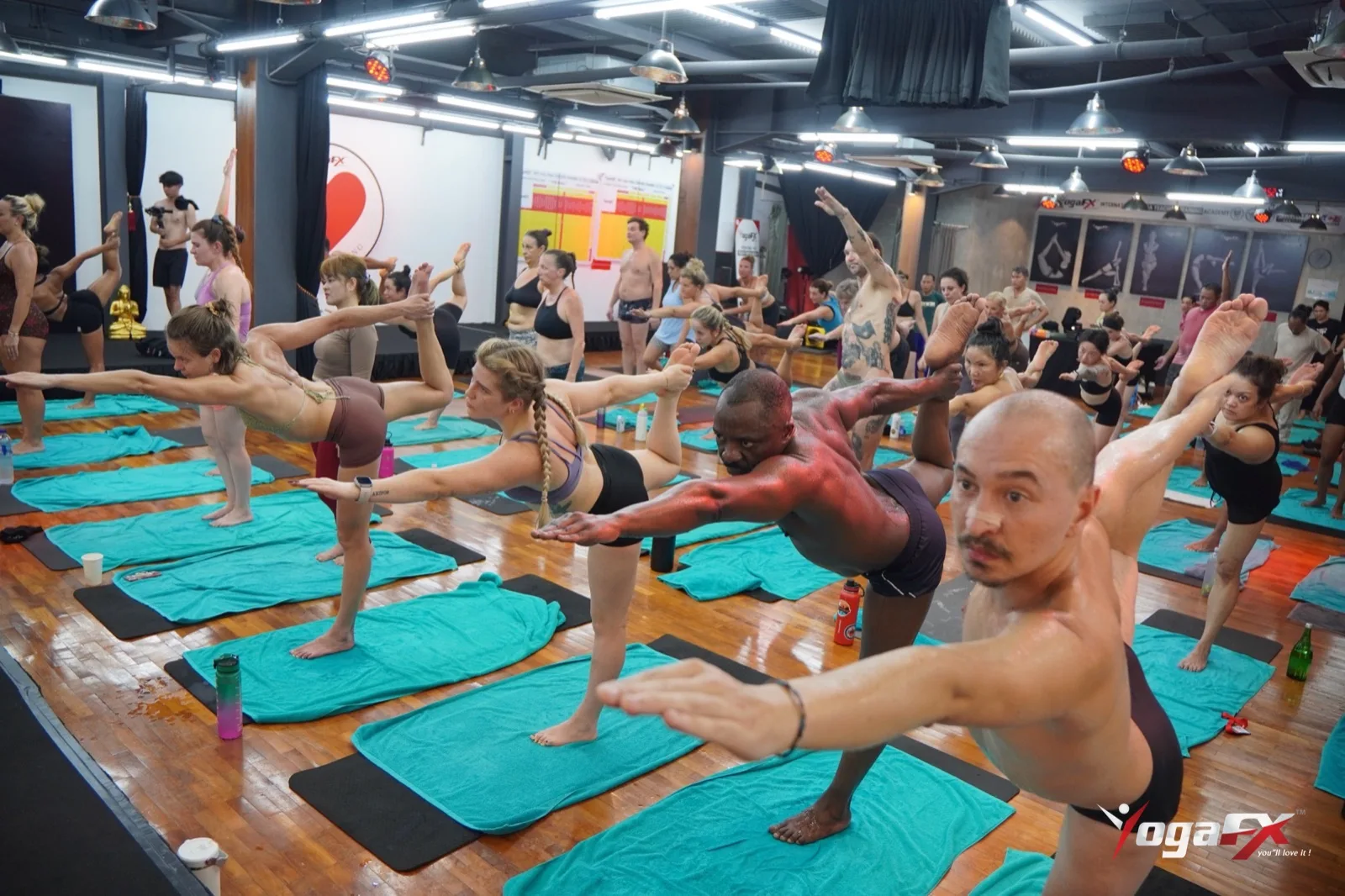
Yoga for Footballers: The Short Answer
The short answer is yes, with limits. Yoga for footballers is a good fit for loose hips, long hamstrings and a calm head after a hard match. It is not a replacement for the strength training your coach or physio sets. Think of it as a mobility layer on top of that work.
That framing matters because the evidence is uneven. The best injury data in football comes from strength trials, not yoga trials. So this guide keeps the two apart. You'll see what a large Danish hamstring trial found, what a hip trial measured, and what one famous player has said in public.
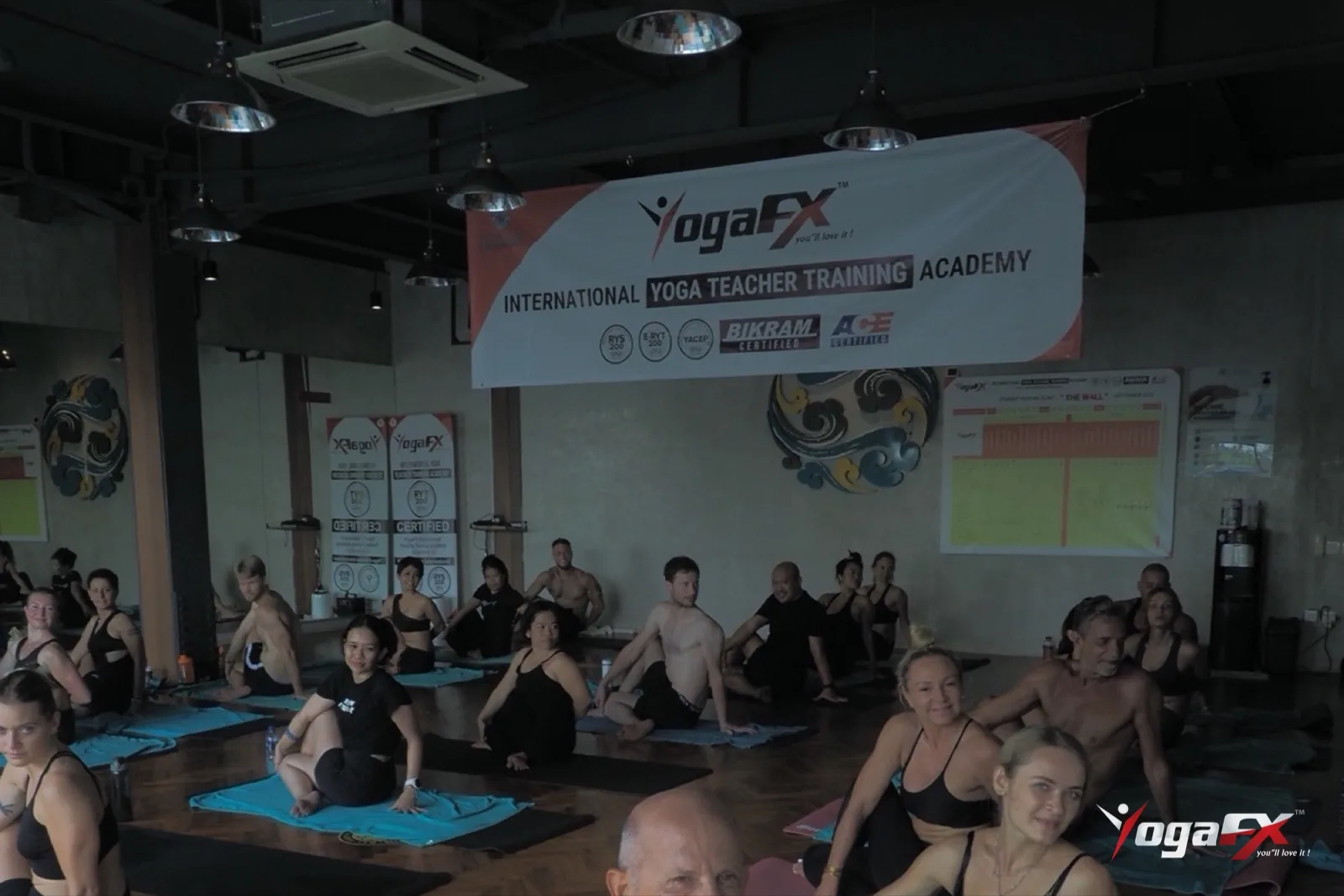
We follow the way Mr. Ian Terry teaches at YogaFX. Mr. Ian is an E-RYT 500 teacher with more than 12,000 teaching hours, and YogaFX has taught Original Hot 26&2 Yoga since 2017. We hold yoga to one rule here: say what a study measured, and no more.
- Adult amateur players who sit at a desk all week and feel it in the hamstrings on Saturday.
- Players back from a layoff who want a gentle way to move again, after their physio agrees.
- Coaches and parents who want to know whether yoga is worth adding to a football week.
Hamstrings: What the Trials Actually Show
Hamstring strains are a classic football injury, so it helps to start with the best trial on preventing them. A 2011 cluster-randomized trial in the American Journal of Sports Medicine followed 50 Danish male professional and amateur teams, 942 players in all. One group added an eccentric hamstring exercise, often taught as the Nordic hamstring lower, to normal training. The other group trained as usual.
The gap was large, and it frames everything about yoga for footballers. The control group had 52 acute hamstring injuries, and the exercise group had 15. Per 100 player seasons, the rates were 13.1 and 3.8. About 13 players needed the programme to prevent one injury.
That was strength work, not yoga. It matters because many players assume stretching is the main defence. So where does yoga for footballers fit? It does not replace this exercise. It adds what the trial did not test: range of movement, balance and a habit of checking in with your legs. No trial we found shows that more flexibility alone cuts hamstring injuries.
Why the difference matters: flexibility is how far a muscle can lengthen, while strength is how well it handles load, especially when it is lengthening fast, as in a sprint. A footballer needs both. Yoga for footballers mostly trains the first, and the Danish exercise mostly trains the second. That is why we recommend them side by side, not as rivals.
What yoga trials did measure
Two other sources speak to yoga directly. A 2013 controlled trial by Tracy and Hart tested the Original Hot 26&2 series. After 24 classes in 8 weeks, the yoga group folded further and lifted more in a deadlift than the control group. That is a real result, and it matches what yoga for footballers is meant to deliver. Even so, it measured fitness, not football injuries.
What the larger review adds
A 2025 systematic review by Willmott and colleagues covered 43 hot yoga studies with 942 participants. It looked at flexibility and well-being among other outcomes. The authors point to promising effects, not proof that hot yoga beats other exercise. We use it as a map of what is known, and nothing more.
| Study | What was tested | What it measured | What it means for yoga for footballers |
|---|---|---|---|
| Danish trial, 2011 | Added eccentric hamstring exercise in 50 men's teams | Acute hamstring injuries | Strength work cut injuries. Yoga was not part of it. |
| Copenhagen adduction trial, 2017 | 8 weeks of hip adduction exercise in U19 players | Hip adduction strength, not injuries | Groin strength can be trained. Yoga was not tested. |
| Tracy and Hart, 2013 | 24 hot 26&2 classes in 8 weeks | Flexibility and deadlift strength | Yoga can improve hamstring range and some strength. |
| Willmott et al., 2025 | Review of 43 hot yoga studies | Flexibility, well-being and more | Promising, but no proof it beats other exercise. |
| Porcari et al., 2014 | One 90-minute hot class | Heart rate and calories | A heated class is real work, so plan it like training. |
Hips and Groin: What We Know and What We Don't
What the hip trial measured
Football also loads the hips. Fast kicks and sudden changes of direction pull on the inner thigh. In 2017, a randomised trial of 45 U19 elite players tested a Copenhagen adduction exercise added to a standard warm-up. In the author version of the paper, hip adduction strength rose 8.0% in the Copenhagen group, while the standard group changed by -0.7%.
Here's the catch. The trial measured strength, not groin injuries.
The authors said the effect on groin injuries should be studied next. So we cannot say that any exercise, yoga included, protects the groin, and we will not claim it for yoga for footballers. We can say that hip strength is trainable, and that your hips need a full range of movement to kick and turn well.
Where yoga for footballers fits
This is where yoga for footballers earns its place. Wide-leg standing postures and gentle floor work take the hips through a range that sitting all day does not. Move slowly, keep the knee soft, and never stretch a groin that is sore from a match. A pulled adductor needs rest and a physio, not a deeper fold.
What Players Have Said in Public
Clubs rarely publish their mobility data, so most evidence about yoga in the professional game is personal. The best-known example is Ryan Giggs. He told FT Magazine that he began yoga after missing a big Champions League game through injury. He also said it helped him get another 10 years out of his career.
In a separate interview with Gazzetta dello Sport, reported when he was 38, Giggs said yoga gave him the flexibility and strength to train every day. That is one player's view of his own body. It is useful, but it is a story, not a trial. Treat it as a reason to try yoga, not as proof that it works for everyone.
Five things the evidence can and cannot say
- Strength work has the injury data. The Danish trial of 942 players cut hamstring injuries, and yoga was not part of it.
- Hot 26&2 has fitness data. Twenty-four classes in 8 weeks improved hamstring flexibility and deadlift strength.
- Hip strength is trainable. The Copenhagen exercise raised adduction strength by 8.0%, but injuries were not measured.
- No trial links yoga for footballers to fewer injuries. We found none, so we make no such promise.
- Player stories are not data. Giggs's account is worth hearing, and it is still one person.
Should Football Players Use Heat?
Many players love how loose their legs feel in a heated room. A 90-minute class is also hard work.
In a University of Wisconsin study (Porcari et al., 2014), men averaged about 80% of their maximum heart rate and burned about 460 calories in one class. That is real load for a football week.
Rules for heat in a football week
So treat a heated class as a moderate training session. Our heart rate guide for hot yoga shows how the effort builds, and the same logic is laid out for another sport in hot yoga for runners. These rules are our own practical advice, not trial findings:
- Keep heat away from the day before a match. You want fresh legs at kick-off, not a tired heart rate.
- Start unheated. The home routine below needs no hot room, and it teaches the postures first.
- Hydrate the evening before. Catching up in the last hour does not work.
- Leave the room if you feel dizzy. Nausea, a pounding headache or chills are warning signs, not toughness tests.
If you have a heart condition, high blood pressure, a current injury or a history of heat illness, check with your doctor before any heated practice. This article is general information, not medical advice.
A 12-Minute Hip and Hamstring Routine for Footballers
You do not need a hot room to try yoga for footballers, and an unheated start is the safest way in. This routine uses postures from the Original Hot 26&2 series. Do it in a warm room after training, or on a rest day. Keep every posture at about 60% effort, with a soft knee and slow breathing.
| Step | Posture | Time | What a footballer should notice |
|---|---|---|---|
| 1 | Standing Deep Breathing | 1 minute | Slow nose breaths bring your heart rate down. |
| 2 | Half Moon, both sides | 2 minutes | A long stretch along the sides of the trunk and hips. |
| 3 | Standing Separate Leg Stretching | 2 minutes | Hamstrings and inner thighs lengthen in a wide stance. |
| 4 | Triangle, both sides | 2 minutes | A deep lunge position that opens the hips and groin. |
| 5 | Wind Removing | 2 minutes | A gentle release in the hips and lower back. |
| 6 | Spine Twisting | 2 minutes | Easy rotation after hours of sitting. |
| 7 | Savasana (lying rest) | 1 minute | Lie still and let your breathing settle. |
For the full list of postures and their cues, see our 26&2 poses guide. Learn the names first, then the order, and the routine becomes automatic.
How to know it's working
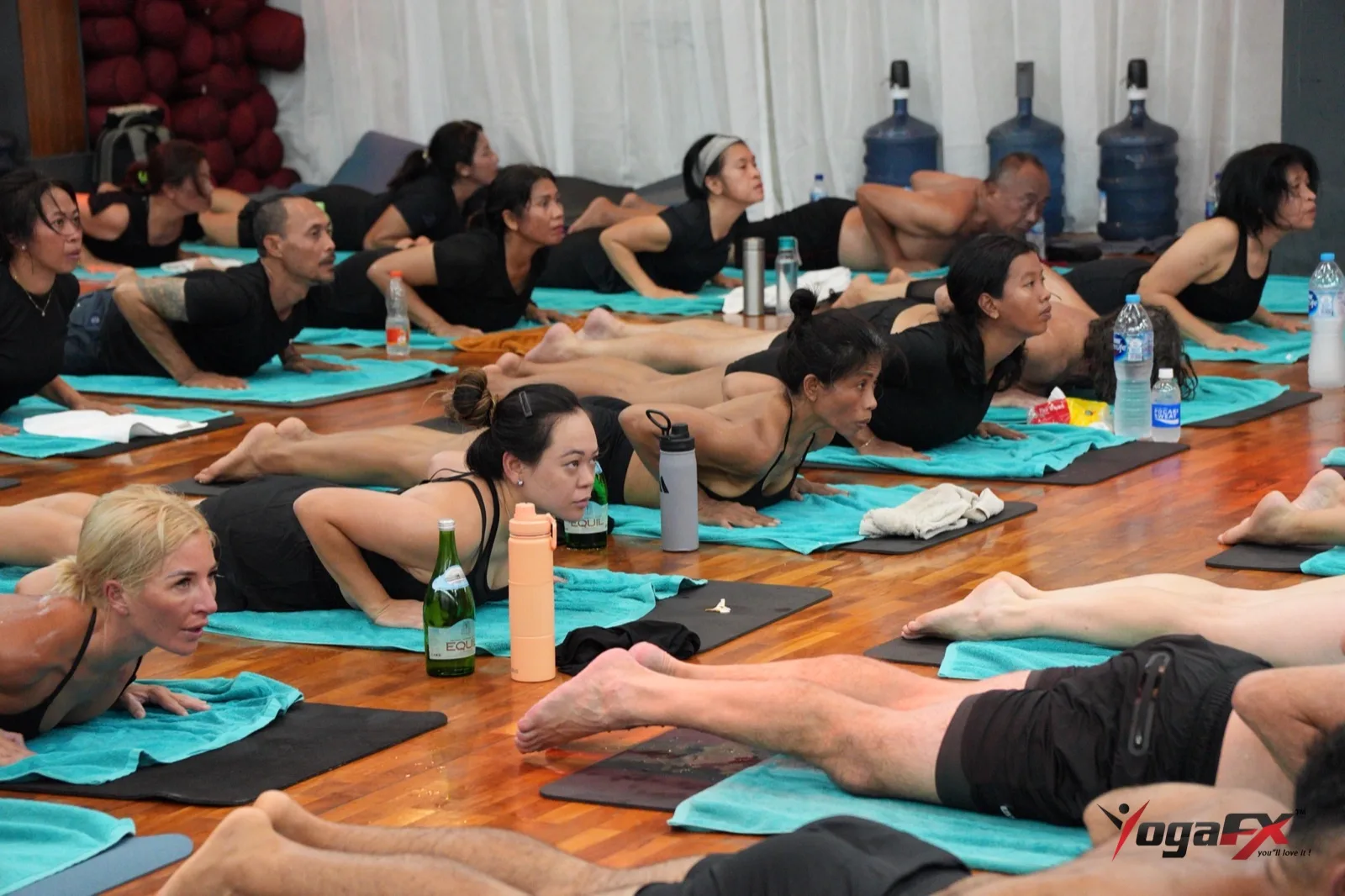
Pick one test and repeat it each week, because yoga for footballers only works if you can see it working.
A seated forward fold, or how far your straight leg lifts while you lie on your back, works well. Write the number down. After four weeks, your own notes will tell you more than any article. If a posture hurts, stop and ask a physio or a qualified teacher for a change.
Some players also want strength gains alongside flexibility. Our guide on whether hot yoga builds muscle covers what controlled trials found, and it is honest about the limits.
A Season Calendar for Yoga for Footballers
Football changes through the year, so your yoga for footballers should change too. This calendar is practical guidance from our teaching, not a research protocol.
- Pre-season. Build the habit with two home sessions a week. Add one heated class only if you tolerate heat well.
- In-season. Keep it short. One or two 12-minute routines, placed on rest days or the day after a match.
- Off-season. Use the quiet weeks to learn the full series, and to work on the range your body lost during the season.
- Returning from injury. Ask your physio first. Start with breathing and gentle postures, and add range slowly.
A few players ask whether yoga or Pilates suits footballers better. We found no head-to-head trial in football, so we will not pick a winner. Choose the one you will actually repeat each week, and judge it by how your legs feel on the pitch.
Across all four phases, the rule for yoga for footballers is the same. Strength work and your coach's plan come first, and yoga fills the gaps in range, balance and recovery. A calm, regular habit beats a heroic stretching session the night before a game.
What Teacher Training Graduates Say About Hard Training
These reviews come from YogaFX teacher training graduates, not footballers. Still, they describe what any athlete needs from a practice: patient guidance, and a hard stretch you stay with.
“Mr. Ian's YogaFX program was the most impactful and unforgettable experience of my life.”
Greta, Yoga Alliance review, 2026
Sophie said in her 2026 video review that she was proud she trusted herself to come. She also said the classes were harder than anything she had tried before.
“absolutely love the whole experience with everyone”
Lisa, YouTube review, 2026 (excerpt)
How Mr. Ian Terry Teaches Original Hot 26&2 Yoga
Through YogaFX, Mr. Ian Terry has trained more than 1,500 graduates from 80+ countries.
His classes use a scripted dialogue with no music and no demonstration. The voice guides you, so you match the effort to your own legs on the day. That suits footballers, who tend to push too hard too early. In yoga for footballers, learning to back off is a skill, and the script helps you practise it.
If you want a weekly plan built around evening training and weekend matches, read this schedule for players who train after work on our sister site.
Some players enjoy the practice enough to teach it. If that sounds like you, see how online yoga teacher training works around a full-time job, and check the YogaFX online course details with Mr. Ian before you commit.
FAQ: Yoga for Footballers
Is yoga good for footballers?
Yes, as a supporting habit. Yoga can improve hip and hamstring range, balance and breathing. It does not replace strength training, and no trial shows that it prevents football injuries. Keep sessions short, two or three a week, and avoid deep stretching close to a match.
Do football players do yoga?
Some do, and the habit is not new. Ryan Giggs told FT Magazine that yoga helped extend his career, and he told Gazzetta dello Sport it gave him flexibility and strength to train daily. Clubs rarely publish their data, so treat these player stories as personal accounts, not proof.
Does yoga help football players with hamstring injuries?
It may help range of movement, but the strongest injury evidence is for eccentric strength work. A Danish trial of 942 players found fewer acute hamstring injuries with added eccentric exercise. Use yoga beside that work, and see a physio for any current strain.
Is yoga good for soccer players who train hard?
Yes, if you place it well. Use gentle sessions on rest days or after matches, and keep heated classes away from the day before a game. Count a hot class as a moderate session. Check with your doctor if you have heart or heat concerns.
How often should footballers do yoga?
Two or three short sessions a week is a sensible start. The 12-minute routine above takes under half an hour a week. Add a heated class only in quiet weeks, and stop any posture that causes sharp pain or a pulling feeling in the groin. Rest days and post-match days are the best slots.
Still have questions? Message Mr. Ian and the YogaFX team on WhatsApp and we will answer them personally. Always consult a healthcare professional or your club physio before starting a new routine, especially a heated one.