
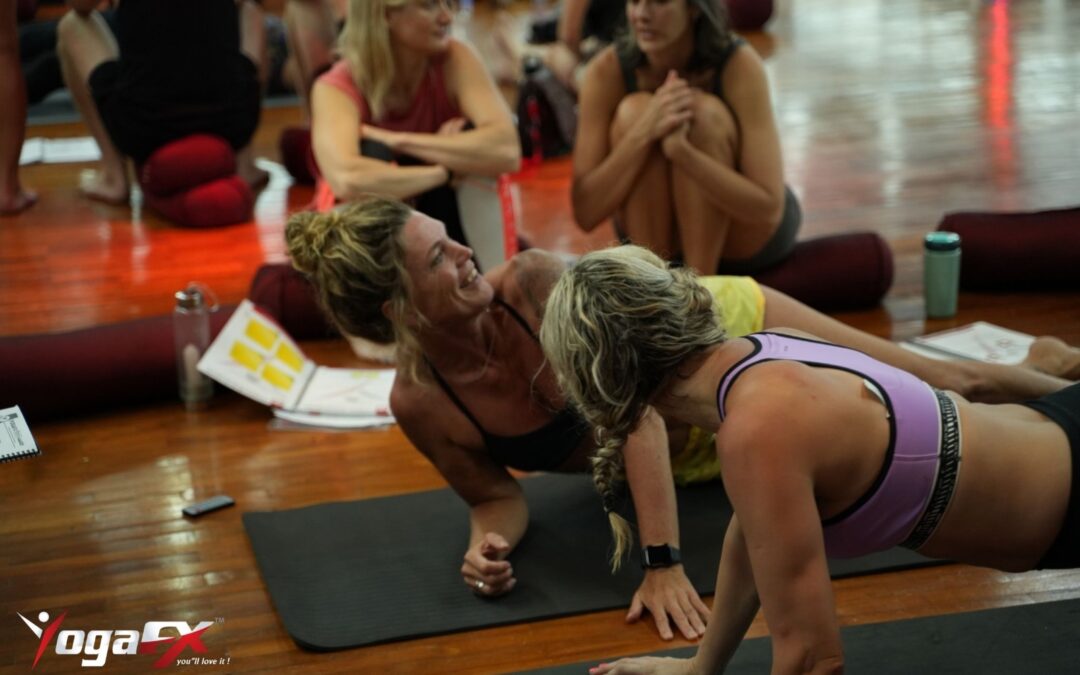
Hot yoga for runners works best as a moderate session on an easy or rest day, not as a bonus on top of hard training. A 90-minute heated class keeps your heart working, so count it in your plan like a steady run. Keep it away from key workouts, hydrate early, and start with one class a week.
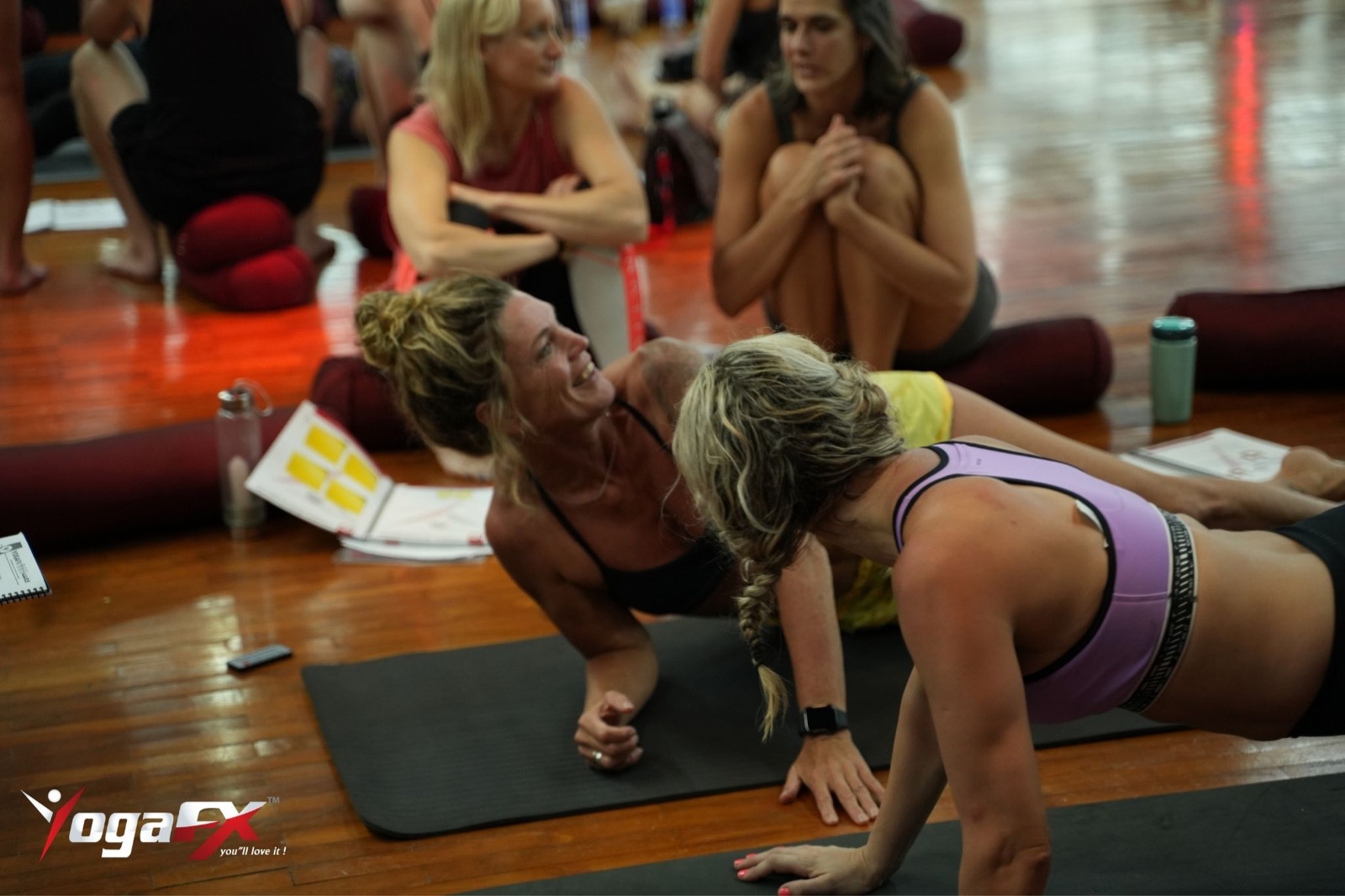
Hot Yoga for Runners Through the 80/20 Lens
Most runners ask whether hot yoga for runners will help or hurt. The better question is where it sits in your week. Endurance research gives you a useful map for that.
Stephen Seiler reviewed how elite endurance athletes train, in the International Journal of Sports Physiology and Performance (2010). Those athletes trained 10 to 13 times a week. About 80% of their sessions were low intensity, and about 20% were high-intensity work, such as intervals at roughly 90% of VO2max. You can read the abstract on PubMed.
That split describes what strong athletes do. It does not guarantee a fast time. Still, it gives you a language for hot yoga for runners: easy sessions stay easy, and hard sessions stay hard. A class has to fit one of those boxes, or it blurs the whole week.
Where a heated class lands
We teach the Original Hot 26&2 sequence in a 40°C room with 40% humidity, and a class runs 90 minutes. The movement is slow, yet the heat keeps your heart rate up. So a class does not belong in the easy box, and it is not a hard session either. Treat hot yoga for runners as a moderate session, and plan around it.
| Session type | What it feels like | Share in Seiler's review | Where hot yoga for runners fits |
|---|---|---|---|
| Easy run or rest-day mobility | You can speak in full sentences | About 80% of sessions | A short home session fits here. A heated class fits only if you recover well from it. |
| Intervals or hill repeats | Hard breathing in short blocks | About 20% of sessions | Keep hot yoga for runners away from these days, so the work stays sharp. |
| Heated 90-minute class | Steady effort, heavy sweat, heart rate up | Not measured in the review | Count it as moderate. One class a week is a safe test. |
What the Research Says About Heat and Intensity
A 2007 trial by Helgerud and colleagues, published in Medicine and Science in Sports and Exercise, compared aerobic interval training with moderate-intensity training. It reported larger VO2max gains from the intervals. Put the two papers together and a pattern appears: intervals build aerobic power, while most of your volume stays easy.
Neither paper tested yoga. So hot yoga for runners is a question of fit, not a performance promise. Seiler also noted that studies of adding more high-intensity work to already well-trained athletes show no convincing long-term gain. That means a heated class should never become one more hard day.
What the studies cannot tell you
We found no trial that tested heated yoga against race times, and claims about injury prevention are still unproven. Research suggests, it does not prove. If you have a heart condition, low blood pressure or a history of heat illness, check with your doctor first. Our guide on hot yoga and heart health lists what to ask.
Is Hot Yoga Good for Runners? It Depends Which Runner You Are
Is hot yoga good for runners? The honest answer changes with your training phase. Four common situations get four different answers, and the intensity model above is what separates them.
- The newer runner building a base. Most of your running is easy already, so a weekly heated class can fit well. Go slowly, because heat is the new stress here, not the posture.
- The marathon trainee in peak weeks. Your hard and long days are already heavy. Pause heated classes, and use the 12-minute home routine below instead.
- The runner coming back from a layoff. Start unheated. Add a heated class only after your easy runs feel normal again.
- The runner with tight hips or hamstrings. Regular mobility work may help, but pain is a signal. See a physiotherapist if it lasts more than a couple of weeks.
None of these is a verdict on hot yoga for runners as a whole. They are starting points, and your own log will refine them.
How to Fit Hot Yoga for Runners Into a Training Week
A schedule for hot yoga for runners is only useful if you can follow it on a tired Tuesday. These rules keep it simple.
- Leave 24 hours before a key workout. A heated class the day before intervals or a long run is the most common mistake.
- Pick your easiest day. The best slot is the day after a short, relaxed run, or a full rest day.
- Start the water the evening before. Catching up in the last hour does not work, because your stomach cannot absorb that fast.
- Cut a little mileage at first. For the first two or three weeks, trim one easy run so your total load stays steady.
- Log how your next run feels. After four weeks, your own notes beat any article.
Heart rate matters too. A class can feel gentle and still run your pulse high, as we explain in is hot yoga a cardio workout.
Signs to back off
Dizziness, a pounding headache, nausea or chills mean you leave the room. These are warning signs of overheating, not toughness tests. Sit near the door, cool down slowly, and rehydrate. If your morning pulse is clearly higher the next day, treat that day as rest.
A 12-Minute Home Post-Run Sequence
You do not need a hot room to borrow the best parts of hot yoga for runners. This short routine uses postures from the Original Hot 26&2 series. Do it in a warm room after an easy run, with a towel and water nearby. It is a mobility session, not a heated class.
| Step | Posture | Time | What a runner should feel |
|---|---|---|---|
| 1 | Standing Deep Breathing | 1 minute | Slow, full breaths bring your pulse down. |
| 2 | Half Moon (both sides) | 2 minutes | A long stretch along the sides of the trunk and hips. |
| 3 | Triangle (both sides) | 2 minutes | Lengthening in the hamstrings and inner thighs. |
| 4 | Wind Removing | 2 minutes | A gentle release in the hips and lower back. |
| 5 | Camel, shallow version | 2 minutes | Opening across the front of the hips. Skip it if your lower back complains. |
| 6 | Savasana (lying rest) | 3 minutes | Full stop. Let your breathing settle. |
Move slowly and stop at the first sharp pain. These notes are general guidance, not medical advice. If a posture aggravates an old injury, skip it or ask a qualified teacher for a modification.
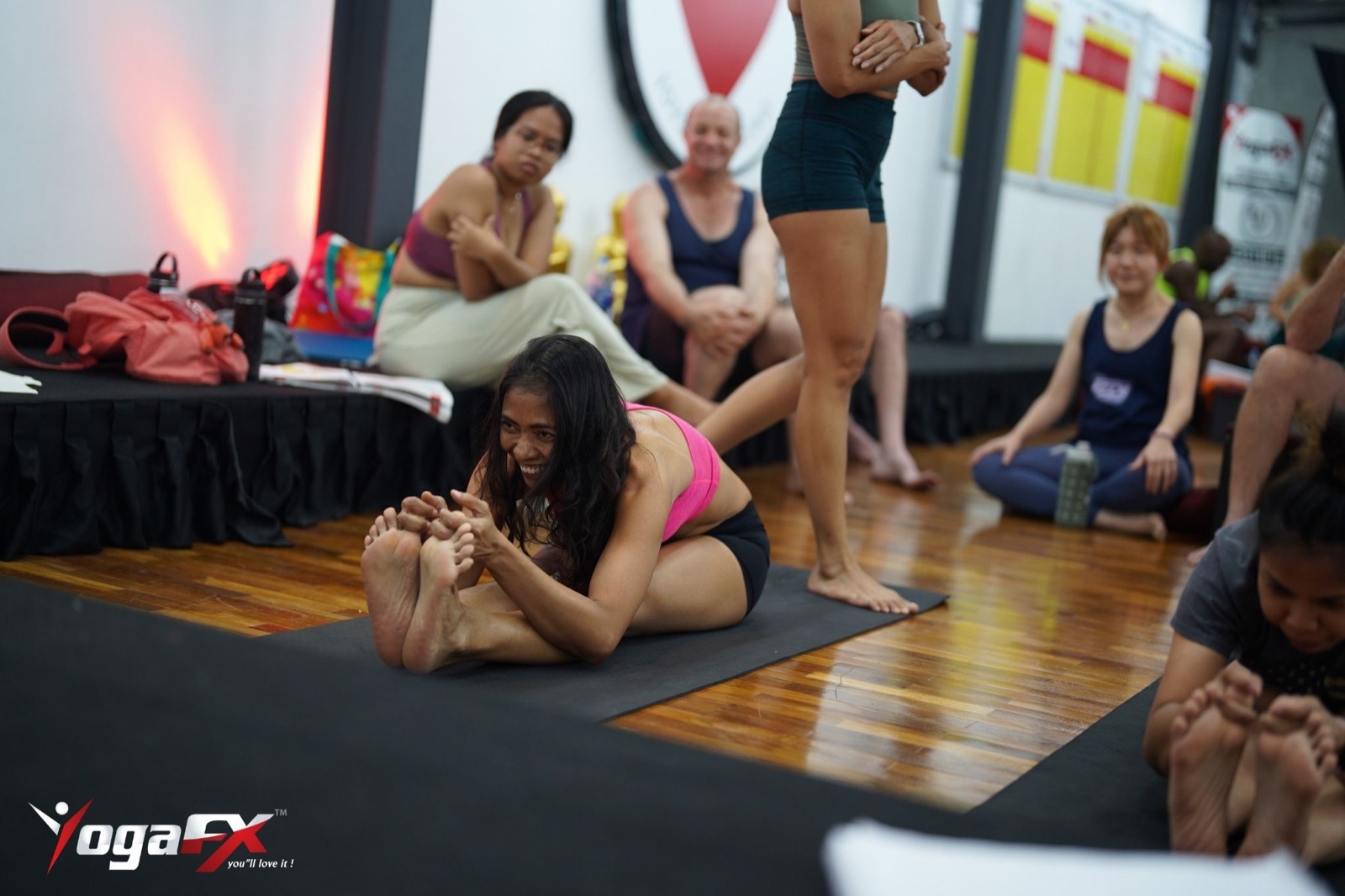
Studio class or home routine?
A studio class gives you a teacher's voice, a measured room and a clear start and end. A home routine gives you control and zero travel. For many runners, a mix works best: one class when the week allows, and the 12-minute routine on the other easy days. That mix keeps your plan flexible, and it keeps hot yoga for runners from becoming a chore.
Why this order works
Breath comes first, because a calm breath tells your body the run is over. The standing postures come next, while you are still warm. Then the floor work eases the hips. Finally, the rest at the end lets your pulse fall. That is the same order we use in class, only shorter.
A Four-Week Ramp-Up for Hot Yoga for Runners
If you decide to try a heated class, give it a month. A slow ramp lets you see how your running responds before you commit.
- Week 1: Do the 12-minute home routine twice, on easy days. No heat yet, just the postures and the breathing.
- Week 2: Take one heated class, on your easiest day. Sip water through the class and eat well afterwards.
- Week 3: Repeat the single class. Notice your next-day pulse and how your easy run feels.
- Week 4: Decide. If your legs feel good, keep one class a week. If they feel heavy, go back to the home routine.
Because the plan is slow, it works for most runners. It also teaches you something useful: how your body reacts to heat, which matters on race day in warm weather too.
Hot Yoga for Cyclists and Other Endurance Athletes
The same logic applies to hot yoga for cyclists, swimmers and triathletes. Seiler's review covered endurance athletes in general, so the 80/20 idea carries over. Keep easy days easy, protect the hard sessions, and count a heated class as moderate.
Cyclists often feel tight in the hips after long hours in the saddle, and a few of the postures above may help there. That is a practical observation, not a proven effect. As with runners, start with one class a week and keep a short log.
Common Mistakes With Hot Yoga for Runners
- Treating it as a stretching session. It is 90 minutes of work in the heat, so it counts as training.
- Stacking it on a hard day. Heat plus intervals leaves you flat for both.
- Chasing the deepest version of a posture. A tight hamstring needs patience, not force.
- Skipping salt and food afterwards. Water alone does not replace what you sweat out.
- Expecting faster times in a month. The research does not promise that, and neither do we.
Fatigue after hot yoga for runners is normal for newcomers. If you feel flat, our guide on hot yoga and cortisol explains how the body handles the stress of heat over time.
Fuel and Fluids Around Hot Yoga for Runners
Runners know how to fuel a long run. A heated class needs the same care, because you lose fluid fast in a 40°C room. Planning your food and water is part of hot yoga for runners, not an afterthought.
Before class
Drink steadily through the day, and eat a light meal two to three hours before. A heavy lunch and forward folds do not mix. Skip the hard run that morning, since even an easy long run adds to the load.
During class
Take small sips between postures instead of big gulps. Sitting or lying on the mat is part of the practice, not a failure. If it feels like a tempo run, back off the effort and keep breathing slowly. That habit makes hot yoga for runners safer.
After class
Rehydrate with water and a little salt, either in food or in an electrolyte drink. Eat within an hour, with some carbohydrate and protein for your next run. Then check your morning pulse. If it is clearly higher than normal, treat the day as rest.
What Students Say About Sticking With the Hard Parts
These reviews come from teacher training graduates, not runners. Still, they describe what any runner needs from a class: steady guidance, and a hard stretch you stay with.
“It's been training, it's been life coach, it's been therapy, it's been laughter in tears, it's been sweat.”
Mariana, YouTube review, 2023
“Awesome training experience. Ian and his team are great and the event was really well organised.”
Chris, Google review, 2024
“His effective guidance on quickly learning the dialogue, coupled with the support of his capable team, makes this training highly recommended.”
Han, Google review, 2024 (shortened)
How Mr. Ian Terry Teaches Original Hot 26&2 Yoga
Mr. Ian Terry is an E-RYT 500 teacher with more than 12,000 teaching hours. Through YogaFX, he has trained over 1,500 graduates from 80+ countries. His classes use a scripted dialogue, with no music and no demonstration. The voice does the guiding, so you match the effort to your own legs on the day.
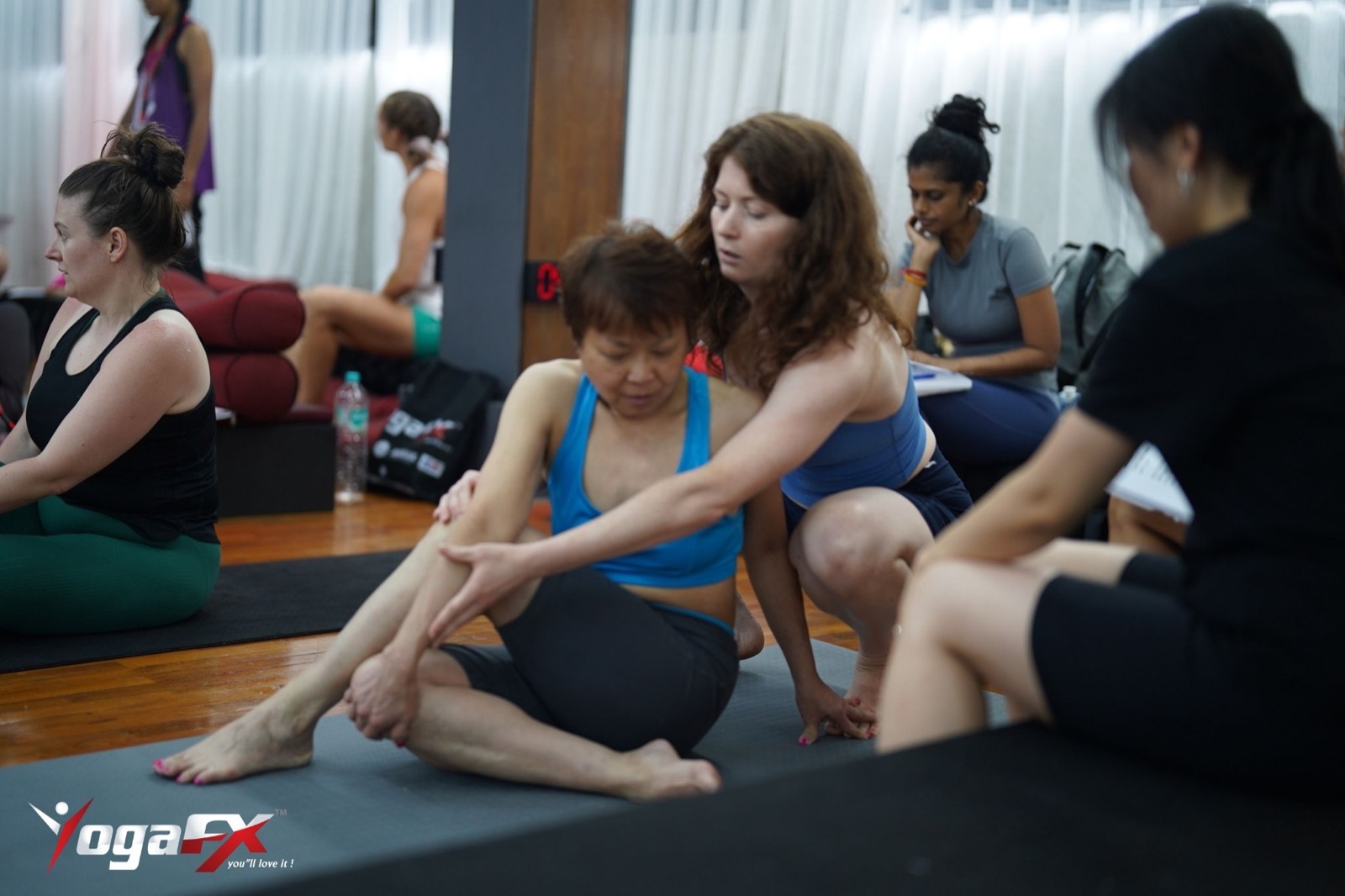
That style suits runners who love data. The same cues repeat every class, so you can track how one posture feels from week to week. For a second view on weekly scheduling, read the full runner's guide to heated classes on our sister site.
Some runners find they enjoy the practice enough to teach it. If that sounds like you, see how online yoga teacher training works around a full-time job, and check the seven checks for an online hot yoga certification before you pay for any course.
FAQ: Hot Yoga for Runners
Which type of yoga is best for runners?
The best type is the one you will actually do, at the right intensity. Gentle, unheated sessions suit easy days and recovery. A heated class suits runners who tolerate heat and treat it as a moderate session. Start with one class a week and watch how your next run feels.
Does hot yoga help with running?
It may help with hip and hamstring mobility, breath control and body awareness. No trial we found shows that it makes you faster. Research suggests, it does not prove. Treat hot yoga for runners as a supporting practice, and keep your hard runs and easy miles as the main work.
Can I do hot yoga before a run?
We do not recommend it. A 90-minute heated class leaves you warm, partly dehydrated and tired, so the run suffers. If you want to combine them, run easy first and take the class several hours later, or move the class to a separate easy day.
Is hot yoga good for marathon training?
It can fit, if you place it on easy or rest days and keep it away from long runs. Count each class as a moderate session, rehydrate well, and drop it during peak weeks if your legs feel heavy. Ask your doctor first if you have any heart or heat concerns.
Still have questions? Message Mr. Ian and the YogaFX team on WhatsApp and we will answer them personally. Start with one class, notice how your next run feels, and build from there. Always consult a healthcare professional before starting a new heated exercise routine.