
A hot yoga certification should teach you heat safety, not just postures. Research shows a 90-minute hot class can push core temperature above 103°F in some practitioners. So a teacher must read the room, set limits and spot trouble early. This guide sets out what the evidence says.
What a Hot Yoga Certification Must Teach About Heat
Most people choose a course by price, dates or style. Few ask what the school teaches about the heat itself. That's the gap that matters. You'll be responsible for a room of people whose bodies are working hard in a hot, humid space. So a good hot yoga certification starts with heat, not with posture names.
A credible hot yoga certification should leave you able to do five things:
- Explain heat physiology. You can describe how the body warms up, how it sweats, and why a fit student and a new student react differently.
- Read the room. You can see early signs of heat stress from the front of the class, not only after someone stops moving.
- Set limits. You know when to tell a student to rest, sit out a posture or leave the room for a few minutes.
- Manage water and pacing. You can guide hydration and class rhythm without turning the class into a lecture.
- Respond calmly. You have rehearsed what to do if a student feels faint, and you have done it under supervision.
None of these skills come from memorising a posture list. Instead, they come from time in a hot room with a senior trainer next to you. That's why the format of your hot yoga certification matters as much as its curriculum. If you're still choosing between formats, our guide to online yoga teacher training explains what can and cannot be learned at home.
What the Research Says About Core Temperature and Heart Rate
Teachers often say hot yoga is "safe" or "dangerous" without quoting a number. The research is more useful than either slogan. For example, here is what three sources found, and what each can and cannot tell you about hot yoga certification standards.
The American Council on Exercise Study: Core Temperature in Bikram Classes
Researchers at the University of Wisconsin-La Crosse measured 20 regular Bikram practitioners through a 90-minute class. They were 7 men and 13 women, aged 28 to 67. The study was sponsored by the American Council on Exercise. Lead author Emily Quandt and colleagues, including John Porcari, reported the results in the ACE write-up of the study.
The findings are specific. The average highest core temperature was 103.2°F for men and 102.0°F for women. Seven of the 20 people went above 103°F, and one man reached 104.1°F by the end of the class. Heart rate averaged about 80% of predicted maximum for men and 72% for women, with peaks near 92% and 85%.
The authors noted that temperatures like these can be a concern for some participants, because the risk of heat-related illness rises at 104°F. They also noted that none of the participants showed signs of heat intolerance. Both points matter. The numbers are high, yet nobody in the study became ill.
What the Numbers Show
| Measure (90-minute Bikram class) | Men | Women |
|---|---|---|
| Average highest core temperature | 103.2°F | 102.0°F |
| Average heart rate, share of predicted maximum | About 80% | About 72% |
| Peak heart rate, share of predicted maximum | About 92% | About 85% |
| Participants above 103°F | 7 of 20 people (men and women combined) | 7 of 20 people (men and women combined) |
Heat in a 90-minute hot class: the numbers a teacher should know
20
People measured
Regular practitioners, 7 men and 13 women, aged 28 to 67.
103.2°F
Men, average peak
Average highest core temperature for the men in the study.
102.0°F
Women, average peak
Average highest core temperature for the women.
7 of 20
Above 103°F
Seven participants passed 103°F at some point in class.
104°F
The caution line
Risk of heat-related illness rises here, say the authors.
A Thesis That Found No Difference Between Hot and Basic Yoga
Not every result points the same way. A 2013 master's thesis at the same university compared a 60-minute basic yoga class with a 60-minute hot class. The postures were identical, and twenty people took part. The thesis by Ashley Nereng, titled Heart rate and core temperature responses during basic yoga compared to hot yoga, reports no significant difference in heart rate or core temperature. Its author concluded that hot yoga did not produce unsafe responses.
Why the gap? The classes were shorter, the postures sat inside a 40-minute exercise block, and the people were different. A thesis isn't a peer-reviewed paper either. So it adds a data point, but it doesn't cancel the larger numbers above. Any hot yoga certification should teach you to hold both findings at once. Most healthy practitioners cope well, but some will run hot.
The 2025 Systematic Review: Benefits Are Real, but Caution Is Advised
A 2025 review of hot yoga research looked at more than 40 studies and over 900 participants. Its abstract, published by the Physiological Society, says acute hot yoga raises body temperature and heart rate. It does not raise energy demand compared with non-heated yoga. It also says caution is advised, given various case reports of ill health.
The same abstract states that claims of greater benefits than other yoga styles are, for now, unsubstantiated. That's a good habit to copy. When you teach, don't claim hot yoga does more than it can prove. Say what the research shows, say what it doesn't show, and send anyone with a medical condition to a healthcare professional first.
Research on the benefits is growing too. A 2025 systematic review (Willmott et al.) linked the 26-posture practice with flexibility and well-being.
A Harvard-affiliated trial at Massachusetts General Hospital also found that 59% of participants in heated yoga had their depression symptoms drop by half or more over 8 weeks, compared with 6% on a waitlist (Nyer et al., 2023, Journal of Clinical Psychiatry). These are findings about the practice, not promises for every student, and any hot yoga certification should teach you to say so.
Reading Heat Stress in a Real Class
Numbers on a page are one thing. A teacher needs to see heat stress on a living person, in real time, from the front of a room. So here is what experienced trainers look for.
Early Warning Signs
- Dizziness or unsteadiness when a student comes up from a forward bend.
- Nausea or a headache that was not there at the start of class.
- Confusion or a blank stare, where a student stops following the dialogue.
- Skin that goes very pale or very flushed, or sweating that suddenly stops.
- Fighting the breath, where a student gasps or cannot recover between postures.
These signs are common in heat illness guidance, and they explain why the ACE authors flagged 104°F as a concern. They aren't a diagnosis. If a student looks unwell, your job is to slow the class, offer a rest and, where needed, get help.
What a Teacher Does Next
- Tell the student, in a calm voice, to sit or lie down. Do not make them finish the posture.
- Move them to the coolest part of the room, or out of the room if they ask.
- Offer water in small sips, and keep the rest of the class moving so nobody feels watched.
- If symptoms do not ease quickly, stop the class and call for medical help.
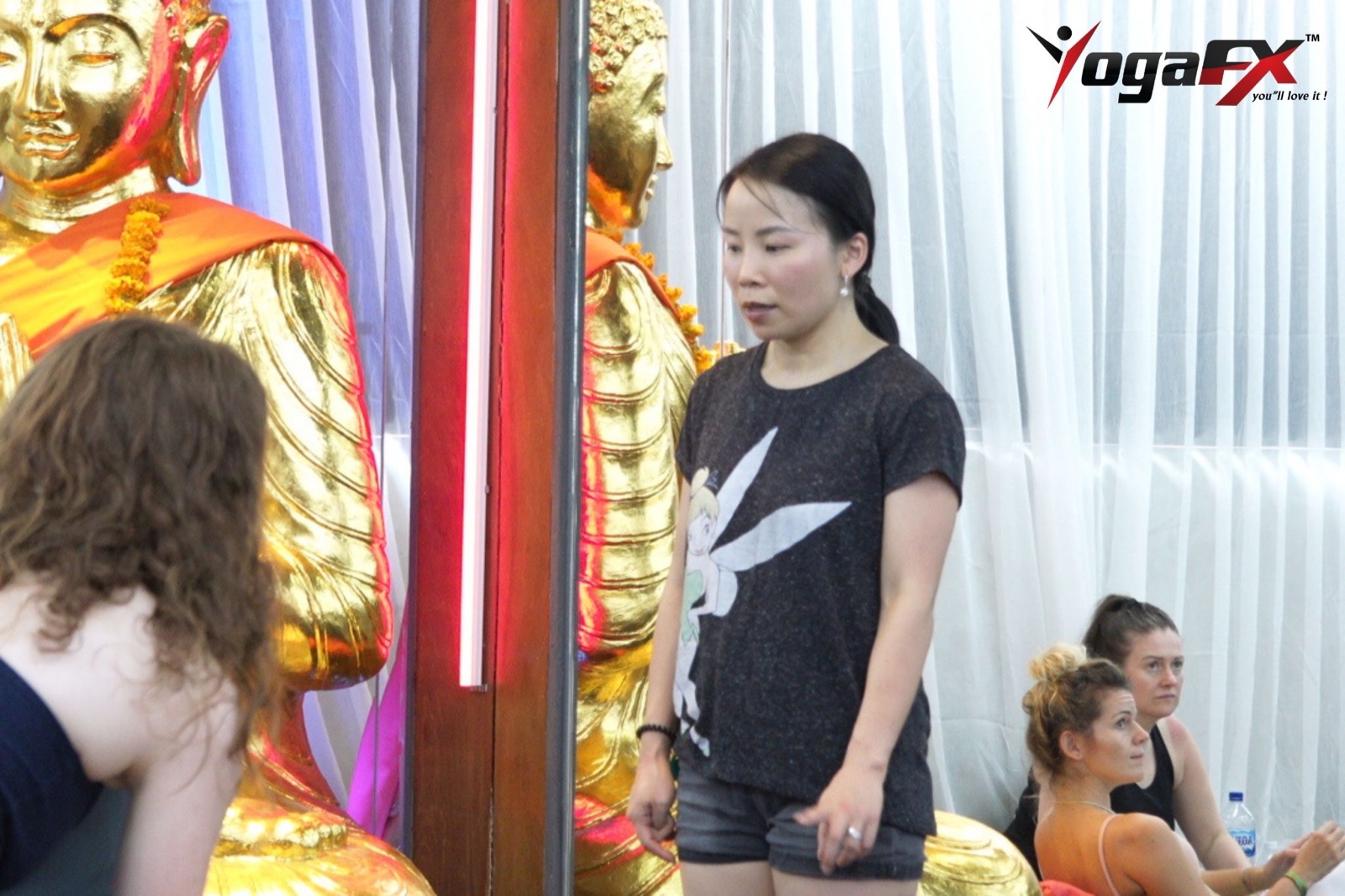
You can't learn this from a video. You learn it by standing in a hot room, watching real students, and having a senior trainer tell you what you missed. That's why a good hot yoga instructor certification includes a supervised practicum, not just lectures.
How a Hot Yoga Teacher Certification Should Train You for Heat
Yoga Alliance sets minimum hours for the core subjects of a 200-hour course, and heat safety can sit inside those areas. A good school shows it in anatomy and physiology, teaching method and the practicum of its hot yoga teacher certification. Our guide to how online hours are counted for Yoga Alliance shows how the hours split up.
Questions to Ask Every School
When you compare schools, ask how each one covers heat. The table below turns that into questions you can email before you pay for a hot yoga certification.
| Question to ask | A good answer | A red flag |
|---|---|---|
| Which hours cover heat physiology? | Names the module, the trainer and the hours | "It is part of everything we do" |
| Will I teach in a heated room before I graduate? | Yes, with feedback from a senior trainer | Only online, or only in an unheated room |
| What do you teach about warning signs? | A written protocol you can read | No protocol, or "we have never had a problem" |
| Who leads the heat sessions? | A named E-RYT 500 trainer with years of teaching | No named trainer |
| Do you claim hot yoga beats other styles? | No, claims stay within the research | Big health claims with no sources |
One more point about format. Online study handles theory well, because you can replay a lecture on thermoregulation as often as you like. But a screen can't tell you what a hot room feels like. For most people, a hybrid hot yoga certification is the practical answer: theory goes online, and the in-person days go to practice.
For a wider look at formats and costs, this guide to the best hot yoga certifications compares the routes.
Natural Tropical Heat and What It Teaches You
Why the Climate Matters
Many studios heat their rooms with electric systems. At YogaFX, classes run in Bali's natural tropical heat, at about 40°C with 40% humidity. That doesn't make the class safer or riskier by itself. What it does is give trainees a practical lesson in how humidity changes sweat, breathing and pacing.
Mr. Ian Terry, E-RYT 500, has more than 12,000 teaching hours. He trained for five years, from 2014 to 2019, with the founder of the Original Hot 26&2 method. As a result, trainees learn to read a room by watching their students, not a thermostat.
Posture Clinics and Supervised Practice
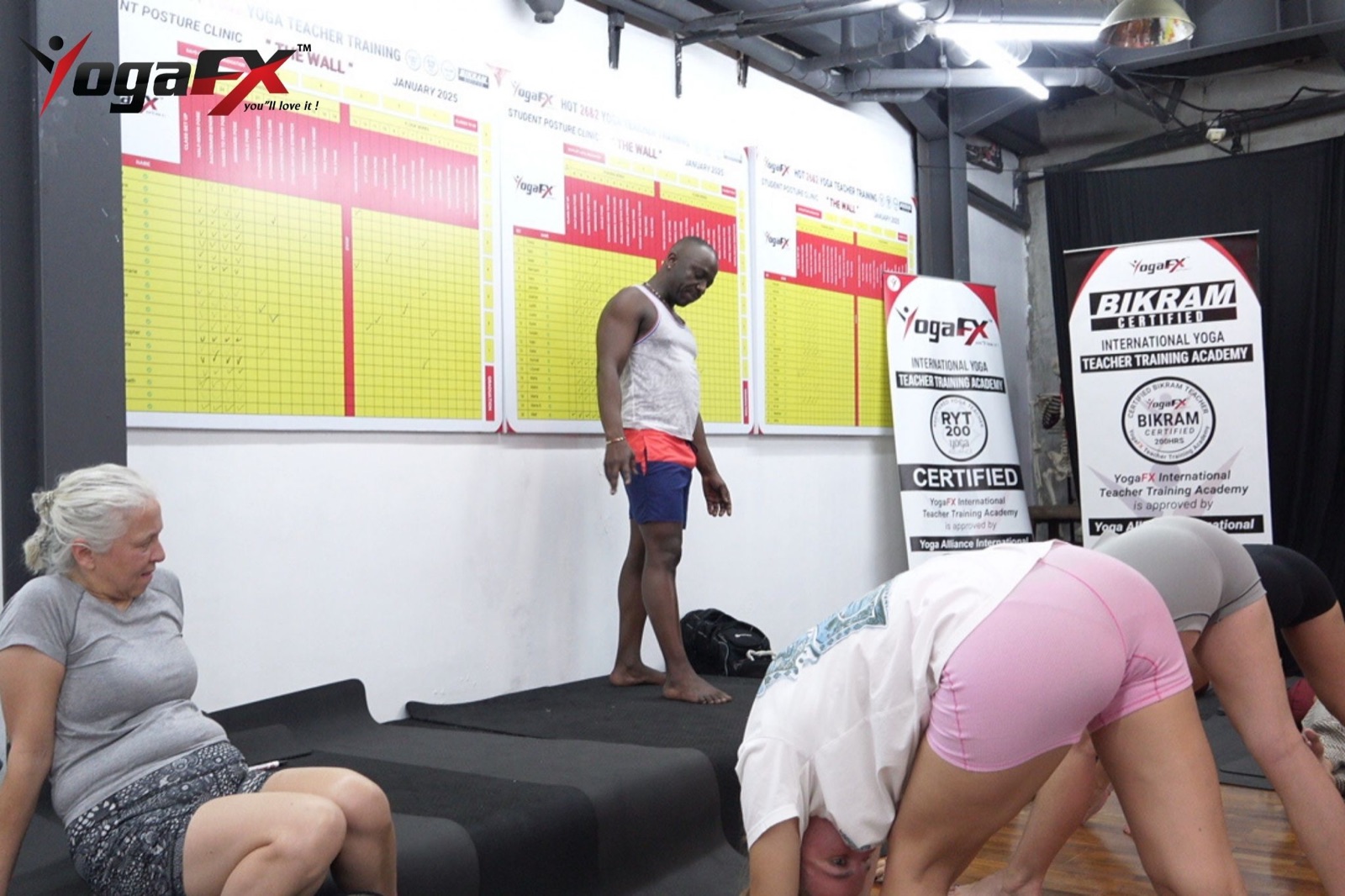
A posture clinic is where trainers watch the class while trainees give feedback, so the heat lessons stick.
Before you decide, you can read about the fixed sequence trainees study, including all 26 postures and 2 breathing exercises.
What Graduates Say About Training in the Heat
Reviews can't replace research, but they show how the training feels from the inside. These three come from YouTube testimonials recorded by YogaFX trainees.
"I know everybody had my back just like I had everybody else's back."
Marion, YouTube review, 2024
"Educational, supportive, life-changing and very realistic, no magic fairy dust."
Chelsea, YouTube review, 2019
Justin said Mr. Ian "is amazing and he's always about us and not necessarily him," then invited the whole group to give a standing ovation.
Justin, YouTube review, 2025
Those comments share one theme: support. A student who feels looked after is more likely to speak up when the heat gets too much. That habit matters just as much for the people they'll teach later.
The video below shows the practical days of the training, so you can see the group in action.
The YogaFX Path to a Hot Yoga Certification
Format and Schedule
YogaFX offers its hot yoga certification as a 6-day Bikram Hot 26&2 Yoga Teacher Training MasterClass. Theory comes first, online and at your pace. The practical part follows in person in Bali, and the Sunday-to-Friday schedule keeps time off work short.

What You Receive
- Dual certification. Graduates receive Yoga Alliance RYT 200 and a Bikram Hot 26&2 200-Hour International Yoga Certification.
- Lead trainer. Mr. Ian Terry, E-RYT 500, Master Trainer of the Republic of Indonesia Yogasana Sports Federation.
- Track record. More than 1,500 graduates from 80+ countries since 2017, and 550+ reviews across Google, Yoga Alliance and YouTube.
- Next batch. Check in Sunday 24 January 2027, check out Friday 29 January 2027, at Soham Wellness Center in Seminyak, Bali.
- Price. The Early Bird rate is US$1,899 (normally US$1,999), and interest-free instalments start from US$250 a month.
If you're weighing the cost of the course against what teaching can earn, see what the hot yoga instructor salary looks like in practice.
Please note that health claims in this article describe research findings, not guarantees. If you have a heart condition, are pregnant, or have any medical concern, consult a healthcare professional first.
FAQ
What certification do you need to be a hot yoga instructor?
Most studios ask for a 200-hour yoga teacher training from a Yoga Alliance registered school, then registration as an RYT 200. Hot yoga studios also want proof you trained in their style and learned heat safety. A dual certification, such as RYT 200 plus Bikram Hot 26&2, covers both.
Is hot yoga safe for teachers and students?
Research shows most healthy practitioners cope with hot classes, yet some reach core temperatures above 103°F. One study found 7 of 20 people did, and the authors noted heat illness risk rises at 104°F. Teachers must know the warning signs and send students with medical concerns to a doctor first.
Can you get a hot yoga certification online?
Yes, for the theory side: anatomy, philosophy and the dialogue. What a screen can't give you is live teaching practice in a heated room. That is why hybrid courses add an in-person intensive, where you lead real classes and get feedback from a senior trainer.
How do you spot heat stress in a hot yoga student?
Look for dizziness, nausea, a headache, confusion, very pale or flushed skin, or a student who can't recover their breath between postures. Slow the class, move the student to a cooler spot and offer sips of water. If symptoms don't ease quickly, stop the class and call for medical help.
Can you teach yoga without certification?
In most countries no law requires a certificate. In practice, though, nearly every studio, gym and insurer asks for a 200-hour qualification. Without one, finding work or liability cover is hard. You also won't have practised teaching in heat under supervision, which is the skill that protects your students.
Still have questions? Message Mr. Ian and the YogaFX team on WhatsApp and we will answer them personally, or go straight to the online course enrolment page. Please note that YogaFX runs independent training, not official Bikram Choudhury Teacher Training.

Founder and lead trainer of YogaFX International Yoga Teaching Academy, with more than 12,000 hours of teaching. He trained for 5 years, from 2014 to 2019, with the founder of the Bikram Hot 26&2 method.
You may also like
Explore all articles ↗ Teacher Training Guides11 min read13 Nov 2026
Sauna After Hot Yoga? What Core Temperature Data Suggests
Read article ↗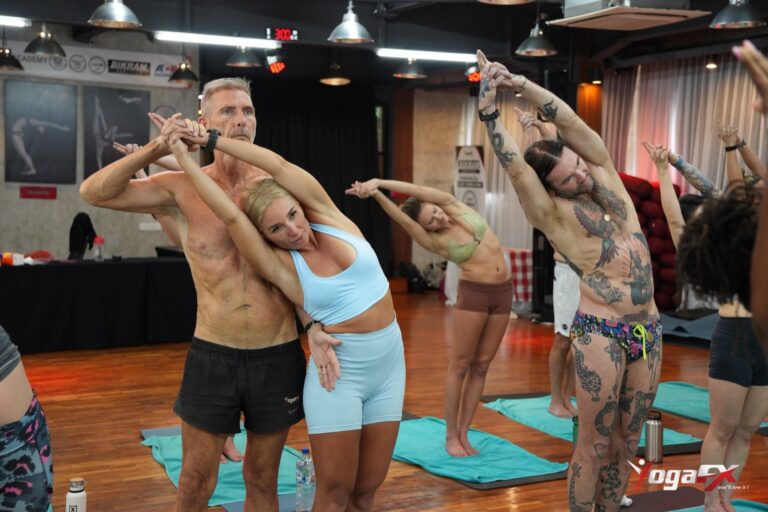 Teacher Training Guides10 min read13 Nov 2026
Hot Yoga Calories Burned: What Two Lab Studies Measured
Read article ↗ Teacher Training Guides11 min read13 Nov 2026