
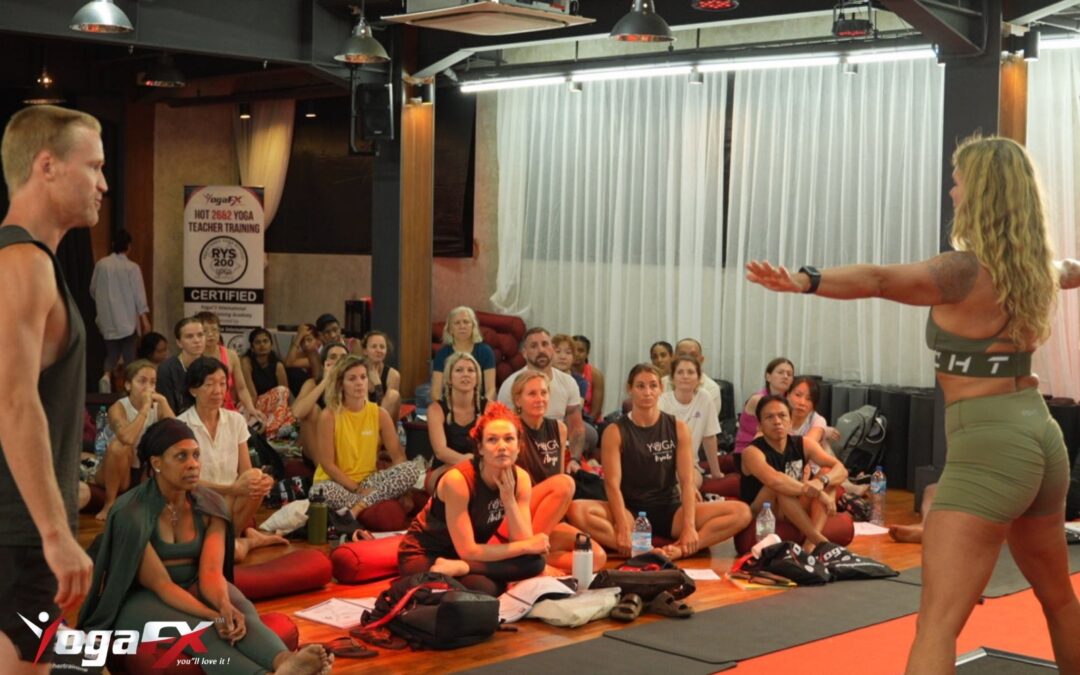
Yoga continuing education is the learning a registered teacher completes to keep a Yoga Alliance listing active. Yoga Alliance asks every Registered Yoga Teacher for 75 hours every three years: 45 teaching hours and 30 training hours. Some of that work can start at home, and this guide shows how to plan it.
Yoga Continuing Education: The 75-Hour Rule in Plain English
Most teachers hear about renewal on graduation day and forget it by the weekend. Then month 30 arrives, and they find a gap they can't close. So read the rule once, early. The Guide to the RYT Application Process from Yoga Alliance says all Registered Yoga Teachers must complete 75 hours of continuing education every three years from the date of their initial registration.
That sentence hides two details. First, the clock starts at registration, not at graduation. Second, the hours have a split. Let's take each one in turn, because both decide how you plan the three years.
The 45 and 30 split
The guide divides the 75 hours into two buckets. 45 hours are for teaching yoga. The other 30 hours are yoga training that is directly related to one of the four Educational Categories. Those categories are Techniques, Training and Practice; Anatomy and Physiology; Yoga Humanities; and Professional Essentials.
So a teacher who runs two classes a week is already building the teaching bucket. The training bucket is the one that needs a plan, because a class you teach does not fill it. That is where most yoga continuing education workshops come in.
Two traps that cost teachers hours
- Early hours do not count. The guide says training hours completed before you register do not count toward your first cycle. A workshop you took as a trainee will not help.
- Extra hours may not carry over. The guide says hours beyond the 30 training hours in one three-year period may not roll over into the next. So spreading your training evenly is safer than a single huge week at the end.
- Dates are personal. Your cycle depends on your own registration date. Two teachers in the same graduating class can have different deadlines.
Say you register in March 2027. Your first cycle then runs to March 2030. A course you finished in January 2027 sits outside it. That is why we suggest writing your registration date at the top of a notes file the day you are listed. Rules change, so don't rely on a blog post alone. Confirm the current figures in your own member account before you plan your year.
Where Your 75 Hours Come From: A Planning Table
A table makes the rule easier to plan. The first three columns come from Yoga Alliance. The last column is our own editorial view, so treat it as advice and not as a rule.
| Hour type | Hours per three years | What Yoga Alliance describes | Home-study fit (our view) |
|---|---|---|---|
| Teaching hours | 45 | Hours spent teaching yoga | Cannot be studied. Log the classes you actually teach. |
| Training hours | 30 | Training directly related to one of the four Educational Categories | Possible, but check how the hours are confirmed first. |
| Total cycle | 75 | Counted from the date of initial registration | About 25 hours a year is an easy pace to track. |
| Before registration | 0 | Training before registration does not count toward the first cycle | Study that earns a certificate is a base, not credit. |
| Extra training hours | 0 carried | Hours beyond 30 in one period may not roll over | Spread training across the three years. |
Notice the pattern in the last column. The teaching hours come from your own classroom. The training hours are the ones you shop for, so that is where quality matters most.
Can You Earn Yoga Continuing Education Online?
This is the question most readers type into Google, so here is the honest answer. We read the guide closely, and it doesn't set an online cap in the text we found. It describes entry routes for training hours instead.
- In person with a YACEP. The teacher holds the Yoga Alliance provider listing.
- Taught by someone who is not a YACEP. You confirm the teacher meets the criteria Yoga Alliance lists.
- A Yoga Alliance digital event. The guide mentions this route without further detail.
That isn't the same as saying every online course counts. It means the rules turn on who teaches and how the hours are recorded, not on whether the room is a laptop screen. So the safest move is simple. Before you pay, ask the provider how your hours will be confirmed, and compare the answer with your member account.
What is a YACEP?
A YACEP is a Yoga Alliance Continuing Education Provider. Yoga Alliance describes YACEPs as experienced yoga professionals offering advanced learning opportunities. Its page says Experienced Registered Yoga Teachers in good standing can apply, and current RYTs pay an annual fee to add the listing.
That detail matters for two reasons. If you are a student, you can ask a course provider whether they hold the listing. If you are a senior teacher, it is a route to teach other teachers. Neither is a shortcut, because the listing sits on top of years of teaching.
Questions to ask any provider before you pay
- Who is the provider? Ask for their Yoga Alliance level and their teaching hours, not only a job title.
- Which Educational Category does the course serve? A clear answer names one of the four categories.
- How are my hours confirmed? Ask for the answer in writing and keep it with your certificate.
- How much of the course is practice? Teachers learn most when someone corrects them live.
- What happens after the course? Support often goes quiet once the last session ends.
Those five questions take two minutes, and they suit any yoga continuing education course. They also work on our own courses, so ask us the same things.
Yoga Continuing Education Credits: A 25-Hour-a-Year Home Plan
Yoga continuing education credits only help if you can prove them later. A plan keeps that simple. Here is a yoga continuing education routine we would give a new graduate, built around the 45 and 30 split.
- Write down your registration date. Put it in your phone and in a notes file, with the date your cycle ends.
- Split the cycle into six-month blocks. Six blocks of 12 or 13 hours land close to 75 without a rush.
- Fill the teaching bucket first. Log every class, with date, length and venue.
- Choose training by category. Pick one of the four Educational Categories for each course, so the hours map cleanly.
- Save proof the same day. Keep the certificate or email confirmation in one folder.
- Check your member account every six months. Compare your own log with what Yoga Alliance shows.
Because the extra training hours may not roll over, aim for 30 and stop. A tidy log beats a big one. And if a provider cannot say which category a course fits, that is a sign to look elsewhere.
Your 200-Hour Home Study Is the Base, Not the Credits
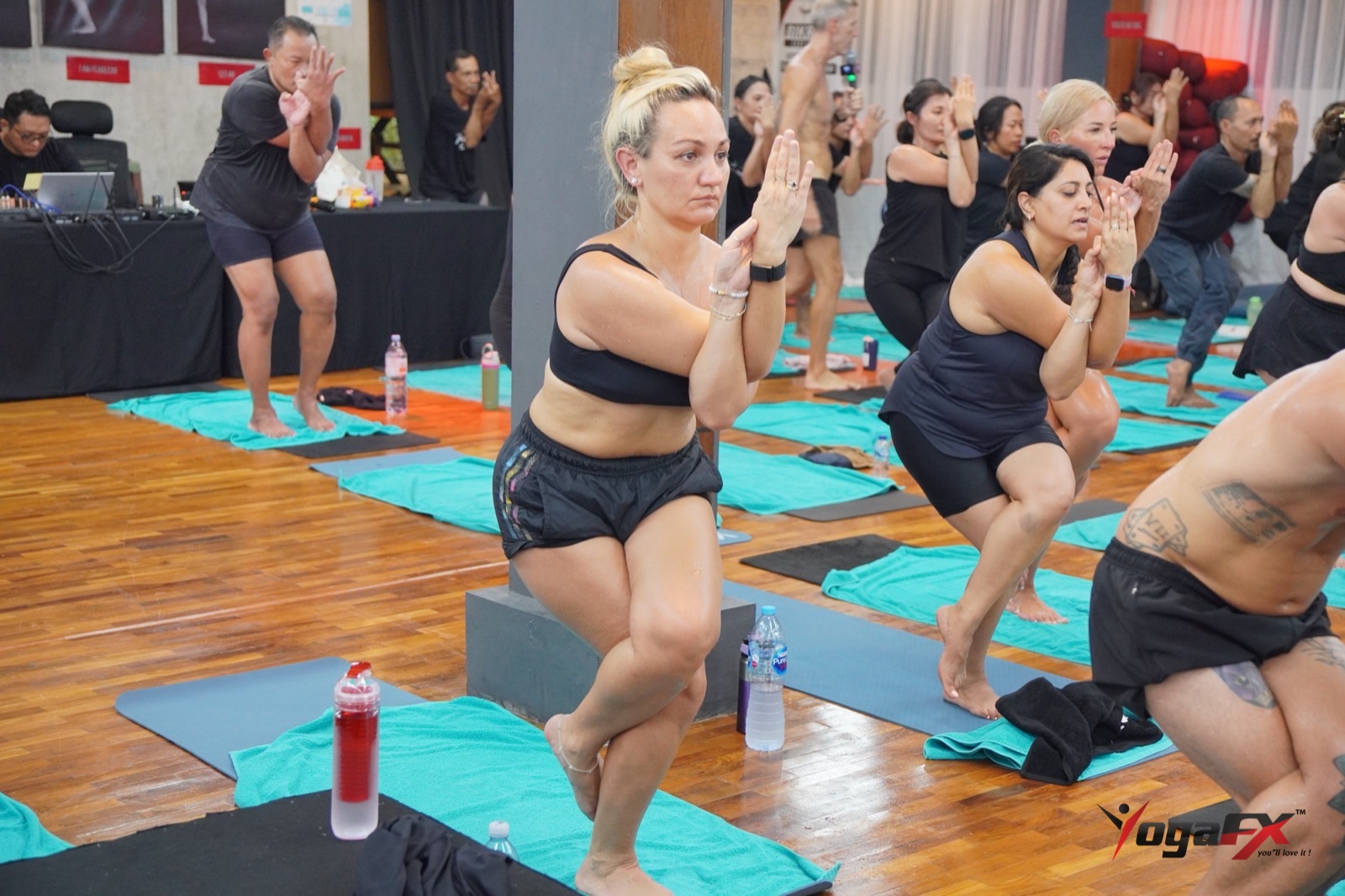
Some readers reach this page before they are teachers at all, so they ask about yoga continuing education early. For you, a clear order helps. First comes the foundation training. Then comes registration. Only after that does yoga continuing education start counting, because training before registration sits outside your first cycle. You'll want that order clear from day one.
The hot yoga teacher training online course on this site is that foundation. It is a 200-hour, self-paced program with lifetime access. It has seven modules: Standing Series, Floor Series, Anatomy and Physiology, Yoga Philosophy, Meditation, a Recorded Live Event, and an Assessment and Certificate. Each lecture comes with a quiz, and there is a dialogue workbook and MP3 audio.
We want to be careful here. The online course is a foundation, and it isn't itself a continuing education course. Its hours come before your registration, so do not plan to count them toward the 75. Ask us on WhatsApp how your own situation would work, and we will answer honestly.
The upgrade bonus for graduates
There is one extra worth knowing about. The program includes an RYT 200 and YACEP upgrade pathway. When you are ready, you can upgrade to Yoga Alliance RYT 200 or YACEP at the Bali MasterClass, and your online course fee is credited. That means the home study is not wasted money if you later want the Bali week.
If you want the week-by-week picture of studying from home, read our online yoga teacher training breakdown. If you are checking how Yoga Alliance counts online hours for a first certificate, see how online hours are counted for Yoga Alliance certification.
Yoga Continuing Education Workshops vs a Full Week: Which Fits Your Year?
Yoga continuing education workshops come in three common shapes, and they feel very different. Knowing which one you are buying saves regret later. Here is how we would compare them for a working teacher.
| Format | Typical length | Best for | Watch out for |
|---|---|---|---|
| Short workshop | A few hours to a weekend | One skill, such as cueing or sequencing | Hours may be too few to fill a whole category |
| Week-long immersion | About a week | A deep second pass with one senior teacher | Needs time off work and travel |
| Mentoring while you teach | Spread over months | Teachers already running weekly classes | Hours must still be logged and confirmed |
There is no single right answer. A teacher with a busy studio schedule may prefer short workshops spread across the year. Another may save leave for one immersion. Both routes can fill the same 30 training hours, as long as the provider confirms them.
Think about your last month of teaching. Write down the one thing that frustrated you. If a short workshop could fix it, take that route. If you keep coming back to the same problem, a longer second look at the dialogue may be worth it.
Value is personal, and we would rather you choose the smaller option than buy ours and feel flat. That honesty is part of how we handle yoga continuing education, and it is why we publish the questions above for any provider.
What Research Says About Keeping Your Own Hot Practice Alive
Yoga continuing education is not only paperwork. A teacher who stops taking classes slowly forgets what a student feels. In a University of Wisconsin study (Porcari et al., 2014), women burned about 333 calories and men about 460 in a 90-minute hot class. Heart rate averaged around 80% of maximum.
That is a real load. A teacher who has not stood through 90 minutes of heat for a year may cue too fast, or too slowly, for the students in front of them. So returning to the student seat is useful for technique, not only for credits.
The practice itself has also been studied for mood. A Massachusetts General Hospital trial (Nyer et al., 2023, Journal of Clinical Psychiatry) found that 59.3% of people in an 8-week heated yoga program cut their depression symptoms by half or more, against 6.3% on a waitlist. That is one trial, and it is not a promise for every teacher.
Both journal sites block automated checks, so we name the studies instead of linking them. Search the author names and years to read the abstracts yourself. As always, consult a healthcare professional before you train in a heated room, especially if you have a heart condition, are pregnant or take medication.
What YogaFX Graduates Say About Learning With Mr. Ian
Rules explain the hours. People explain what the hours feel like. These three voices come from the YogaFX review store, and none of them is a promise about your own result.
Sammi, Yoga Alliance review, 2022: "Excellent school and amazing, very knowledgeable, and talented teachers. Mr. Ian is an excellent educator."
Trizz, Google review, 2020: "Absolutely amazing, fun and energetic instructor! Thank you Mr Ian. The class is friendly."
Helen, YouTube review, 2024, called her training "life changing" in her graduation video. Watch it below.
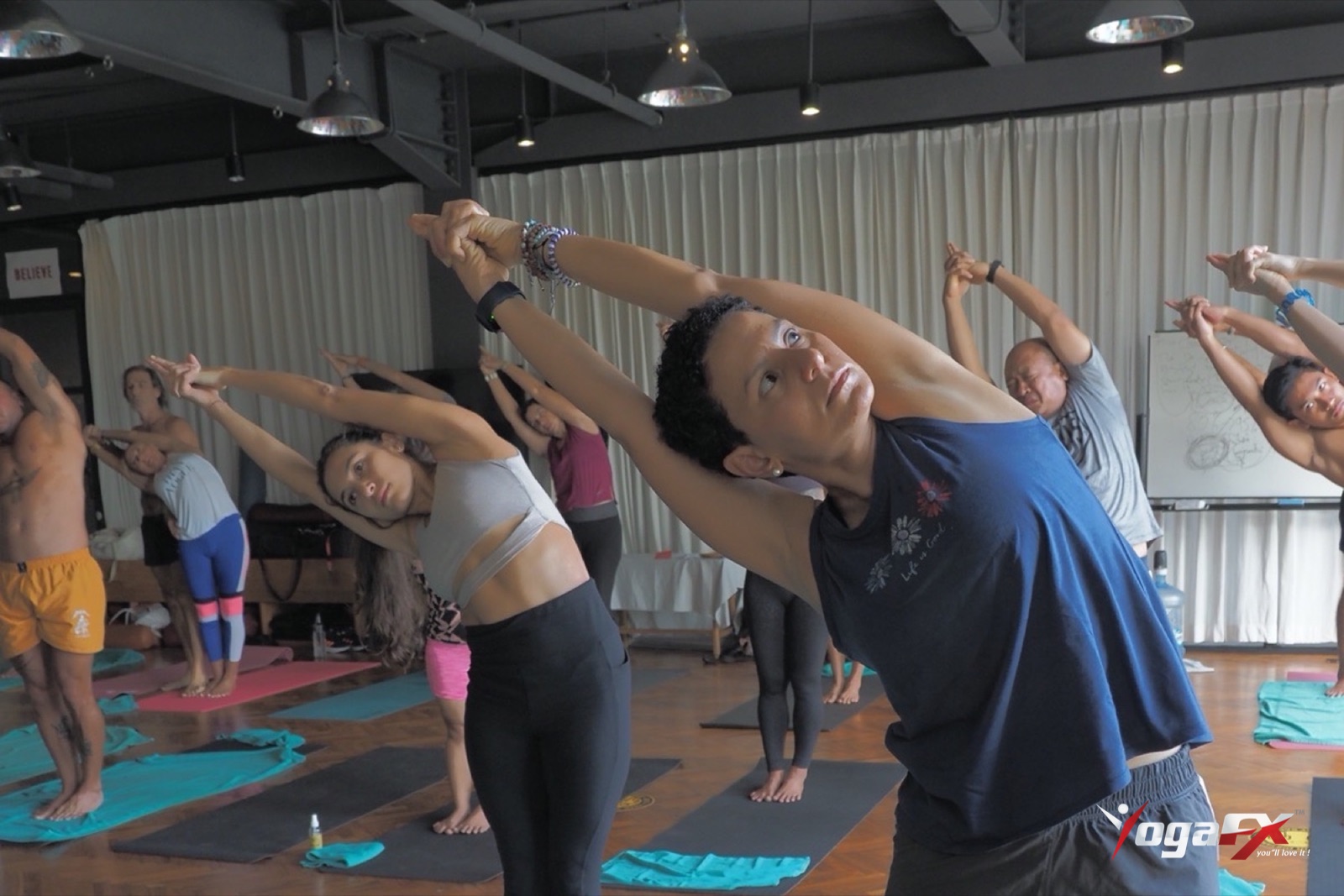
Notice what these reviewers talk about. They mention the teacher, the room and the people. That is the reason we keep our live sessions led by the head trainer and not by an assistant.
Hot Yoga Continuing Education With Mr. Ian Terry in Bali
If you want a week in the room, the YogaFX MasterClass is the path we teach. The head trainer is Mr. Ian Terry, E-RYT 500, with 12,000+ hours in front of a class. From 2014 to 2019 he studied with the founder of the Bikram Hot 26&2 method. Since 2017 his school has graduated 1,500+ teachers from 80+ countries, so he has seen many second-year questions.
The MasterClass runs for six days in a hybrid format, with online pre-course study first and an intensive in Bali second. Check-in for the next batch is Sunday 24 January 2027, and check-out is Friday 29 January 2027, at the Soham Wellness Center in Seminyak. Dates can shift, so confirm them with the team before booking flights.
- Certification. Graduates leave with the Yoga Alliance RYT 200-Hour credential and the Bikram Hot 26&2 200-Hour International Yoga Certification.
- Already certified? There is a YACEP option for teachers who hold a certificate. Ask us how it applies to your own registration.
- The class. Each class runs 90 minutes at 40 degrees Celsius and 40% humidity, with natural tropical heat, a scripted dialogue, no demonstration and no music.
For the full picture of the Bali week and graduate support in yoga continuing education, see our sister guide on returning to Bali for a senior-teacher refresher. You can also read about the in-person MasterClass on this site.
Last, keep the money side in view. A current credential supports what studios will pay you, so our hot yoga instructor salary guide shows real pay against training cost. Ready to ask a question? Message the team on WhatsApp.
FAQ
How many continuing education hours does Yoga Alliance require?
Yoga Alliance asks Registered Yoga Teachers to complete 75 hours of continuing education every three years from the date of initial registration. The guide splits this into 45 hours of teaching yoga and 30 hours of training tied to one of the four Educational Categories. Check your member account for current figures.
Can I do yoga continuing education online?
The Yoga Alliance guide describes in-person training with a YACEP, training taught by a non-YACEP who meets its criteria, and a digital event route. We found no online cap in the text. Rules vary by provider, so confirm in writing how your hours will be recorded before you pay.
What is a YACEP?
A YACEP is a Yoga Alliance Continuing Education Provider. Yoga Alliance describes YACEPs as experienced yoga professionals offering advanced learning, and Experienced Registered Yoga Teachers in good standing can apply. Current RYTs pay an annual fee to add it. Ask any provider whether they hold the listing, and check what level the teacher holds.
Does training before I register count toward my first cycle?
No. The Yoga Alliance guide says training hours completed before you register do not count toward your first continuing education cycle. Your three years run from your initial registration date, so start logging hours only after you are listed, and keep your certificates in one folder.
Can I count my 200-hour online course as continuing education?
Usually not for your first cycle, because foundation training comes before registration. The 200-hour online course on this site is the base for your certificate, not a continuing education credit. Ask the YogaFX team on WhatsApp how your own hours would work, and check your member account.
Still have questions? Message Mr. Ian and the YogaFX team on WhatsApp and we will answer them personally, including how your own hours would be counted.