
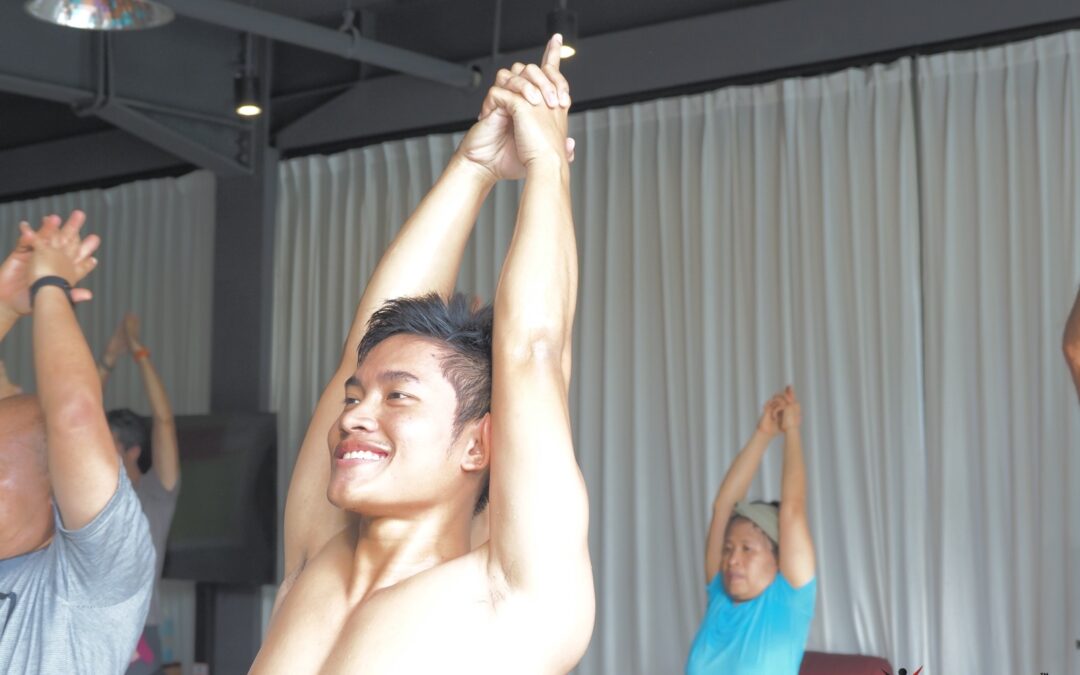
Feeling tired after hot yoga usually comes from three things stacking up. They are heat strain, a small loss of body water and a body told to rest. Studies link a loss of about 1.4% to 1.6% of body mass with more fatigue and worse mood. The same class can also lift mood, so students leave feeling opposite ways.
Mr. Ian Terry, E-RYT 500, has more than 12,000 teaching hours in heated rooms. He has watched the same 90-minute class leave one student floating and another flat on the sofa. This guide to being tired after hot yoga follows his teaching on pacing. It keeps that teaching apart from the published studies, so you can see which is which.
This is general information, not medical advice. Please consult a healthcare professional before heated classes if you have a heart condition or blood pressure problems. The same goes if you are pregnant or take medication that affects sweating or heart rate.
Tired After Hot Yoga: The Short Answer
If you are tired after hot yoga, the likeliest causes are heat, sweat and effort. Your body works to keep its core temperature steady, you lose fluid, and a 90-minute class asks for real effort. Then the closing breathing and rest tell your body to power down, and the tiredness arrives all at once.
Here is the short version of what we found when we opened the studies and health pages that matter. Where a source gave no number, we say so instead of guessing.
- Fluid loss: two lab studies from the same research group found that a loss of about 1.4% to 1.6% of body mass raised fatigue and hurt mood in healthy young adults.
- Heat strain: Mayo Clinic lists fatigue, dizziness, headache and nausea among the signs of heat exhaustion, and says to stop and rest if they appear.
- Mood: an 8-week randomised trial of heated hatha yoga found a large drop in depression scores against a waitlist, so tired and uplifted can arrive together.
- Your habits: class time, what you drank and what you ate decide a lot, and you can change all three.
For a second view, a sister site wrote up a practical guide to planning classes around your workday. This page takes the research route instead, and asks what each study really measured.
Why Some People Feel Drained and Others Feel Energised
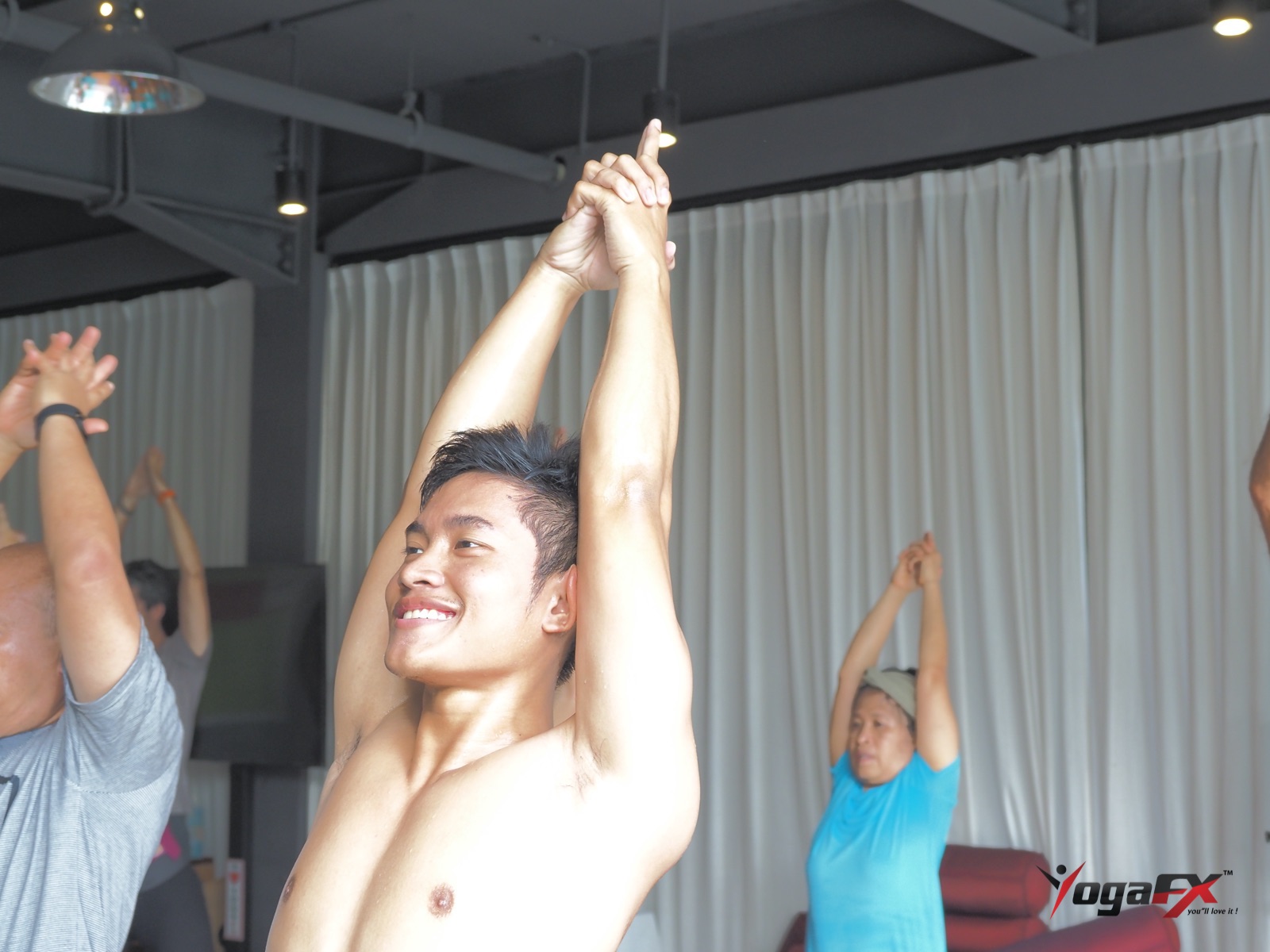
The same class can drain one person and charge another because three dials differ from student to student. Those dials are fluid lost, effort spent on cooling, and mood response. Each one has research behind it, and we take them in turn.
Dial one: water lost and feeling tired after hot yoga
The strongest evidence on being tired after hot yoga does not come from yoga at all. It comes from two lab studies. Healthy, active adults were mildly dehydrated on purpose and carefully measured.
Armstrong and colleagues published Mild dehydration affects mood in healthy young women in the Journal of Nutrition (PubMed 22190027). They tested 25 women. The average loss was 1.36% of body mass. At that level the women reported worse mood, harder tasks, more trouble concentrating and more headache.
Ganio and colleagues published Mild dehydration impairs cognitive performance and mood of men in the British Journal of Nutrition (PubMed 21736786). They tested 26 men, with a mean loss of 1.59% of body mass. The men made more errors on a vigilance task. They showed slower working memory, and they reported more fatigue at rest.
Both studies came from related research teams. They tell us about fluid loss in general. Neither tested a hot yoga class. We still find them useful, because a heated class makes that kind of small loss easy to reach.
Dial two: how hard your body worked to cool down
Heat adds a second load. The Mayo Clinic page on heat exhaustion names high temperatures, especially with high humidity, as a cause of heat illness. It also names strenuous physical activity. A standard YogaFX class runs at 40 degrees Celsius and about 40% humidity for 90 minutes. Both causes apply.
That page lists fatigue, heavy sweating, dizziness, faintness and headache as symptoms. Nausea, muscle cramps and a weak, rapid pulse are on the list too. It also says it can take several weeks for your body to adjust to hot conditions. For a new student, that adjustment period often explains why the first weeks feel the heaviest.
Dial three: how your mood responded
Then there is the other side. In 2023, Nyer and colleagues published a randomised trial of heated hatha yoga for moderate-to-severe depression in the Journal of Clinical Psychiatry (PubMed 37883245). Eighty adults were randomised and 65 were analysed, 33 in the yoga group and 32 on a waitlist.
Yoga participants attended an average of 10.3 classes over 8 weeks. The paper reports a Cohen's d of 1.04. In the yoga group, 59.3% had symptoms drop by half or more. On the waitlist, only 6.3% did. So a body that feels spent can sit beside a mood that feels lighter.
Please read that result with care. The comparison group did nothing, so the trial cannot say whether heat made the difference. It also studied adults with depression, not healthy students in the Original Hot 26&2 class. It does show that mood effects are real enough to measure. That helps explain the good feeling that arrives alongside heavy legs.
Tired After Hot Yoga or Something Else? Five Common Feelings
Not every post-class feeling means the same thing. The table below sets out five common ones, the likeliest reason, and a sensible next step. The reasons draw on the studies above and on Mayo Clinic and MedlinePlus pages. The next-step column is our teaching guidance, not a study result.
| How you feel | Likely reason | What to do next | Source or basis |
|---|---|---|---|
| Heavy, sleepy, calm | Effort, heat and the closing rest | Sip water, eat a proper meal, go to bed on time | Teaching guidance, plus heat load from Mayo Clinic |
| Foggy, flat, mild headache | Small fluid loss, linked with fatigue and headache in lab studies | Sip steadily, add a salty snack if you sweated a lot | Armstrong et al.; Ganio et al. |
| Shaky, weak, irritable | Little food before class | Eat a snack with carbohydrate and protein | Teaching guidance |
| Light, clear, a bit wired | Mood lift plus a warm body | Cool down slowly, leave a gap before sleep | Nyer et al. for mood; guidance for sleep |
| Dizzy, nauseous, confused, very hot | Possible heat illness | Stop, cool down, rest, and get medical help if it does not ease | Mayo Clinic heat exhaustion page |
Most students land in the first three rows. That kind of tired after hot yoga is ordinary, and it usually eases with water, food and sleep. The last row is different, and we cover it in the warning signs section below.
Five numbers behind the fatigue question
Tired after hot yoga: five numbers from the studies we opened
1.36%
Body mass lost, women
Average in the women's study, with worse mood and more headache.
1.59%
Body mass lost, men
Average in the men's study, with more fatigue at rest.
40°C
Mayo Clinic alarm level
A core temperature of 40°C (104°F) or higher means get help right away.
10.3
Classes attended
Average over 8 weeks in the heated yoga trial.
59.3% vs 6.3%
Mood response
Yoga group vs waitlist, symptoms down by half or more.
Heat Strain and Fatigue: Reading Your Own Signals
Heat strain is the cost of staying cool, and it is a big part of feeling tired after hot yoga. Blood moves to the skin, you sweat, and your heart works harder even in still postures. That load adds up over 90 minutes. A YogaFX class feels like a full workout even when each posture looks simple.
Mr. Ian teaches trainees to read three signals before they read anything else: skin, breath and speech. Cool, clammy skin with goose bumps in a hot room is one sign. Breathing that will not settle is another. So are slow, muddled answers to a simple question. All three mean the student should rest. Those signs line up with the Mayo Clinic list of cool, moist skin with goose bumps, faintness and confusion.
When tiredness is a warning sign
Ordinary tiredness after hot yoga feels heavy but calm. These signs are different, and they need action, not patience:
- Dizziness or fainting, in class or afterwards.
- Nausea or vomiting.
- Confusion, or being unable to drink.
- A headache that does not ease with water and rest.
- Symptoms that do not improve within one hour.
The Mayo Clinic page says to stop all activity and rest. Move somewhere cooler and drink cool water or a sports drink. It says to contact a healthcare professional if symptoms get worse or last over an hour. Get help right away if the person becomes confused, loses consciousness or cannot drink.
Fluids and Food: What the Health Pages Say
Drinking before you feel thirsty is the simplest fix we know for being tired after hot yoga. The MedlinePlus entry on dehydration lists thirst, dry mouth and darker yellow urine as signs of mild to moderate dehydration. Headache and muscle cramps are on the list too. It advises drinking more when the weather is hot or when you are exercising.
The same page says to sip water or drink fluids with electrolytes. It warns against salt tablets because they can cause serious complications. It gives no fixed number of cups, so we will not invent one. Use your urine colour and your thirst as a guide. Ask your doctor if you have a condition that affects fluids.
- Before class: drink through the day, and eat something light two to three hours before.
- During class: sip when the teacher allows, and rest in the room if you need to.
- After class: keep sipping for the next hour, then eat a proper meal with carbohydrate and protein.
The food advice is teaching guidance from our own classes, not a study result. It is what Mr. Ian tells students who arrive hungry and leave shaky, or tired after hot yoga for no clear reason.
Home Cool-Down Tips When You Are Tired After Hot Yoga
What you do in the first two hours decides whether being tired after hot yoga fades by tomorrow. These steps are teaching guidance built on the heat and fluid points above. You can do them at home with no equipment.
- Cool down slowly. A lukewarm shower is gentler than a cold blast straight after class.
- Sip, do not gulp. Small drinks over the first hour settle better than one large glass.
- Eat a real meal. Rice with eggs or lentils is an easy example of carbohydrate with protein.
- Dim the room. Soft light and no screens help the calm feeling continue.
- Leave a gap before bed. A late class leaves the body warm, so give yourself an hour or two.
If late classes keep you awake, move your practice earlier. Our guide on sauna after hot yoga covers how long to wait before a sauna.
Stress Hormones and Tiredness: Where to Read Next
Many students ask whether tiredness after class is a stress-hormone story. We cover that in our guide on whether hot yoga increases cortisol. It reads the hormone study on its own terms. For the mood side, hot yoga for depression goes through the trial data in more detail.
We do not claim that sweat removes anything from the body. None of the sources we opened tested that idea. Being tired after hot yoga is about heat, fluid and effort, not about cleansing.
If You Plan to Teach: Reading Fatigue Is Part of the Job
Students will tell you they are tired after hot yoga, and they will want to know whether it is normal. A teacher who can say what the studies found earns trust quickly. So does one who says what they did not test.
That is why we teach heat and hydration as a subject, not a setting on a dial. Mr. Ian trains teachers to say "this study found" instead of "science proves". He also trains them to spot a struggling student early. You can start at home. The online part of the YogaFX MasterClass lets you study the theory first, then practise it in Bali. If you are weighing options, see the honest 8-week breakdown of online yoga teacher training.
What YogaFX Trainees Say About the Hard Weeks
Numbers describe the research. Trainees describe what it is like to learn inside the heat, which studies cannot measure. These two comments come from video reviews recorded at the end of teacher training.
“It was the most challenging course I've ever done in my life, but I'm so thankful that I've achieved it.”
Adam, YouTube review, 2024
Atika, in a 2019 video review, said the first week was the hardest for her. By the second week she felt connected with the group and happy to teach. By the third she was sad that it was nearly over. Atika, YouTube review, 2019.

Train Online First, Then Finish in Bali
Mr. Ian Terry, E-RYT 500, trained with the founder of the Bikram Hot 26&2 method for five years, from 2014 to 2019. Since 2017, YogaFX has trained 1,500+ graduates from 80+ countries.
The YogaFX MasterClass is a 6-day hybrid. You study online first, then join an intensive in Bali. The next group checks in on Sunday 24 January 2027 and checks out on Friday 29 January 2027 at Soham Wellness Center in Seminyak.
It leads to Yoga Alliance RYT 200-Hour certification and the Bikram Hot 26&2 200-Hour International Yoga Certification. Early Bird pricing is US$1,899 (normally US$1,999), with instalments from US$250 a month and no interest. You can explore the online hot yoga teacher training here.
FAQ
Why am I so tired after hot yoga?
A 90-minute class at about 40 degrees Celsius raises heat strain. You lose fluid through sweat, and the closing rest switches you into calm mode. Lab studies link a loss of about 1.4% to 1.6% of body mass with more fatigue. Sip water early and eat a proper meal afterwards.
Is it normal to be tired after hot yoga?
Yes, mild tiredness is common, especially in the first weeks while your body adjusts. Mayo Clinic says adjusting to heat can take several weeks. Dizziness, nausea, confusion or symptoms lasting over an hour are not normal. Stop, cool down and get medical advice.
Why do I feel so good after hot yoga?
Mood often lifts after class. In a 2023 randomised trial of heated hatha yoga, 59.3% of the yoga group cut depression symptoms by half or more. On the waitlist it was 6.3%. The trial had no active comparison group, so it cannot say heat caused the lift.
Why can't I sleep after hot yoga?
A late class can leave your body warm and your mind alert at bedtime. The sources we opened gave no sleep figures, so this is teaching guidance. Leave an hour or two before bed. Take a lukewarm shower, dim the lights and try an earlier class if it keeps happening.
What should I do after hot yoga?
Sip water for the next hour, and eat a meal with carbohydrate and protein. MedlinePlus advises fluids with electrolytes when you are dehydrated and warns against salt tablets. Cool down with a lukewarm shower and avoid demanding tasks for about an hour.
Still have questions? Message Mr. Ian and the YogaFX team on WhatsApp and we will answer them personally.

Founder and lead trainer of YogaFX International Yoga Teaching Academy, with more than 12,000 hours of teaching. He trained for 5 years, from 2014 to 2019, with the founder of the Bikram Hot 26&2 method.
Published · Last reviewed and updated
You may also like
Explore all articles ↗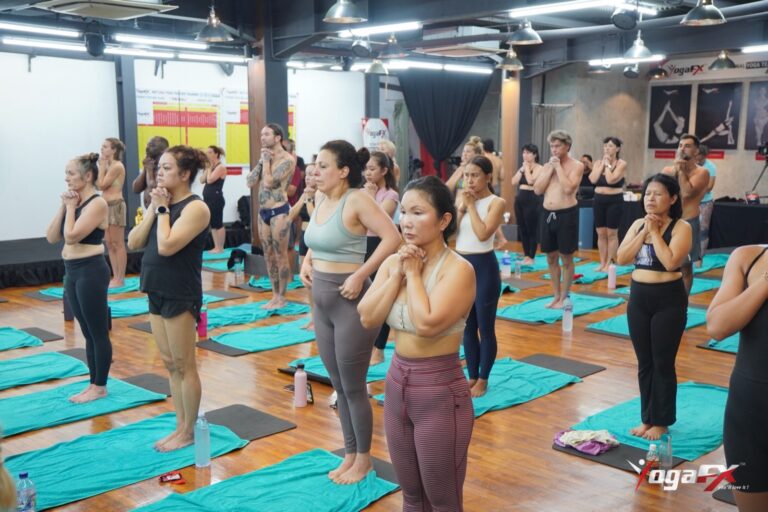 Hot Yoga Science and Benefits10 min read17 Nov 2026
Hot Yoga Depression Study: How the Harvard Trial Was Run and Measured
Read article ↗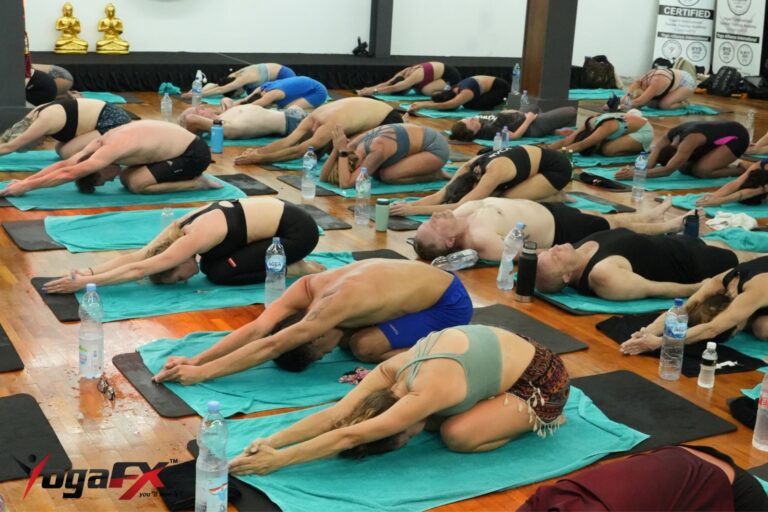 Yoga for Athletes and Yoga Sport12 min read16 Nov 2026
Celebrities Who Do Bikram Yoga: 4 Real Cases and the Science
Read article ↗ Bikram and Hot Yoga Explained12 min read16 Nov 2026