

Seasonal affective disorder yoga has no strong trial evidence of its own yet. What the research does support is the routine around it: morning light, steady sleep and wake times, and regular exercise. A fixed home practice time can carry those habits, as an addition to medical care and never a replacement.
That honest answer shapes this whole guide. We read the National Institute of Mental Health (NIMH) and NHS pages on the condition, plus guidance from Mayo Clinic and Harvard Health. Then we asked one practical question about seasonal affective disorder yoga: how can a home practice fit a routine that those sources already recommend?

What the Research Says About Seasonal Affective Disorder Yoga
Let's start with what we could not find. When we searched for a controlled trial of yoga in people with seasonal depression, we did not find one that we could confirm. So any article that promises that seasonal affective disorder yoga treats the condition is ahead of the evidence.
That does not make yoga useless in winter. It means the claim has to stay small. Here is what the sources do say, in plain words:
- Light is a main treatment. The NIMH lists light therapy first among four treatments for the condition.
- Routine matters. The NHS advises people to go to bed and wake up at the same time every day.
- Movement is advised. Both the NHS and Mayo Clinic tell people with the condition to exercise regularly.
- Yoga appears as a stress tool. Mayo Clinic names yoga, tai chi and meditation among relaxation techniques for stress management.
Put those four points together and a careful reading of seasonal affective disorder yoga emerges. For example, yoga can be one way to do the routine, the exercise and the relaxation that the sources recommend. It is not one of the treatments they list.
Why We Keep the Seasonal Affective Disorder Yoga Claim Small
A fair question is why a yoga teacher training site would write this at all. The answer is simple, because many of our students try seasonal affective disorder yoga at home through the dark months, so they often ask whether it helps their mood. Mr. Ian Terry, E-RYT 500, asks us to answer with sources, which is what we do here.
If your low mood is heavy or keeps coming back each winter, please see a doctor. A class is not a diagnosis, and this page is not medical advice.
What Seasonal Affective Disorder Actually Is
Seasonal affective disorder, or SAD, is a type of depression that follows the seasons. The NIMH says symptoms last about 4 to 5 months of the year and usually start in late fall or early winter. They fade in spring or summer.
Doctors do not diagnose it from one bad winter. According to the NIMH, depressive episodes need to appear in the same season for at least 2 consecutive years. The NHS gives the same rule: symptoms at a particular time of year for 2 years or longer.
Common Symptoms
The symptom list overlaps with other forms of depression. The NHS and NIMH pages describe these signs:
- Low mood and a loss of interest in things you used to enjoy.
- Feeling tired, sleeping more and finding it hard to wake up.
- Eating more, often with a pull toward carbohydrates (NIMH).
- Trouble concentrating, irritability or restlessness.
- Pulling away from friends and family (NIMH).
- Feelings of guilt or hopelessness, and sometimes thoughts of suicide (NHS).
If any of this sounds familiar, speak with a healthcare professional. The NHS says to see a GP if you think you might have the condition, or if treatment is not helping.
What Researchers Think Is Going On
The cause is not fully settled. The NHS says the condition is thought to be linked to reduced daylight in winter, which may affect melatonin, serotonin and the body clock. The NIMH adds that lower serotonin and higher melatonin in winter-pattern SAD can disrupt daily rhythms.
Because of that link, light and circadian timing sit at the centre of the advice on seasonal affective disorder yoga and every other self-help step.
Light, Circadian Rhythm and Mood: The Part With Evidence
Your circadian rhythm is the roughly 24-hour clock that shapes sleep, alertness and mood. According to Harvard Health, light in the morning helps synchronize that clock. The same article says an irregular rhythm can contribute to mood disorders, including seasonal affective disorder.
That is why the practical advice on seasonal affective disorder yoga and routine keeps circling back to timing. Harvard Health puts it simply: get up at the same time each day, seven days a week. As a result, this helps align your circadian rhythm with your sleep-wake cycle.
10,000 lux
Standard light box
NIMH and the NHS both describe a 10,000 lux box as the usual strength for light therapy.
30-45 min
Daily session
The NIMH says sessions usually run 30 to 45 minutes, most often first thing in the morning.
1st hour
After waking
Mayo Clinic says to sit near the light box within the first hour of waking up each day.
2 winters
To diagnose
The NIMH says episodes must appear in the same season for at least 2 consecutive years.
What Light Therapy Involves
The NIMH describes light therapy as a daily session in front of a light box rated at 10,000 lux. Mayo Clinic says it generally starts working in a few days to a few weeks. The NHS notes that a box should be UV-free and carry a UKCA or CE mark, and that light therapy is not usually available on the NHS.
That means yoga replaces none of it. A studio or a living room is not a light box, and no source we read suggests otherwise. Ask your doctor before buying a box, because some eye and skin conditions and some medicines change the advice.
Where a Practice Time Can Help
Here is the useful overlap for seasonal affective disorder yoga. If you roll out a mat at the same hour every day, you build a fixed point in your day. Because of that, the fixed point can sit next to the morning light the sources recommend. In other words, seasonal affective disorder yoga does not replace the light. It can anchor the habit.
Seasonal Affective Disorder Yoga Sources Compared: What Each One Says
The table below lines up each source with its advice. The last column is our own planning note, not a study result.
| Source | What it says | What it means for a home routine |
|---|---|---|
| NIMH | Four treatments: light therapy, psychotherapy, antidepressants and vitamin D. Light boxes run at 10,000 lux for 30 to 45 minutes. | Treatment is a medical decision. Practice time should not crowd out a light session your doctor recommends. |
| NHS | Get as much natural daylight as you can, exercise regularly and keep the same bed and wake times. | Pick a practice slot that you can repeat daily and that gets you out of bed on time. |
| Mayo Clinic | Light box within an hour of waking. Exercise regularly. Yoga is listed as a relaxation technique. | A morning slot near a bright window or a walk outside pairs well with a morning class. |
| Harvard Health | Rise at the same time seven days a week. Morning light helps synchronize the body clock. | Weekend practice at the same hour keeps the clock steady. |
How Seasonal Affective Disorder Yoga Can Fit a Fixed Home Practice Time
Now the practical side of seasonal affective disorder yoga. The sources never tell you when to practise seasonal affective disorder yoga or any other style. They tell you to keep regular times, get morning light and move your body. So the table below compares common practice slots against those three ideas.
| Practice slot | Fit with the advice | Best for | Watch out for |
|---|---|---|---|
| Early morning, near a window | Strong. Pairs wake time, movement and daylight. | People who struggle to get going in winter | Do not skip breakfast and water. Start gently. |
| Mid-morning, after a walk outside | Strong. Adds outdoor light before the practice. | People who work from home | A walk needs a free hour, so plan it ahead. |
| Lunch break | Moderate. Breaks up a long indoor day. | Office workers with a fixed lunch | Short breaks can feel rushed. |
| Late afternoon | Moderate. Gives the day a second anchor. | People who feel the slump at 4 pm | Daylight may already be fading in winter. |
| Late evening | Weaker. It does not help morning light, and bright screens can hurt sleep. | People with no other free slot | Harvard Health warns that night light and screens may worsen mood. |
A Four-Week Seasonal Affective Disorder Yoga Habit Plan
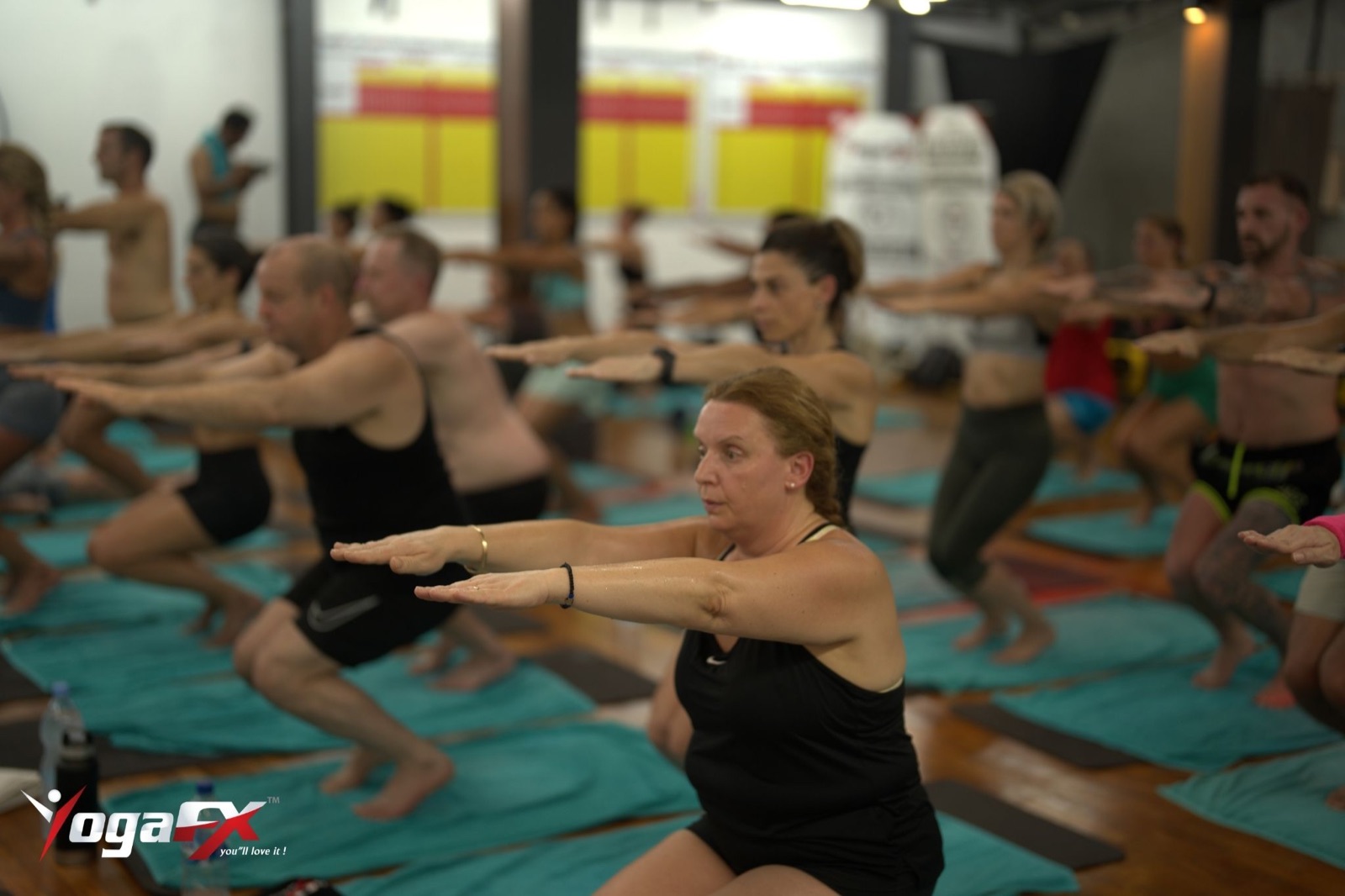
Habits stick when they start small, so this four-week seasonal affective disorder yoga plan keeps the load low. You can add it to any care plan your doctor has agreed.
- Week 1: fix the wake time. Choose one wake time and keep it all seven days. Step outside or open a curtain within the first hour.
- Week 2: add 10 minutes. Practise at the same hour, three days this week. Gentle breathing and standing postures are enough.
- Week 3: reach 20 to 30 minutes. Move to four or five days. Note your mood and energy in one line after each session.
- Week 4: review with someone. Show your notes to a friend, a teacher or your doctor. Keep what works and drop what does not.
Notice that the plan never asks for heat, because a warm room is not required to build a routine, and heat adds a risk of its own. We cover the practical side in our guide to hot yoga hydration.
What the Wider Yoga and Depression Research Shows
Seasonal affective disorder is a form of depression, so it is fair to check depression research before judging seasonal affective disorder yoga. The best-known hot yoga trial comes from Massachusetts General Hospital.
Maren Nyer and colleagues randomised 80 adults with moderate to severe depression to heated hatha yoga or a waitlist for 8 weeks. The full text is on PubMed Central.
Among the 65 people analysed, 59.3% of the yoga group had a drop of at least 50% in symptoms, against 6.3% on the waitlist. Those are real numbers, but the trial has limits. It did not study seasonal depression, and it recruited adults across the Boston area from 2017 to 2019. We walk through how it was run in our guide to the hot yoga depression study.
Why You Cannot Stretch That Result
A trial answers the question it asked, and nothing more. This one asked whether heated yoga added to usual life helped adults with depression more than waiting. It did not ask about winter, light or the body clock. So we cannot say it applies to seasonal affective disorder yoga practice, and we will not pretend it does.
For a wider look at mood research, see our summary of what researchers measured on hot yoga and mental health. Read it the same way: as early evidence, not as a promise.
Heat, Safety and Common Sense for Seasonal Affective Disorder Yoga in Winter
Many readers curious about seasonal affective disorder yoga in colder places wonder if a hot room would feel like a rescue from winter. That is an understandable thought. Still, warmth is not the same as light, and the sources above talk about light.
- Check with your doctor first if you have heart or blood pressure concerns, take medicines that affect heat tolerance, or are pregnant.
- Keep your care plan. Never stop or lower a medicine because a class feels good. Changes belong with your prescriber.
- Drink water and rest when you need to. Leave the room if you feel dizzy.
- Do not use a class instead of a light box if your doctor has suggested one.
Depression is a medical condition. If you have thoughts of suicide, contact your local emergency number at once. In the US, call or text 988. A yoga class is not a crisis tool.
Student Voices: Context, Not Evidence
Trials give averages, and students give stories. The three reviews below come from YogaFX graduates. They describe the experience of learning with us, not winter mood, and they are not evidence that yoga helps seasonal affective disorder. We share them so you can hear the people behind the practice.
"You're never too old to do anything."
Shiela, YouTube review, 2023 (lightly trimmed)

"Truly life changing experience, blessed to have had this opportunity."
Villin, Google review, 2022
"I wasn't sure if I could handle it. however the teachers, the participants all helped a lot."
Agnieszka, Google review, 2022
Learn the Practice at Home With Mr. Ian Terry and YogaFX
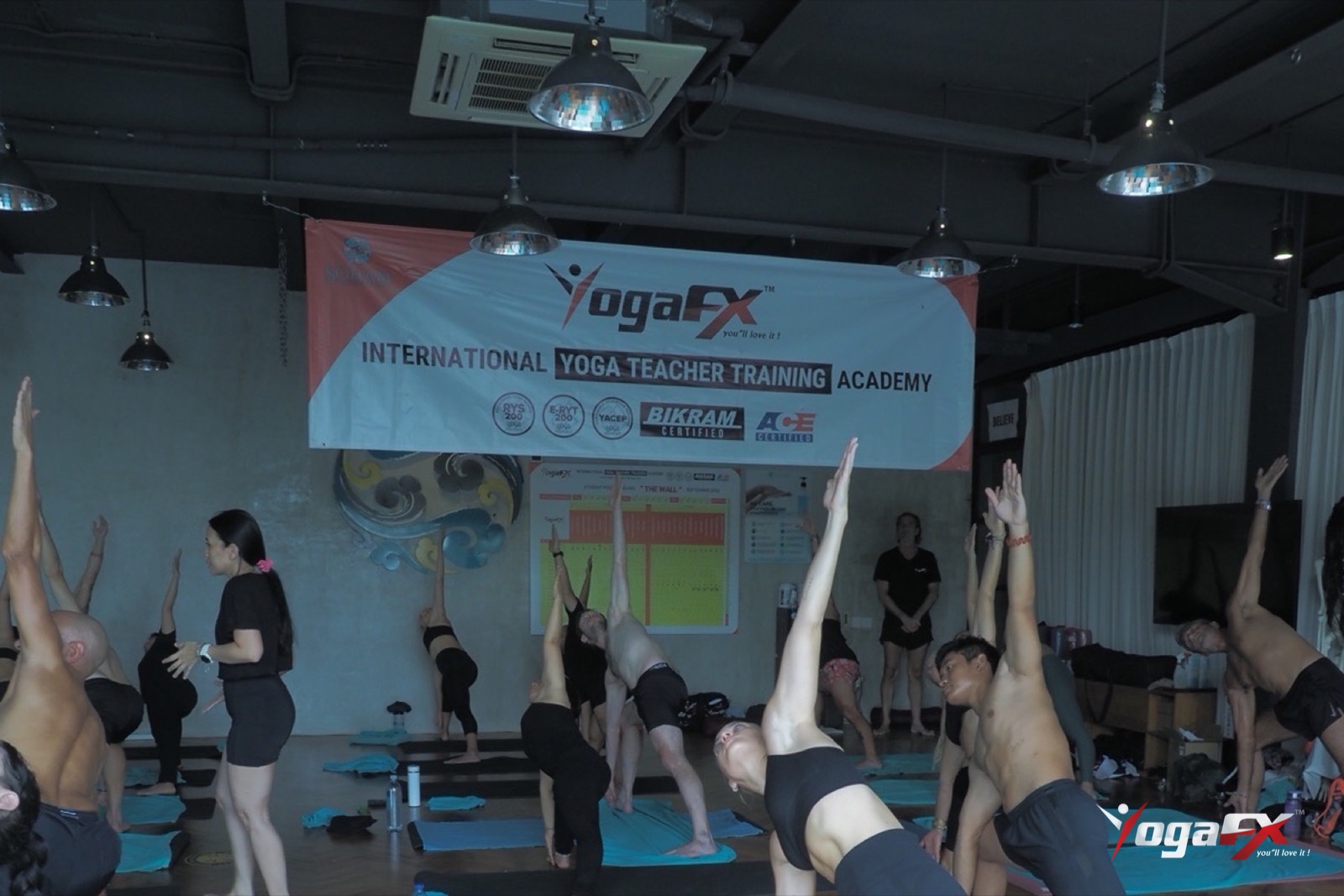
Mr. Ian Terry, E-RYT 500 and founder of YogaFX, has taught more than 12,000 hours of Original Hot 26&2 yoga. He trained for 5 years, from 2014 to 2019, with the founder of the method. Since 2017, YogaFX has trained more than 1,500 graduates from 80+ countries.
We teach students to read research on seasonal affective disorder yoga the way this page does. That means saying what a study found, what it did not, and when to say "please ask your doctor." A fixed practice time is also something we coach: a set hour, a short plan and a teacher you can message.
If you want to learn the 26&2 series on your own schedule, the online yoga teacher training course runs at home. The online course costs US$329, or 4 payments of US$82. Our Starter Kit costs US$98, or 2 payments of US$49. At YogaFX studios, class conditions are about 40°C and 40% humidity from natural tropical heat, which is a different setting from a winter living room.
FAQ
Does seasonal affective disorder yoga help symptoms?
Yoga is not listed as a treatment for seasonal affective disorder. We found no confirmed controlled trial in people with the condition. Mayo Clinic does list yoga among relaxation techniques for stress, so it may support a routine. Speak with a doctor about proven treatments such as light therapy.
Does exercise help seasonal affective disorder?
The NHS and Mayo Clinic both advise regular exercise for people with the condition, alongside daylight and a steady sleep routine. Neither source presents exercise as a stand-alone treatment, so treat it as one part of a plan. Ask your doctor how it fits with light therapy or medicine.
What is the best treatment for seasonal affective disorder?
The NIMH lists four treatments: light therapy, psychotherapy, antidepressant medicine and vitamin D, with mixed evidence for vitamin D. The NHS lists antidepressants, CBT and light therapy. The right choice depends on you, so see a GP or doctor to decide.
Is seasonal affective disorder the same as seasonal depression?
They describe the same pattern. Seasonal affective disorder is a type of depression that returns at the same time each year, usually in late fall or winter. Doctors look for episodes in the same season for at least 2 consecutive years before they diagnose it.
What time of day should I practise yoga with seasonal affective disorder?
The sources do not name a yoga time, but they stress morning light and a fixed wake time. A morning slot near a window or after a short walk fits that advice. Pick an hour you can repeat daily, and keep your doctor informed.
Still have questions? Mr. Ian and the YogaFX team answer them personally. Take the 2-minute quiz to see if you're ready to teach hot yoga, or message Mr. Ian on WhatsApp and we will point you to the right next step.
This article is general information, not medical advice. If you think you may have seasonal affective disorder or depression, please consult a healthcare professional.

Founder and lead trainer of YogaFX International Yoga Teaching Academy, with more than 12,000 hours of teaching. He trained for 5 years, from 2014 to 2019, with the founder of the Bikram Hot 26&2 method.
Published · Last reviewed and updated
You may also like
Explore all articles Hot Yoga Science and Benefits11 min read19 Nov 2026
Hot Yoga Heart Rate: What Zones Mean in a Heated Room
Read article ↗ Hot Yoga Science and Benefits13 min read19 Nov 2026
Hot Yoga Inflammation: What CRP Studies Report at Home
Read article ↗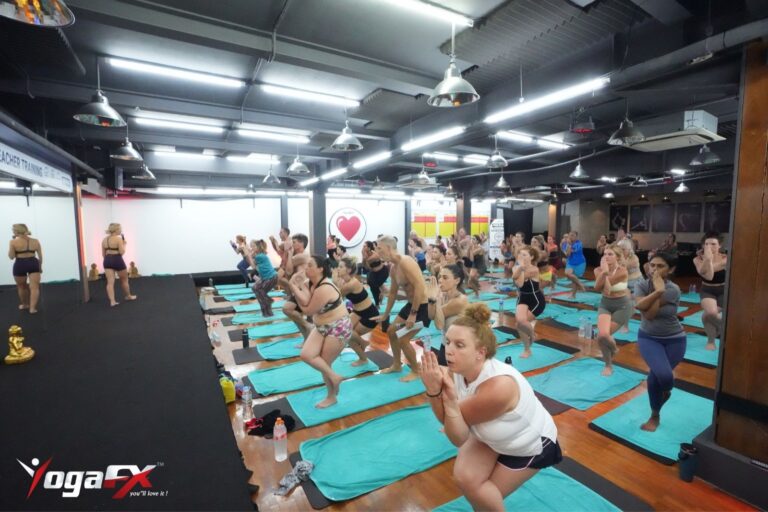 Hot Yoga Science and Benefits12 min read19 Nov 2026