
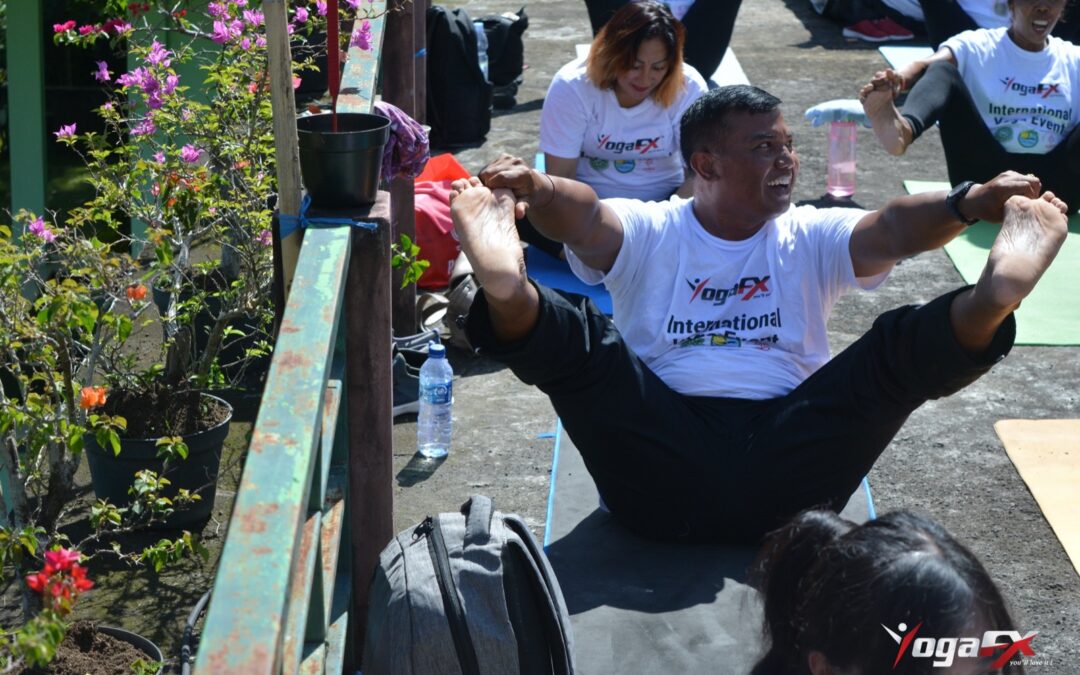
A yoga championship rewards flexibility, strength and control, and research backs each of them in part. One 8-week trial found looser hamstrings and a stronger deadlift in hot yoga students. A 2025 review of 43 studies also reported flexibility gains. No study tested champions, so use the findings as a guide, not a promise.
What a Yoga Championship Actually Measures
Athletes at a yoga championship perform postures in front of judges. The judges score how well each posture is done. A good score needs a wide range of motion, enough strength to hold the shape, and calm control while the body shakes a little.
So the useful question is not who wins. It is which physical qualities practice can change, and how we know. This guide answers it with three sources we opened and checked: one controlled trial, one systematic review and one clinic guide.
If you want the sport’s backstory first, read this history of yoga contests from Calcutta to Ahmedabad. For the scorecard itself, see how competitive yoga is scored posture by posture.
Three qualities that judges reward
- Flexibility. Deep forward folds, backbends and splits only score well when the joints allow the full shape.
- Strength. Holding a posture still for several seconds takes muscle, especially in the legs, hips and back.
- Control. Balance and steady breathing keep a posture clean when the clock is running.
The rest of this article takes flexibility and strength one at a time, because the research behind them is different.
Yoga Championship Flexibility: What the Studies Found
The 8-week hot yoga trial
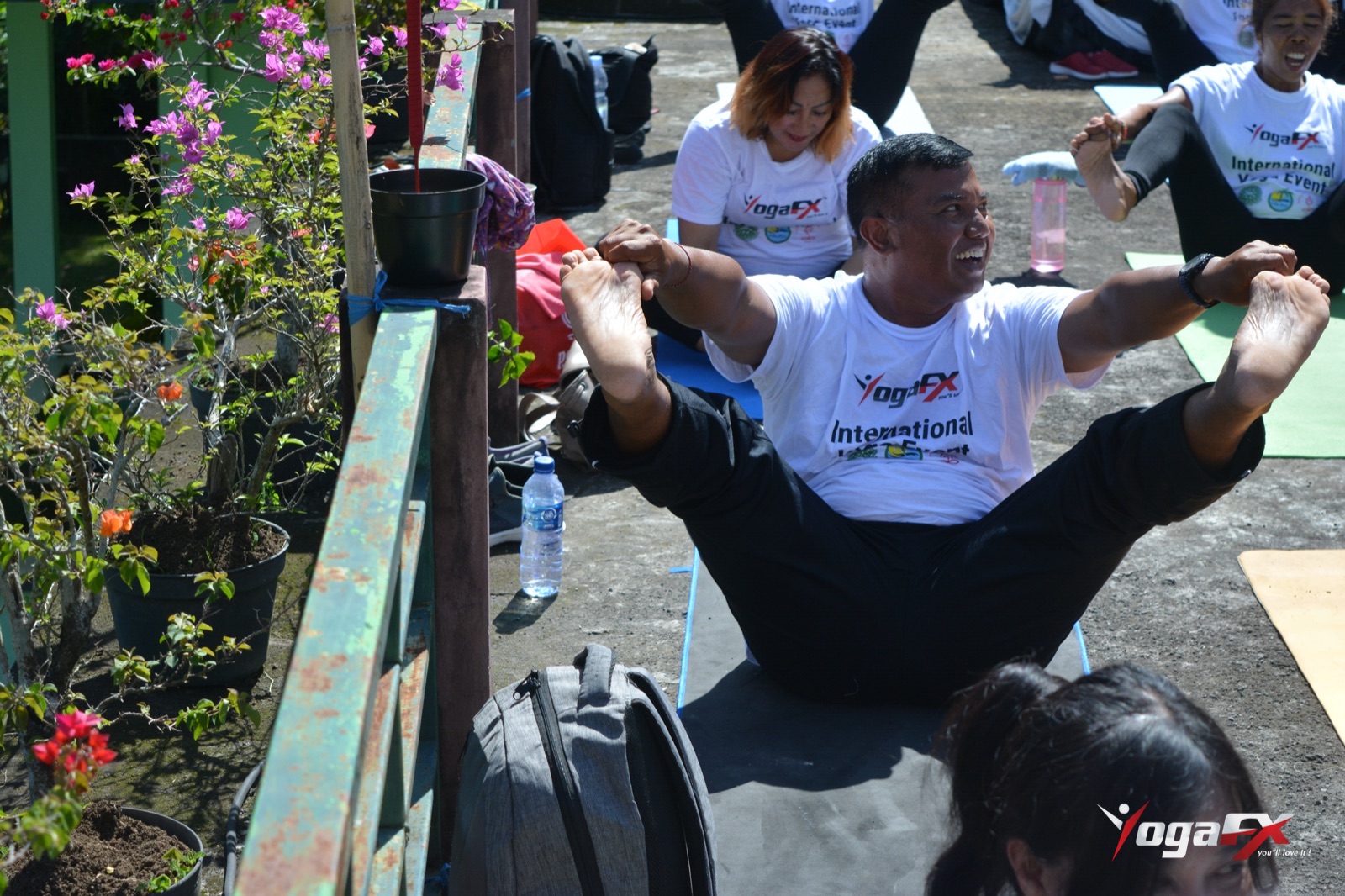
The clearest data comes from Tracy and Hart (2013), published in the Journal of Strength and Conditioning Research. Twenty-one healthy young adults took part. Ten did Bikram yoga for 8 weeks, 24 classes in total, and 11 did no training.
The yoga group improved lower back and hamstring flexibility by a large margin compared with the control group. Shoulder flexibility rose as well. The authors described these as beneficial musculoskeletal changes that matched the training.
That matters for a yoga championship, because forward folds and backbends rely on exactly those areas. It also shows how fast change can start: 24 classes in 8 weeks is about three a week.
The 2025 review of 43 studies
A bigger picture comes from the 2025 systematic review by Willmott and colleagues in Sports Medicine - Open. It pooled 43 studies and 942 participants. Most of the studies used Bikram yoga, and about three quarters of the people were women.
The review lists flexibility and balance among the functional adaptations seen with hot yoga training. It also reports changes in body composition and bone mineral density. The authors call parts of the psychological evidence promising but inconclusive.
They also add a warning. They say that case studies report ill health after hot yoga, so caution is advised. And they describe claims that hot yoga beats other yoga or traditional exercise as unsubstantiated.
What a clinic guide adds
Mayo Clinic says research has shown that stretching can improve flexibility and, as a result, the range of motion of your joints. It suggests holding each stretch for about 30 seconds and stretching at least two to three times a week. It also advises against bouncing and warns that you may hurt yourself if you stretch cold muscles.
Put together, the three sources agree on one thing. Flexibility responds to regular, repeated practice, and it fades if you stop.
Yoga Championship Strength: What the Evidence Supports
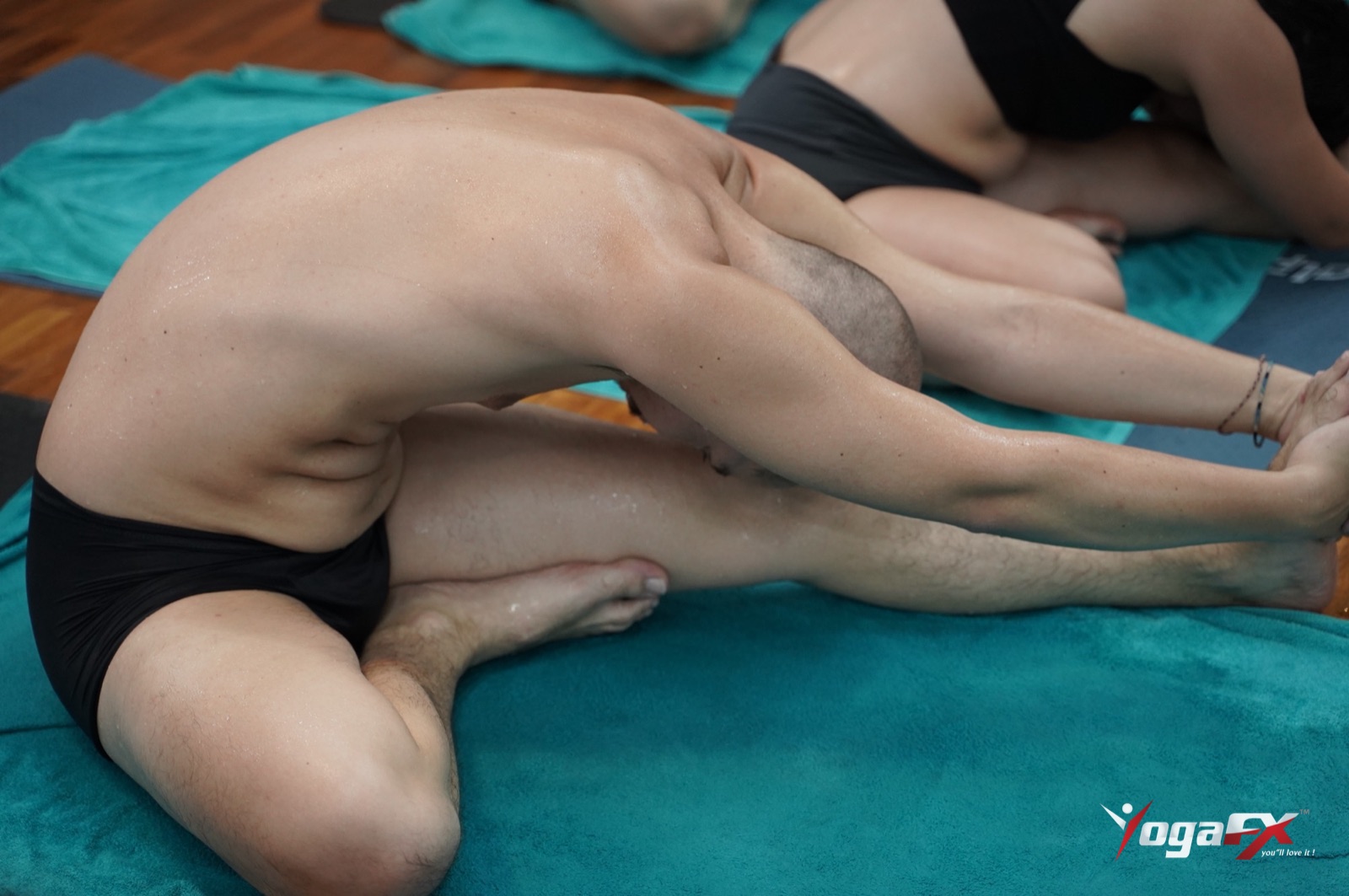
Strength is where people expect the most from yoga and where the evidence is thinner. In the same 8-week trial, the yoga group gained isometric deadlift strength compared with the control group. An isometric test measures how hard you can pull without moving, which is close to holding a posture.
Handgrip strength did not change. Resting heart rate, blood pressure and treadmill fitness did not change either. So the study points to a specific effect on the back and legs, not a general fitness boost.
The 2025 review does not list strength as a headline result in its abstract, so we don’t claim it for hot yoga as a whole. If you want the full picture on muscle, read our guide on whether hot yoga builds muscle.
Yoga Championship Research at a Glance
The table below sets the three sources side by side, so you can see what each one measured and where it stops.
| Source | Who or what | Flexibility | Strength | Main limit |
|---|---|---|---|---|
| Tracy and Hart, 2013 | 21 healthy young adults, 8 weeks, 24 classes | Lower back, hamstring and shoulder gains vs control | Deadlift strength up, handgrip unchanged | Small groups, short study |
| Willmott et al., 2025 | 43 studies, 942 participants | Listed as a functional adaptation | Not a headline result | Uneven study quality |
| Mayo Clinic guide, 2023 | Stretching advice for adults | Better range of motion with regular stretching | Not covered | Not a yoga trial |
Where the Evidence Stops
Honest science also names its limits. Here’s what matters most if you hope to train for a yoga championship.
- No athletes were studied. The trial used healthy young adults who were not competitors, so it cannot tell us what makes a medal winner.
- The sample was small. Ten people in the yoga group is enough to suggest an effect, not to settle it.
- The trial was short. Eight weeks shows early change. It says little about years of training.
- Heat was part of the package. Because the classes were heated, we cannot say how much of the gain came from the heat and how much from the postures.
None of this makes the findings useless. It means the right reading is modest: regular practice can improve flexibility, and may improve some strength, in healthy adults. The review authors reach a similar view when they say superiority over other exercise is unsubstantiated.
For the bigger question of how the sport is governed, see our explainer on the international yoga sports federation and what recognition requires.
How to Read a Yoga Championship Study Headline
News about a yoga championship often arrives with big claims attached. A headline might say yoga “makes you a champion” or that one style beats all others. Here’s a quick way to test it before you believe it.
- Check who was studied. Results from healthy young adults may not apply to older students, beginners with injuries or elite athletes.
- Check the comparison. A control group that did nothing is an easy bar. Gains against a group doing other exercise would be stronger evidence.
- Check the size. Small groups can show real effects, but they can also show chance. Look for the number of people and the length of the study.
- Check what was measured. A deadlift pull, a sit-and-reach test and a judge’s score are three different things.
- Check who funds and reviews it. Peer-reviewed journals and university or hospital sources are a safer base than a studio brochure.
Apply these five checks to the yoga championship research above and the picture stays honest. The trial is real and well described, and it is also small and short. The review is broad, and its authors still call for better study designs.
The same habit helps when you read about the sport itself. Medal tables, federation news and ranking claims all deserve a second look at the source. That’s why we link every study we cite, so you can open it and judge for yourself.
What the research does not tell you
No study we found links a hot yoga programme to a result at a yoga championship. We can’t say how many classes produce a podium finish, or whether flexibility or strength matters more for a given event. Those questions need studies of competitors, and they haven’t been done yet.
What the research does support is simpler. Regular, guided practice can improve range of motion in healthy adults, and it may add some strength in the back and legs. For most students, that’s a useful reason to keep showing up, whether or not a yoga championship is the goal.
Mr. Ian Terry’s View From the Training Floor
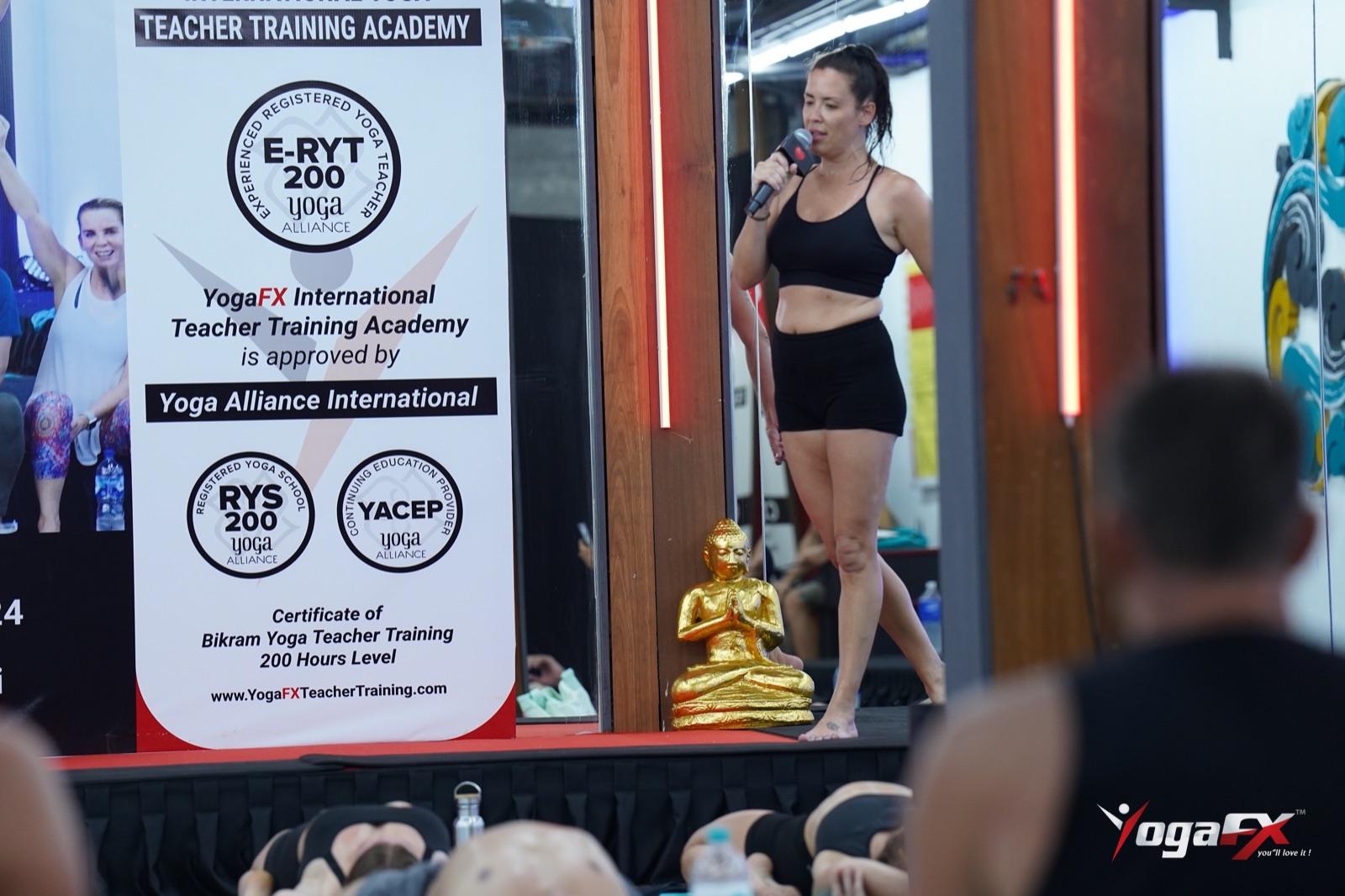
Mr. Ian Terry holds the E-RYT 500 credential and has more than 12,000 teaching hours. He trained for five years, from 2014 to 2019, with the founder of the Bikram Hot 26&2 method. He is also a Master Trainer for the Republic of Indonesia Yogasana Sports Federation.
That role gives him a view of both the studio and the competition floor. YogaFX graduates have won 12 medals across national, Asian and world events: 5 gold, 3 silver and 4 bronze. At the World Yogasana Sports Federation Championships in Ahmedabad, held 4 to 8 June 2026, Indonesia took 7 medals: 1 gold, 2 silver and 4 bronze.
Two of those athletes are graduates. Ivara Candra Kartika (class of 2023) won one gold and one bronze in Ahmedabad. Arkan Fauzan Riyanto (class of 2022) won two silver and three bronze.
What does Mr. Ian teach that carries over? Three habits come up again and again in class:
- Precision first. A scripted class trains students to follow exact cues, which is the same discipline judges reward.
- Calm under stress. Heat, a full room and a clock all pull attention away from the posture, so students practise pulling it back.
- Small steps, repeated. Range of motion grows from regular practice, not from one heroic session.
Credentials matter when you choose who teaches you, and our guide to the E-RYT 500 meaning explains what the title does and does not prove.
What YogaFX Students Say About Pushing Their Limits
Numbers show averages. Students describe what a change feels like. These are three reviews from the YogaFX YouTube channel, shown by first name, with short close paraphrases of what each person said.
In a Locust posture, Manou could not raise a leg past 45 degrees at first. With help from Mr. Ian and a fellow trainee, the leg went past 90 degrees, and Manou says the moment brought tears.
Manou, YouTube review, 2025 (paraphrased)
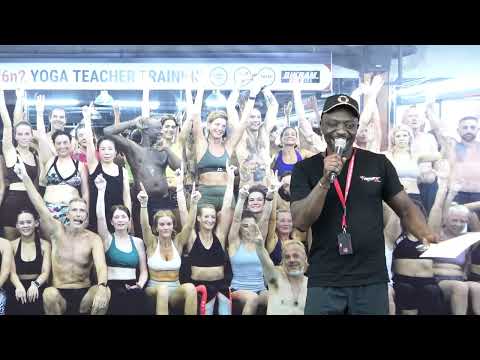
Ivara credits Mr. Ian for pushing every single day. Even when the answer was “I cannot,” the reply stayed the same: “you can do it.”
Ivara, YouTube review, 2025 (paraphrased)
Jennifer says she researches everything first, from the teacher’s credibility to the safety of the training, and wanted to be sure it would go exactly as she expected.
Jennifer, YouTube review, 2024 (paraphrased)
Jennifer’s habit is a good model for you too. Check the teacher, check the evidence and check the safety before you commit.
A Safe Yoga Championship Style Week at Home
You don’t need a stage to train the qualities above. You need a plan that respects the limits of the research. Here is a simple weekly rhythm built on the checked sources.
Five rules for the week
- Practise three times. The trial group averaged about three classes a week, and Mayo Clinic suggests stretching at least two to three times weekly.
- Warm up first. Walk or cycle gently for 5 to 10 minutes, because stretching cold muscles raises the risk of a strain.
- Hold, do not bounce. Stay about 30 seconds in each stretch and breathe normally.
- Aim for tension, not pain. If it hurts, you have pushed too far, so back off.
- Keep it cool at home. You don’t need a heated room to practise range of motion.
Heat safety if you do practise warm
MedlinePlus advises drinking fluids before, during and after exercise, even if you are not thirsty. It also lists warning signs of heat illness, such as heavy sweating, dizziness, headache and nausea. At the first sign, get out of the heat and cool down. Pale yellow urine is a sign you are drinking enough.
Please consult a healthcare professional before starting a heated practice, especially if you have a heart condition, are pregnant or take regular medication. The review authors themselves advise caution.
From Yoga Championship Knowledge to Teaching Skill
Understanding the research is useful whether you compete, practise or teach. A good teacher explains why a posture is cued a certain way, and can say what the evidence does and does not support.
That’s the idea behind our online hot yoga course at YogaFX, which is led by the science and graded evidence. You learn the sequence, the physiology and how to coach students safely, and you can study from home. Mr. Ian leads the training.
If you plan to teach, check how a school is listed and how hours are counted. Our guide on Yoga Alliance certification from home explains the rules in plain language.
FAQ
Is yoga a competitive sport?
Yes, in many countries. Athletes perform set postures in front of judges, who score how well each one is done. Some practitioners still argue that competition clashes with the spiritual roots of yoga, so opinions differ. Rules and scoring vary by federation, so check the one running the event.
Does yoga improve flexibility for a yoga championship?
Research suggests it can. In an 8-week trial of 21 healthy young adults, the Bikram yoga group improved lower back, hamstring and shoulder flexibility compared with a control group. A 2025 review of 43 studies also lists flexibility among hot yoga adaptations. Studies of champions are still missing.
Does yoga build the strength a yoga championship needs?
Partly. The same 8-week trial found more isometric deadlift strength in the yoga group, but handgrip strength did not change. The 2025 review does not highlight strength in its abstract. So yoga may build strength in the back and legs, not everywhere.
How often should I stretch to improve flexibility?
Mayo Clinic suggests stretching at least two to three times a week and holding each stretch for about 30 seconds. Breathe normally, avoid bouncing and expect tension, not pain. Warm up for 5 to 10 minutes first, because stretching cold muscles can cause injury.
Is hot yoga safe to practise for competition training?
It is safe for many healthy adults, but not for everyone. Researchers advise caution because some case reports describe ill health after hot yoga. Drink fluids, watch for dizziness or nausea, and stop if you feel unwell. Consult a healthcare professional first if you have a medical condition.
Still have questions? Message Mr. Ian and the YogaFX team on WhatsApp and we will answer them personally. We can explain how the online hot yoga course works and whether it suits your goals, whether you want to compete or simply teach.

Founder and lead trainer of YogaFX International Yoga Teaching Academy, with more than 12,000 hours of teaching. He trained for 5 years, from 2014 to 2019, with the founder of the Bikram Hot 26&2 method.
Published · Last reviewed and updated
You may also like
Explore all articles ↗ Teacher Training Guides11 min read14 Nov 2026
Male Yoga Teacher: Start Your Hot Yoga Training Online From Home
Read article ↗ Teacher Training Guides12 min read14 Nov 2026
How to Choose a Yoga Teacher Training Using Evidence, Not Marketing
Read article ↗ Teacher Training Guides11 min read14 Nov 2026