
The Original Hot Yoga Association (OHYA) sets a 240-hour floor for approved teacher trainings, but the pages we read publish no room temperature or humidity figure. So heat safety rests on each studio. Research and medical guidance show what to check before you book a class or a training.
This guide is for students and future teachers. It sets what the Original Hot Yoga Association publishes beside what the research says. It also gives a plain checklist you can use at any studio, including ours.
What the Original Hot Yoga Association Publishes About Heat
The Original Hot Yoga Association is a US trade body for studios that teach the 26-posture hot sequence. Its homepage describes the class as "a 90-minute, set sequence of 26 yoga postures with 2 breathing exercises, each performed twice in a hot room (ideal conditions vary)."
That last phrase matters for safety, because students searching for OHYA yoga classes often assume a standard room. We read the homepage, the About page, the teacher training page, both standards pages and the continuing education page on 10 November 2026. None of them gives a room temperature. None gives a humidity figure either.
That isn't a criticism. The Original Hot Yoga Association sets teaching standards, and each studio chooses its own heating. Still, a student reads "hot room" and has to guess what it means. A room at 35°C feels very different from one at 40°C, and humidity changes the picture again. For what studies of this 26-posture class actually measured, see the research on the original hot yoga sequence.
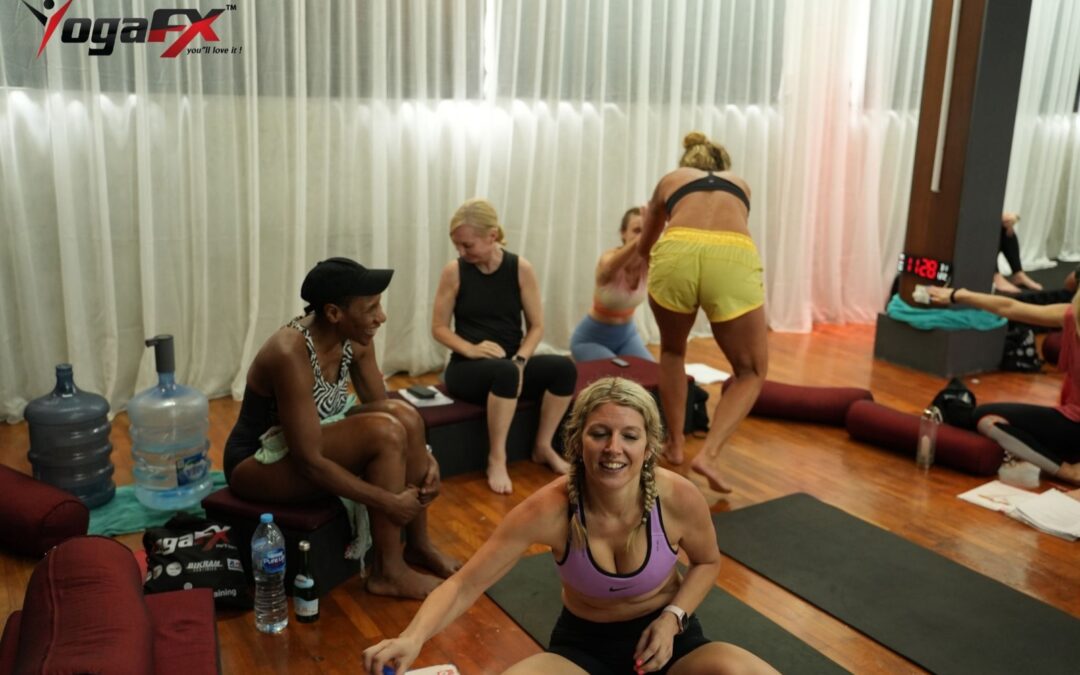
Mr. Ian Terry, E-RYT 500, is the founder of YogaFX and has more than 12,000 teaching hours. He teaches the same 90-minute sequence in Bali. Later in this guide we show how his classes publish their conditions.
90 min
Class length
The association describes one set class of this length.
26 + 2
Postures and breathing
26 postures and 2 breathing exercises, each done twice.
240 hrs
Training minimum
Contact hours for an approved teacher training.
0
Temperature figures
Found on the six pages we read on 10 November 2026.
80%
Heart rate
Average share of maximum heart rate in a 2014 class study.
104°F
Heatstroke line
Core temperature of 104°F (40°C) or higher, per Mayo Clinic.
Heat Safety Checks: What the Original Hot Yoga Association Says and What the Evidence Says
The table sets the Original Hot Yoga Association's published pages beside medical sources. "Not found" means we searched the six pages and didn't see it. A table can't replace a doctor, but it shows where the association leaves questions to the studio.
| Topic | What the Original Hot Yoga Association pages say | What the evidence says | What to ask a studio |
|---|---|---|---|
| Room conditions | No temperature or humidity figure. "Ideal conditions vary." | Mayo Clinic lists a heat index of 91°F (33°C) or higher as a heat exhaustion risk. | What are the temperature and humidity today? |
| Class length | A 90-minute class. Internship classes: "most should be 90 minutes, some can be 60." | A 2014 University of Wisconsin study found heart rates near 80% of maximum in a 90-minute class. | Can a new student rest or leave the room? |
| Water | A teacher page calls "extra rules (such as water breaks)" an ineffective teaching practice. That is a teaching-style remark, not hydration advice. | Mayo Clinic names dehydration as a cause of heat exhaustion and advises cool water. | What is your water policy during class? |
| Student health guidance | Not found on the pages read. | The CDC says many medications, including over-the-counter ones, can impair heat tolerance. | Do you ask about medicines and conditions? |
| Teacher training content | 240 contact hours. Anatomy and physiology may count inside the 150 posture lab hours. CPR and first aid: not found. | Heat exhaustion has known symptoms and a one-hour rule for seeking help (Mayo Clinic). | Does the syllabus teach heat illness and first aid? |
| Special groups | Studios may set guidelines for pregnancy and disability. No content given. | The CDC lists pregnant women, adults over 65 and people with chronic conditions as higher risk. | What is your pregnancy and health policy? |
Why the Same Class Can Feel Different From Room to Room
Two studios can both advertise a class from the Original Hot Yoga Association format and feel nothing alike. Temperature is only one reason. Humidity matters too, because sweat cools you only when it can evaporate. In damp air it can't, so your body keeps working harder.
Mayo Clinic points the same way. It lists a heat index of 91°F (33°C) or higher as a risk factor for heat exhaustion. Heat index combines air temperature with humidity, so a number for the air alone doesn't tell the full story.
Other factors change the load as well. A crowded room is warmer than an empty one. A student who skipped lunch or slept badly will struggle sooner. For example, a regular who feels fine on Monday may feel dizzy on a humid Friday. That's normal, so listen to your body each time.
What the Research Says About a 90-Minute Heated Class
Heart Rate in Class
Start with the heart. A 2014 University of Wisconsin study (Porcari et al.) measured people in a 90-minute heated class. Heart rates averaged about 80% of maximum. Women burned about 333 kilocalories and men about 460 on average.
So the class is real cardiovascular work, even when the movements look slow. Our guide on whether hot yoga is a cardio workout goes deeper on the heart-rate side.
Mood and Heat
Next, mood. A Massachusetts General Hospital trial (Nyer et al. 2023, Journal of Clinical Psychiatry) ran 8 weeks. In it, 59.3% of adults in the yoga group had a drop of 50% or more in depressive symptoms. In the waitlist group it was 6.3%.
That trial measured depressive symptoms, not heat injury. So it supports a possible benefit for some adults. It doesn't show that any one room temperature is safe for everyone.
Finally, the wider picture. A 2025 systematic review (Willmott et al.) pooled 43 studies with 942 participants. That's a small pool for spotting rare events such as heat stroke. Because of this, careful screening and good teaching still matter.
- The research can show that a 90-minute heated class puts real load on the heart.
- The research can show that some adults improved their mood in a controlled 8-week trial.
- The research can't show which temperature a studio should use for your body today.
Five Signs of Heat Trouble Every Student Should Know
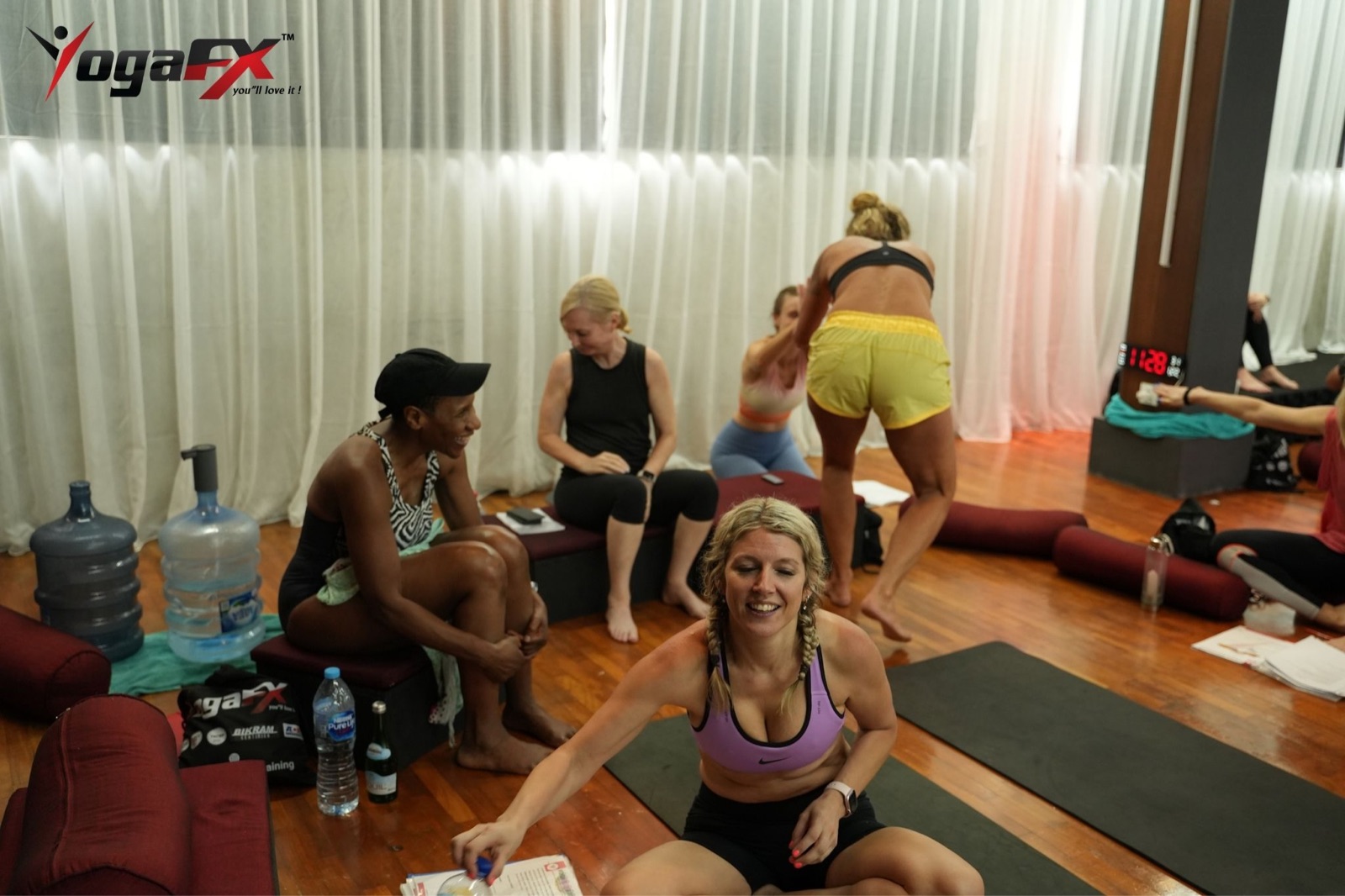
Mayo Clinic lists the symptoms of heat exhaustion. Learn them before your first class, because early signs are easy to push through. Watch for these groups of signs:
- Heavy sweating with cool, moist skin or goose bumps in the heat.
- Dizziness or faintness, especially when you stand up.
- Fatigue and a weak, rapid pulse.
- Nausea or a headache that wasn't there when you started.
- Muscle cramps that don't ease when you change position.
If you notice any of these, act at once. Mayo Clinic's advice is simple. Here are the steps in order:
- Stop all activity and rest.
- Move to a cooler place.
- Drink cool water or a sports drink.
- Get medical help if you don't feel better within one hour.
Heat stroke is more serious. It happens when your core temperature reaches 104°F (40°C) or higher. Confusion, fainting or being unable to drink all need immediate help. The full treatment guidance from Mayo Clinic also explains cooling measures.
In a class, that means a student must feel free to sit down. It also means a teacher must notice early. A good teacher scans the whole room, not just the front row.
Who Should Talk to a Doctor Before a Heated Class
The CDC clinical overview of heat and health says many medications, including over-the-counter ones, can impair heat tolerance. It names groups at higher risk, so these readers should speak to a doctor first:
- Anyone who takes medicines that affect heat tolerance. Mayo Clinic names beta blockers, diuretics and antihistamines as examples.
- Anyone who is pregnant.
- Adults over 65.
- People with chronic health conditions, such as heart disease.
This is general information, not medical advice. Please consult a healthcare professional before you start a heated practice. If you're already unsure about your heart, read our review of blood pressure trials in hot yoga and bring it to the appointment.
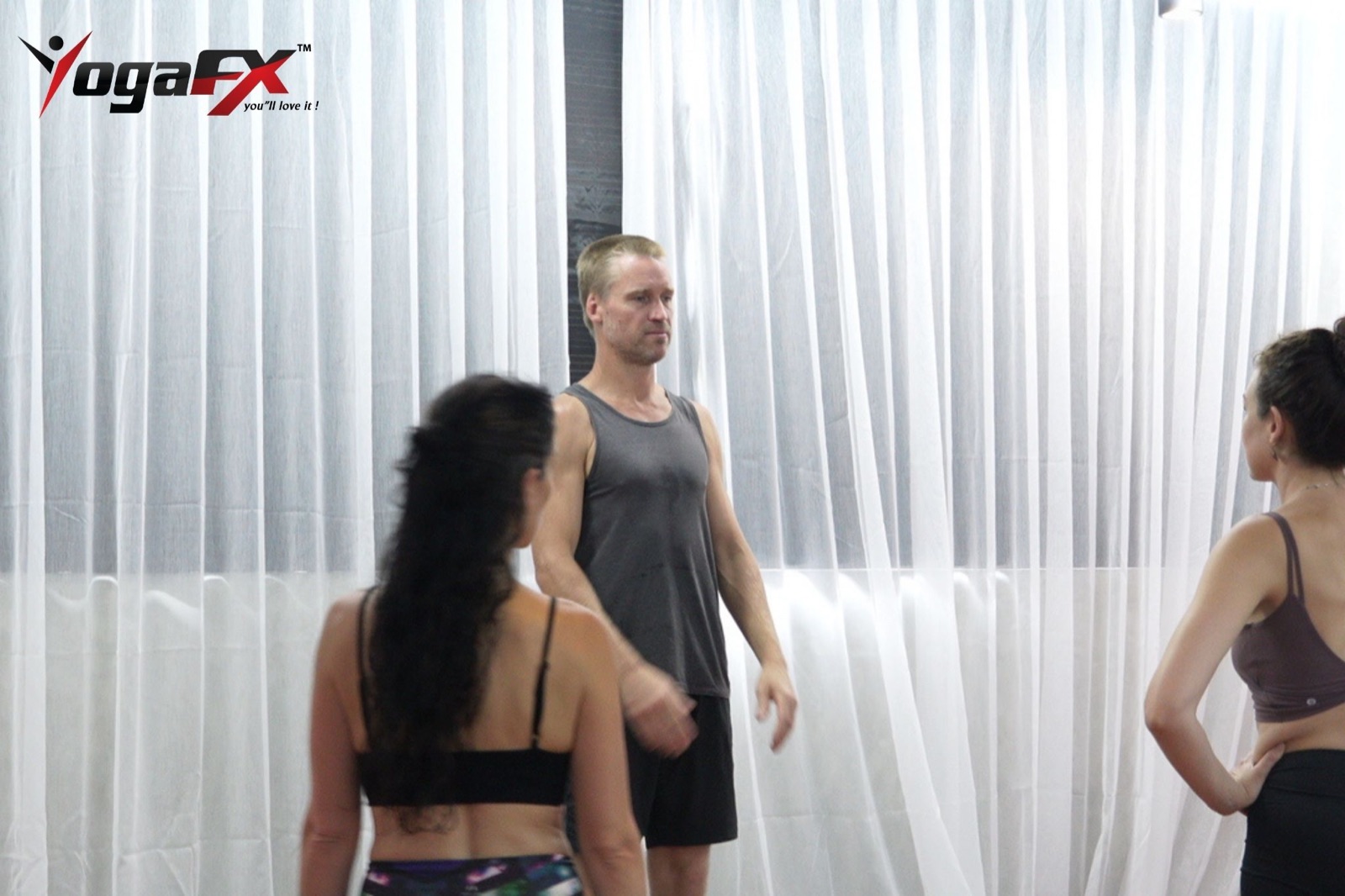
Be honest with your teacher too, so they can help. Say "I'm new" or "I took a tablet today" before class starts. A studio that welcomes that sentence is a studio that takes heat seriously.
A Pre-Class Checklist for Any Studio
Because the Original Hot Yoga Association leaves room conditions to each studio, you can check them yourself. Use this list before you pay for a class pack or a training.
- Ask for the room temperature and humidity in writing.
- Ask whether the heat comes from electric heaters or from the climate.
- Ask how a new student can rest, sit out or leave without fuss.
- Ask what the water policy is, and bring your own bottle.
- Ask whether teachers hold first aid training.
- Ask how many students one teacher watches at a time.
- Ask what happens if you feel dizzy, and who calls for help.
- Eat lightly and drink water in the hours before class.
None of these questions is rude. Good studios answer them in a minute. If the answers are vague, treat that as information, because it tells you how the studio handles heat.
How Teacher Training Standards Handle Heat
If you want to teach, the standards matter even more. Many applicants search for OHYA certification or an OHYA teacher training, so it helps to know what the label covers. An approved training under the Original Hot Yoga Association needs at least 240 contact hours. They split into 150 hours of posture lab and teaching skills, 80 hours of practice and 10 hours of professional development.
Since 2025, anatomy and physiology hours (20) may count inside the 150. So the syllabus covers the body, but the pages we read don't state how much is about heat illness. CPR and first aid aren't mentioned.
Continuing education adds more. The Original Hot Yoga Association asks for 30 hours every three years. Twenty-five of them are in a category that includes room and heat management. The pages don't say how many hours go to heat.

So heat management is named as a topic, but it isn't measured in hours. When you compare trainings, ask each one for its heat and first aid syllabus in writing. Our guides to online hot yoga certification and Yoga Alliance certification from home explain how hours are counted elsewhere.
For the association's legal form, finances and board, read the full YogaFX report on the association. That page covers the structure. This page covers heat.
How YogaFX Handles Heat in Class and in Training
YogaFX publishes its numbers. A class runs for 90 minutes at 40°C with 40% humidity. The heat is the natural tropical climate, not electric heaters. The teacher follows a scripted dialogue, with no demonstration and no music, so students can focus on their own bodies.
Mr. Ian Terry has taught more than 12,000 hours and holds E-RYT 500 status. He spent five years, from 2014 to 2019, training alongside the founder of the Bikram Hot 26&2 method. That background shapes how YogaFX teaches students to read their own heat response.
The Online Route
You don't have to start in Bali. The YogaFX Online Academy offers a Yoga Alliance RYT 200 online course that doubles as preparation for the live MasterClass. You can learn the dialogue and posture names at home first. Our breakdown of online yoga teacher training shows how an 8-week plan works.
What Graduates Say
Graduates describe the experience in their own words:
"I came for healing, I found family, community, inspiration."
Rachel, YouTube review, 2024
Cherry said she never knew she could teach a class until the training showed her she could (paraphrased).
Cherry, YouTube review, 2019
"Amazing yoga teacher training."
Nyoman, Google review, 2024

What an Association Can and Can't Promise on Heat
A trade body can set a minimum for hours and content. It can publish standards and list its members. What it can't do is stand in the room with you on a humid afternoon.
That's true of the Original Hot Yoga Association and of every other association. Safety in a heated room is local. It depends on the thermometer, the teacher's eyes and your own honesty about how you feel.
So use labels as a starting point, not a finish line, because labels don't measure the room. Ask the studio for its numbers. Read the symptoms list once. Tell your teacher what's going on. Then build your heat tolerance slowly over weeks, not in a single class.
Questions about the Original Hot Yoga Association itself? Our FAQ below covers the basics, and the report linked above covers the rest.
FAQ
What is the Original Hot Yoga Association (OHYA)?
The Original Hot Yoga Association is a US trade association for studios that teach a 90-minute class of 26 postures and 2 breathing exercises in a hot room. It approves teacher trainings of at least 240 contact hours and keeps a directory of member studios and teachers.
Who should not do hot yoga?
People who are pregnant, over 65, take medicines that affect heat tolerance, or live with chronic conditions such as heart disease should speak to a doctor first. The CDC and Mayo Clinic name these as higher-risk groups. This is general information, so consult a healthcare professional before starting.
Can hot yoga be harmful?
It can be if heat illness is missed. Mayo Clinic lists dizziness, faintness, nausea, cramps and a weak, rapid pulse as warning signs. Stop, rest, move somewhere cooler and drink cool water. Seek medical help if you're not better within an hour or if confusion starts.
Is hot yoga authentic?
Authenticity is a claim each lineage makes about itself. The Original Hot Yoga Association describes its class as a 90-minute sequence of 26 postures and 2 breathing exercises. Judge a studio by its published standards, training hours and room conditions, not by the word original alone.
Can hot yoga be done at home?
Some people practise at home, but then heat becomes your own responsibility. Use a thermometer and a humidity gauge, keep water close, and stop at the first sign of dizziness. Check with a doctor if you take medicines or have a health condition before heating any room.
Still have questions? Message Mr. Ian and the YogaFX team on WhatsApp and we will answer them personally.

Founder and lead trainer of YogaFX International Yoga Teaching Academy, with more than 12,000 hours of teaching. He trained for 5 years, from 2014 to 2019, with the founder of the Bikram Hot 26&2 method.
You may also like
Explore all articles ↗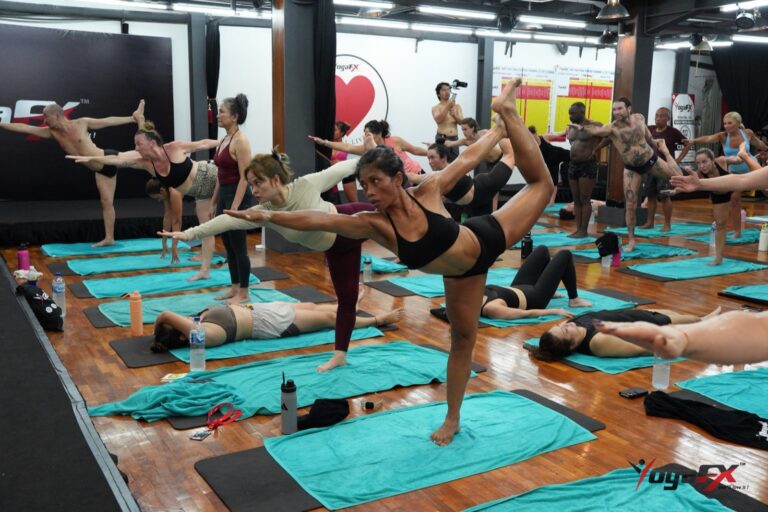 Teacher Training Guides11 min read14 Nov 2026
International Yoga Sports Federation and Yoga as a Sport: What Recognition Requires
Read article ↗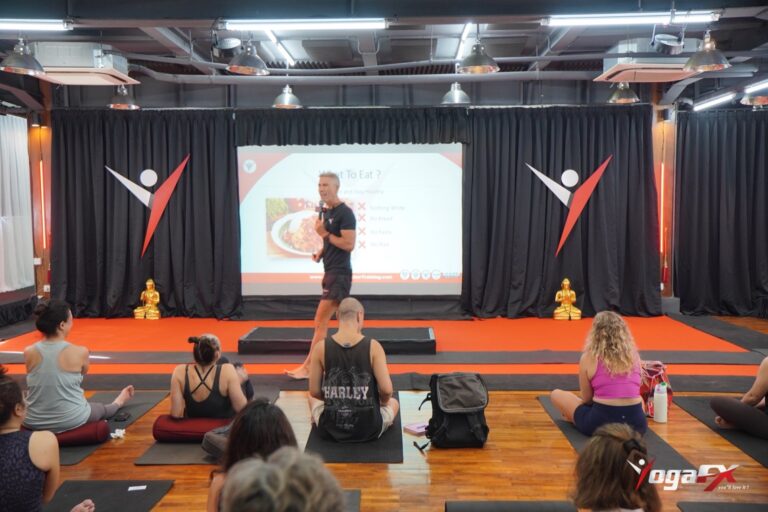 Teacher Training Guides11 min read13 Nov 2026
Sauna After Hot Yoga? What Core Temperature Data Suggests
Read article ↗ Teacher Training Guides10 min read13 Nov 2026