

Yoga teacher training reviews describe health changes far more often than they describe certificates. In 482 YogaFX reviews, graduates mention strength, flexibility, energy, confidence and calmer moods. Research supports some of these claims. One heated yoga trial, for example, found lower depression scores. Still, a review alone cannot prove any of them.
That gap matters because you are choosing a school. Most yoga teacher training reviews are warm, specific and sincere, yet they are still stories told after the fact. For example, they tell you what a graduate felt. Instead, they rarely tell you what changed, by how much, or whether the same thing would happen to you.
So we did two things. First, we counted which health themes appear in our own reviews. Second, we checked each theme against research we could open and read. The result is a short guide. It shows what graduates report, what studies back up, and how to read any school's reviews without being misled.
Mr. Ian Terry, an E-RYT 500 with more than 12,000 teaching hours, leads the YogaFX trainings behind these reviews. He asks trainees to treat their own results the way this article does. That means curiosity, plus a healthy dose of caution.
This article is general information, not medical advice. Please consult a healthcare professional before starting hot yoga or a teacher training. That matters most if you have a medical condition or an injury, or if you are pregnant.
What Yoga Teacher Training Reviews Say About Health
We ran a keyword count across the yoga teacher training reviews held in the review store that backs this site. It holds 482 reviews with written or transcribed text. Of these, 129 come from Google, 19 from Yoga Alliance and 334 from YouTube video testimonials. We searched for words linked to six health themes, such as strength, flexibility, confidence, calm, energy and injury.
A keyword count is crude. One review can mention several themes, and a word like "strong" can mean a strong practice or a strong teacher. Even so, the pattern is clear enough to be useful, and it is shown in Table 1.
| Health theme in reviews | Reviews that mention it | Share of 482 | What the research we checked says |
|---|---|---|---|
| Strength or flexibility | 42 | 8.7% | A small study summarised by Harvard Health found gains after 8 weeks |
| Energy or sleep | 31 | 6.4% | No teacher training trial found; treat as personal report |
| Confidence | 21 | 4.4% | Not measured in the sources we opened |
| Stress or calm | 15 | 3.1% | One 8-week heated yoga trial found lower depression scores |
| Injury or pain | 12 | 2.5% | No promises possible; ask a healthcare professional first |
| Anatomy or science taught | 12 | 2.5% | A course feature, not a health outcome |
So two things stand out. Physical themes lead the list, which is what you would expect from a course built on a physical practice. And the injury and pain theme is the smallest, which tells us graduates rarely frame their training as treatment.
The research column is just as telling. Only the stress and mood theme has a controlled trial that we could open. That trial studied regular classes, not teacher training. For every other theme, the plain summary is that the reviews are the main evidence available.
Stress and Mood: Where Yoga Teacher Training Reviews Meet a Trial
Calm and confidence turn up in graduate stories again and again, usually in plain words. One Google reviewer, Ebtesam, wrote about the effect of encouragement from her trainer:
“Mr. Ian, thank you for always believing in me and telling me constantly 'I can do this'.”
Ebtesam, Google review, 2022
That's a confidence story, and it's a good one. It is also a story about a relationship with a teacher, not about heat, postures or physiology. A reader can enjoy it and still ask what a controlled study would add.
The trial behind the claim
The best match we found is a randomised trial by Nyer and colleagues at Massachusetts General Hospital. It appeared in the Journal of Clinical Psychiatry in 2023. We read its record on Europe PMC. The team compared 8 weeks of community-delivered heated hatha yoga with a waitlist in adults with moderate-to-severe depression.
What the trial found
- Who took part: 80 adults were randomised, and 65 were analysed (33 in the yoga group, 32 on the waitlist).
- What happened: 59.3% of the yoga group cut their depression symptoms by half or more, against 6.3% of the waitlist group.
- How big was the effect: the drop in symptom scores was larger for yoga, with a Cohen's d of 1.04.
- How much yoga: participants attended 10.3 classes on average over the 8 weeks.
However, the authors call the result "preliminary" and say that trials with active comparison groups are still needed. We agree with that caution. A waitlist group knows it is not getting the treatment. So some of the gap may come from expectation and attention, not from heat or posture.
So the lesson is narrow but useful. Heated yoga practised regularly has some early trial support for mood. Nobody has yet run a trial on teacher training itself. For more detail on the mood research, see our guide to hot yoga for depression. It reads that evidence without the hype.
If you live with depression or any mental health condition, please speak with a doctor or therapist before changing your treatment. Yoga should sit alongside professional care, not replace it.
Strength, Flexibility and Fitness: The Most Common Claim
Physical change is the biggest theme in our reviews, and it is the easiest to believe. Training hours add up, so a trainee who practises and teaches for many hours a week will usually feel stronger and move more freely.
What the beginner research adds
Research on beginners points the same way, although the evidence is modest. A Harvard Health article on the benefits of yoga describes a small study of sedentary people new to yoga. After eight weeks of practice at least twice a week, they had more muscle strength and endurance. Their flexibility and cardio-respiratory fitness improved too.
But notice what that study doesn't say. It does not say how much a trainee will gain. It also does not cover a full teacher training with long days of practice. That means it supports the direction of the claim, not the size.
Here's how that plays out in practice, according to the reviews we read:
- Reviewers who arrived fit often describe gains in flexibility and control rather than raw strength.
- Reviewers who arrived out of practice describe the biggest change, which fits the beginner research above.
- Reviewers who teach after graduating describe staying strong because they keep practising, not because the course ended.
Jilly, a Yoga Alliance reviewer, put the bigger picture this way after her training:
“This is a simply outstanding training course. Not just for Yoga but self development.”
Jilly, Yoga Alliance review, 2019
That line captures why a keyword count undersells these yoga teacher training reviews. Many graduates talk about strength and flexibility. But the sentence that follows is usually about something less measurable, like discipline or self-belief.
Injuries and Pain: What Reviews Can and Cannot Tell You
Injury is the smallest theme in our reviews. Yet it is the one where careless reading does the most harm. For example, a review that says "my back felt better" is a report from one person with one history. It is not advice for yours.
What reviews can tell you is how a school behaves when a student has a limit. Cristina, a Yoga Alliance reviewer, described exactly that:
“The information complemented the practice and provided alternatives of postures for people with certain injuries.”
Cristina, Yoga Alliance review, 2024
That is a useful signal. It suggests the trainers taught alternatives instead of pushing everyone into the same shape. It is also the kind of detail you can ask a school about before you enrol.
Harvard Health's own advice on yoga is simple and worth repeating. Check with your doctor before you start a new exercise programme. That applies doubly to hot yoga. Long teacher training days add heat, volume and fatigue on top.
- Ask the school: how do trainers adapt postures for injuries, and who decides when a trainee should sit out?
- Tell your trainers early: old injuries, blood pressure, pregnancy and medication all matter in a heated room.
- Look for specifics in reviews: a named adaptation beats a general line such as "the teachers were caring".

Five Numbers to Keep in Mind When You Read Health Claims
Put those five numbers side by side. As a result, the shape of the evidence behind yoga teacher training reviews is easy to see. So we have a lot of stories, a small trial for one theme, and a gap between the two. That is a normal place for a young field to be. It is also a good reason to read reviews carefully.
How to Read Yoga Teacher Training Reviews for Health Claims
You don't need a statistics degree to read reviews well. A few habits will protect you from over-reading a glowing paragraph, whichever school wrote it. Here is the checklist we use when we read yoga teacher training reviews from any school:
- Look for the specific change. "I could finally hold the posture" says more than "I feel amazing".
- Note the starting point. A beginner and a long-time athlete will describe the same course very differently.
- Check the timeline. A review written on the last day describes a mood. One written a year later describes a habit.
- Separate the course from the teacher. Many praise a person, not a method, and that does not transfer to another trainer.
- Watch for medical language. Words like "miracle" or "fixed" are a red flag for a review, and for a school that promotes it.
- Read the three-star reviews. They usually name the hard parts: the heat, the hours, the cost.
- Ask who the reviewer is. A named first name, a date and a source make a review easier to trust.
Spending twenty minutes on these questions will tell you more about any set of reviews than counting stars. For the bigger picture, our guide to accredited yoga teacher training online explains how to check who actually registers a school.
Online, Hot Yoga and Bikram Reviews: What Differs for Health Claims
Not every review describes the same course, so match the type to your question. Online yoga teacher training reviews mostly describe screens, pacing and tutor feedback. They rarely report physical change, because the practice happens at home.
Hot yoga teacher training reviews talk more about heat tolerance, stamina and recovery. Bikram yoga teacher training reviews, which relate to the Original Hot 26&2 Yoga method, often add the fixed 26-posture class and how it felt to lead it. Each type answers a different health question, so read the kind that fits yours.
Why Graduates' Stories Are Not Proof
We love our graduates' words, but we also know their limits. Four things keep any set of reviews from counting as proof of a health effect.
- Selection: people who finish a course and choose to review it are more likely to be happy with it.
- Self-report: a review records how someone felt, not a blood pressure reading or a depression score.
- No comparison group: we cannot know what would have happened to the same person without the course.
- Mixed causes: a trainee also changes sleep, food, friends and routine, so the yoga is only one ingredient.
None of this makes the reviews worthless. Instead, it makes them what they are: first-hand accounts that tell you what the experience is like. Studies then answer a different question, which is what the practice might do under controlled conditions.
So the sensible reading puts both together. Yoga teacher training reviews describe the lived experience. Trials test narrow claims. A good school tells you clearly which is which. When a site blurs the two, treat that as information about the site.
How YogaFX Online Hot Yoga Training Handles Health Claims
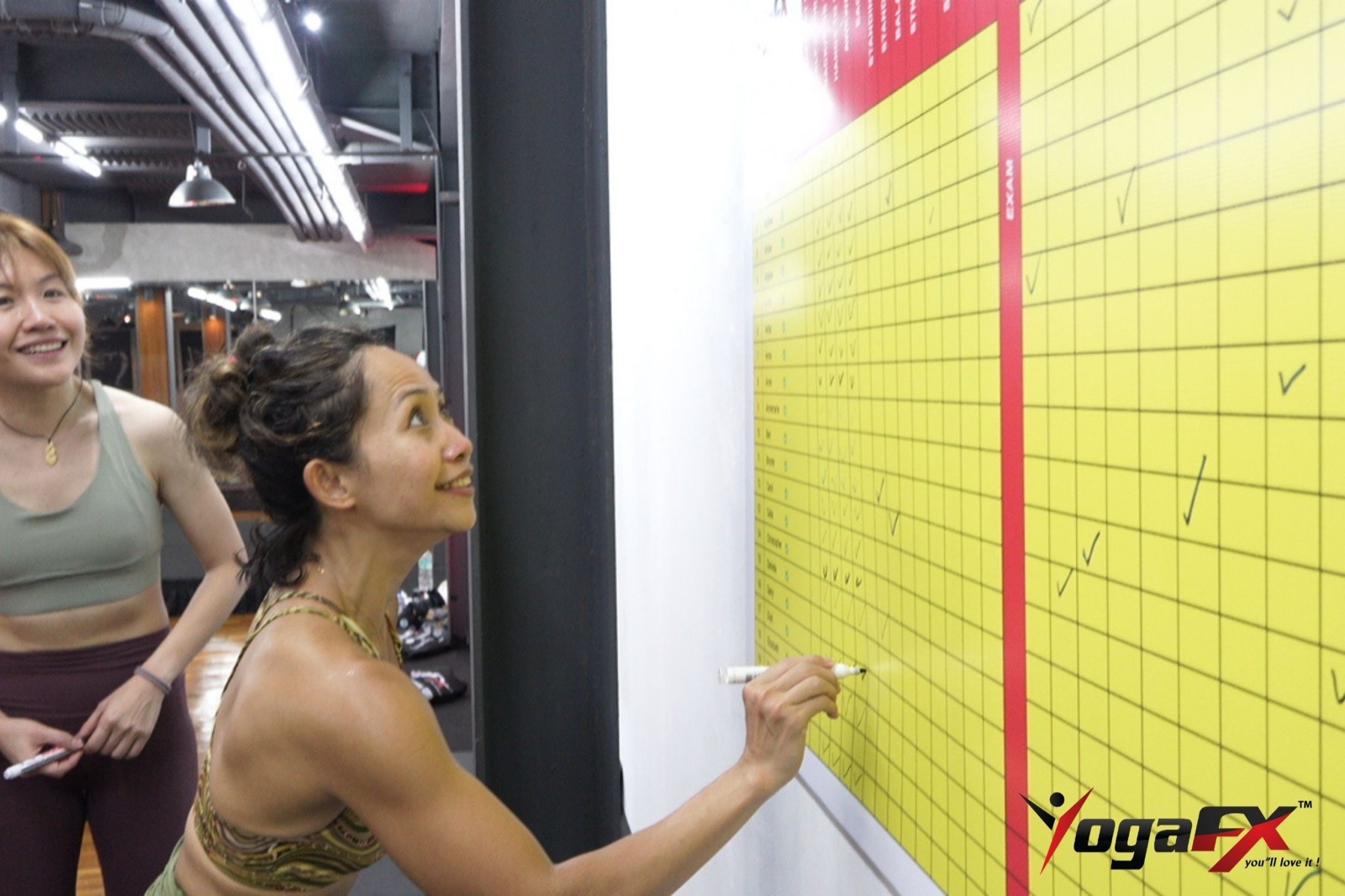
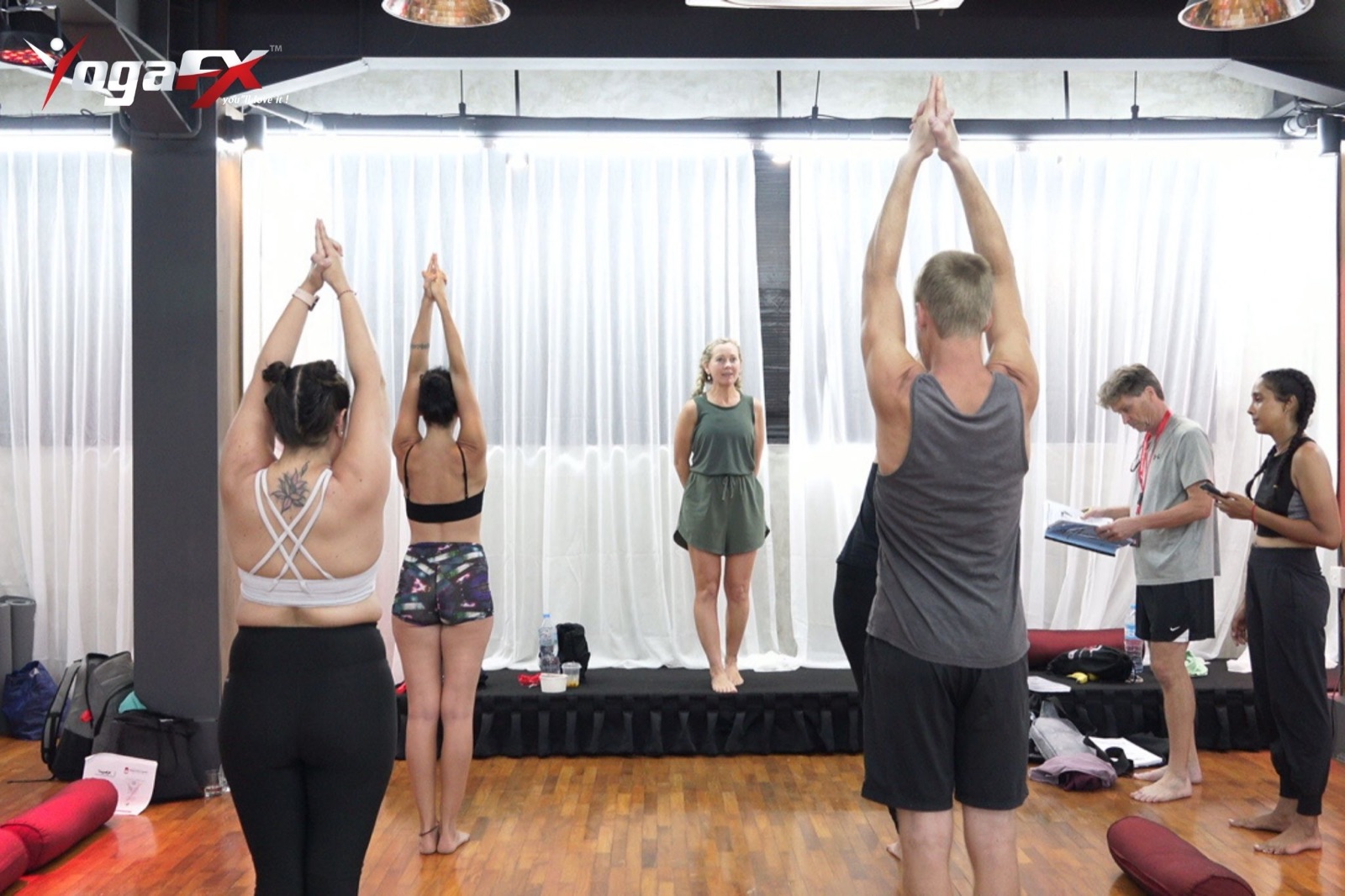
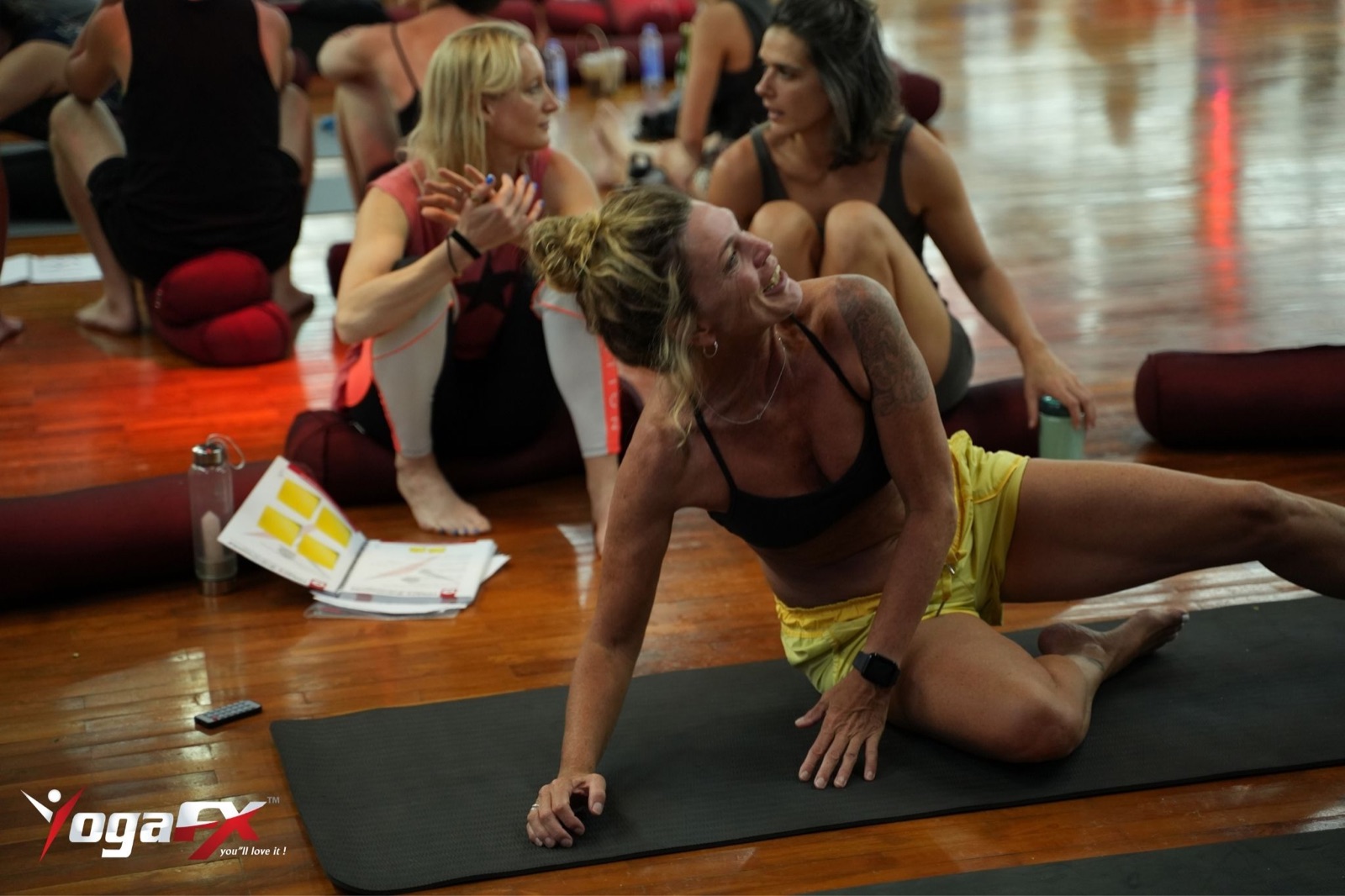
The yoga teacher training reviews in this article come from graduates of YogaFX trainings in Bali. The photographs show a 2025 training. This site covers the online side of hot yoga teacher training. It follows the rule we applied above: say what the evidence shows, and say what it does not.
Mr. Ian Terry holds E-RYT 500 status and has taught for more than 12,000 hours. He has trained more than 1,500 graduates from over 80 countries since YogaFX began in 2017. That experience is why he is careful with health promises, because he has watched too many trainees treat a good week as a fix.
If you are weighing an online route, start with our breakdown of online yoga teacher training. To see how a lead trainer's background shapes your course, read what E-RYT 500 means for the lead trainer's experience. And for another way of reading the same graduate feedback, see how trainees name the person who trained them.
Questions are always welcome, whether they are about the course, the science or your own health. Message Mr. Ian and the YogaFX team on WhatsApp and we will answer them personally.
FAQ
Is yoga teacher training worth it?
It depends on your goal. Graduates in our reviews value the teaching skills, the structure and the personal growth, and fewer of them mention income. Weigh the full cost against how you plan to use the certificate. Then read reviews from people with goals like yours before you commit.
What is yoga teacher training like?
Expect long days that mix practice, anatomy, philosophy and practice teaching. Reviews describe a structured course where trainees teach each other and receive feedback. Hot yoga trainings add heat to the workload. So build your stamina first, and tell your trainers about any injury or health condition before day one.
Can you do yoga teacher training online?
Yes, many schools now teach part or all of the hours online. Ask how the hours count towards registration, how practice teaching is assessed, and who the lead trainer is. Then read reviews from graduates who studied in the same format, because an in-person review may not describe your experience.
How does yoga teacher training change you?
Reviews most often mention a stronger practice, more confidence and a calmer outlook. Each is a personal report, not measured proof. One heated yoga trial found larger drops in depression scores than a waitlist. However, it studied regular classes, not teacher training. Treat both as signals, not guarantees.
Can you do yoga teacher training as a beginner?
Many schools accept students with limited experience, but requirements differ, so ask before you enrol. A steady practice for several months helps you cope with the daily hours. Be open about injuries and ask how trainers adapt postures. If you have a medical condition, check with a healthcare professional.
Still have questions? Message Mr. Ian and the YogaFX team on WhatsApp and we will answer them personally. Tell us your goals, your experience level and any health questions, and we will tell you plainly whether the course fits you.

Founder and lead trainer of YogaFX International Yoga Teaching Academy, with more than 12,000 hours of teaching. He trained for 5 years, from 2014 to 2019, with the founder of the Bikram Hot 26&2 method.
Published · Last reviewed and updated
You may also like
Explore all articles ↗ Teacher Training Guides11 min read14 Nov 2026
Male Yoga Teacher: Start Your Hot Yoga Training Online From Home
Read article ↗ Teacher Training Guides12 min read14 Nov 2026
How to Choose a Yoga Teacher Training Using Evidence, Not Marketing
Read article ↗ Teacher Training Guides11 min read14 Nov 2026