
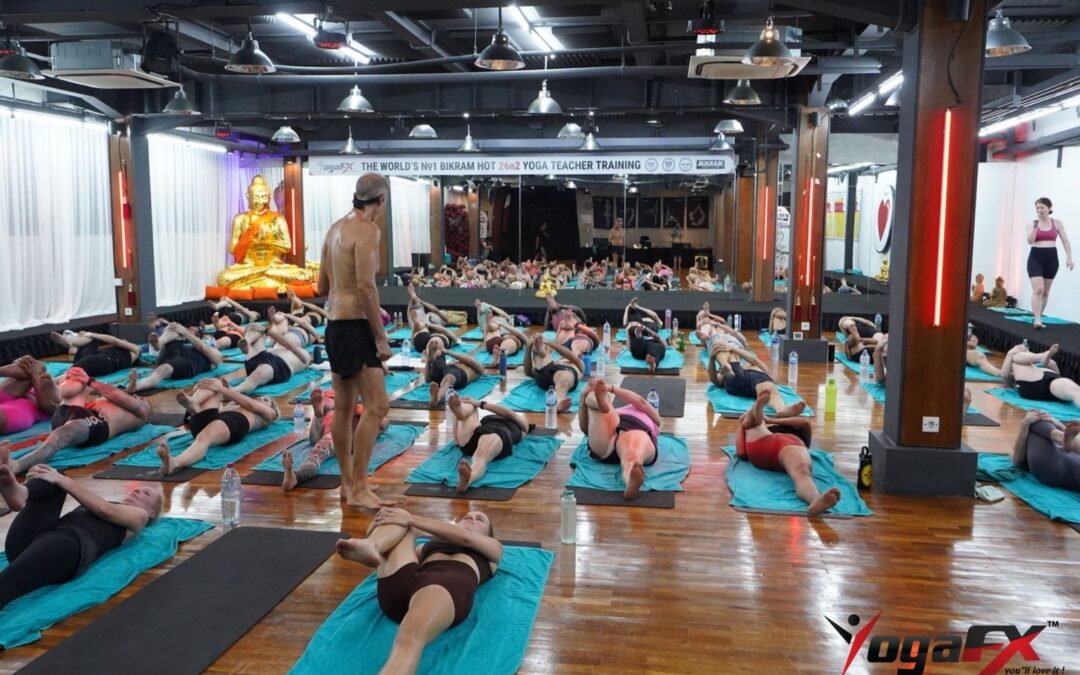
Hot yoga vs Pilates comes down to how hard each one makes your heart work. In a heated 90-minute class study, men averaged about 80% of predicted maximum heart rate. In a 50-minute Pilates mat study, young women averaged 54% to 62%. So hot yoga loads the heart more, while Pilates is gentler on it and aimed at core control.
That comparison has a catch, and it matters if you are a man deciding where to start. The hot yoga study included seven men. The Pilates study included none. Below we set the two bodies of evidence side by side, say plainly where they cannot be compared, and then look at the question most home learners really ask: which one is easier to learn online?
One note first. This article is general information, not medical advice. If you have a heart condition, high blood pressure, or you take regular medication, please consult a healthcare professional before starting either practice, and especially before any heated class.
Hot Yoga vs Pilates: The Evidence in One Table
Read each row left to right. The last column says what to be careful about, because the two studies were built for different questions and measured different people.
| Measure | Hot yoga (heated class) | Pilates (mat) | Careful with |
|---|---|---|---|
| Who was measured | 20 regular practitioners aged 28 to 67, including 7 men and 13 women | 15 healthy women aged 18 to 26 with intermediate Pilates experience | No men in the Pilates study. |
| Session length | One 90-minute class, 26 postures | Two 50-minute mat sessions, one beginner and one advanced | Different lengths, so totals are not equal. |
| Average heart rate, % of predicted maximum | About 80% for men, 72% for women | 54% beginner, 62% advanced | Part of the hot yoga figure comes from the heat, not the movement. |
| Oxygen use | Not reported in that study | 43% of VO2 max in the advanced session | Only the Pilates study reported it. |
| Energy cost | About 460 kcal for men, 333 for women (separate 2014 study) | Advanced session equal to walking 3.5 to 4 miles per hour | The Pilates release gave no calorie total. |
| Researchers' verdict | Core temperature and heart rate "alarming" given how little movement happens | Cardiovascular benefits "appear to be limited", muscular work is real | Both are small, short studies. |
Two things stand out in the hot yoga vs Pilates table. First, both sets of researchers came from the same university and measured the same way, which makes the numbers fairer to compare than most. You can read the American Council on Exercise write-ups of the Bikram yoga core temperature study and the Pilates cardiovascular study yourself. Second, the Pilates volunteers were young women and the hot yoga volunteers were mostly women too. So the evidence for men is thin on both sides, and thinner for Pilates.
80% vs 54-62%
Average heart rate
Share of predicted maximum: heated yoga (men) vs Pilates mat sessions (women).
7 vs 0
Men in the studies
Men measured in the hot yoga study vs the Pilates study.
460 kcal
Hot yoga, men, 90 min
Energy cost in a separate study. About a brisk walk of the same length.
3.5-4 mph
Advanced Pilates, walking pace
The energy equivalent the researchers gave for the advanced mat session.
43% of VO2 max
Advanced Pilates oxygen use
Well under the level usually linked with improving aerobic fitness.
50 vs 90 min
Session length
Pilates sessions were 50 minutes. The hot yoga class was 90.
What the Heart Rate Numbers Really Say
At first glance the heart rate gap looks like a win for hot yoga. A class at 80% of predicted maximum is a real cardiovascular load. A Pilates mat session at 54% falls below the 64% to 94% range that exercise guidelines link with improving aerobic fitness. The Pilates researchers said so directly: its cardiovascular benefits "appear to be limited."
However, heat inflates the hot yoga number. In the Wisconsin hot yoga study, one man ended the class above 104°F core temperature, and seven of the 20 volunteers passed 103°F. The researchers called the rise "alarming" because so little movement happens in the class. We covered that study line by line in is hot yoga a cardio workout.
So the honest reading of hot yoga vs Pilates on the heart is this. Hot yoga demands more from your heart, partly because of the room. Pilates demands less, and it does so without any heat risk. Neither counts as a substitute for a run or a bike ride if aerobic fitness is your main goal.
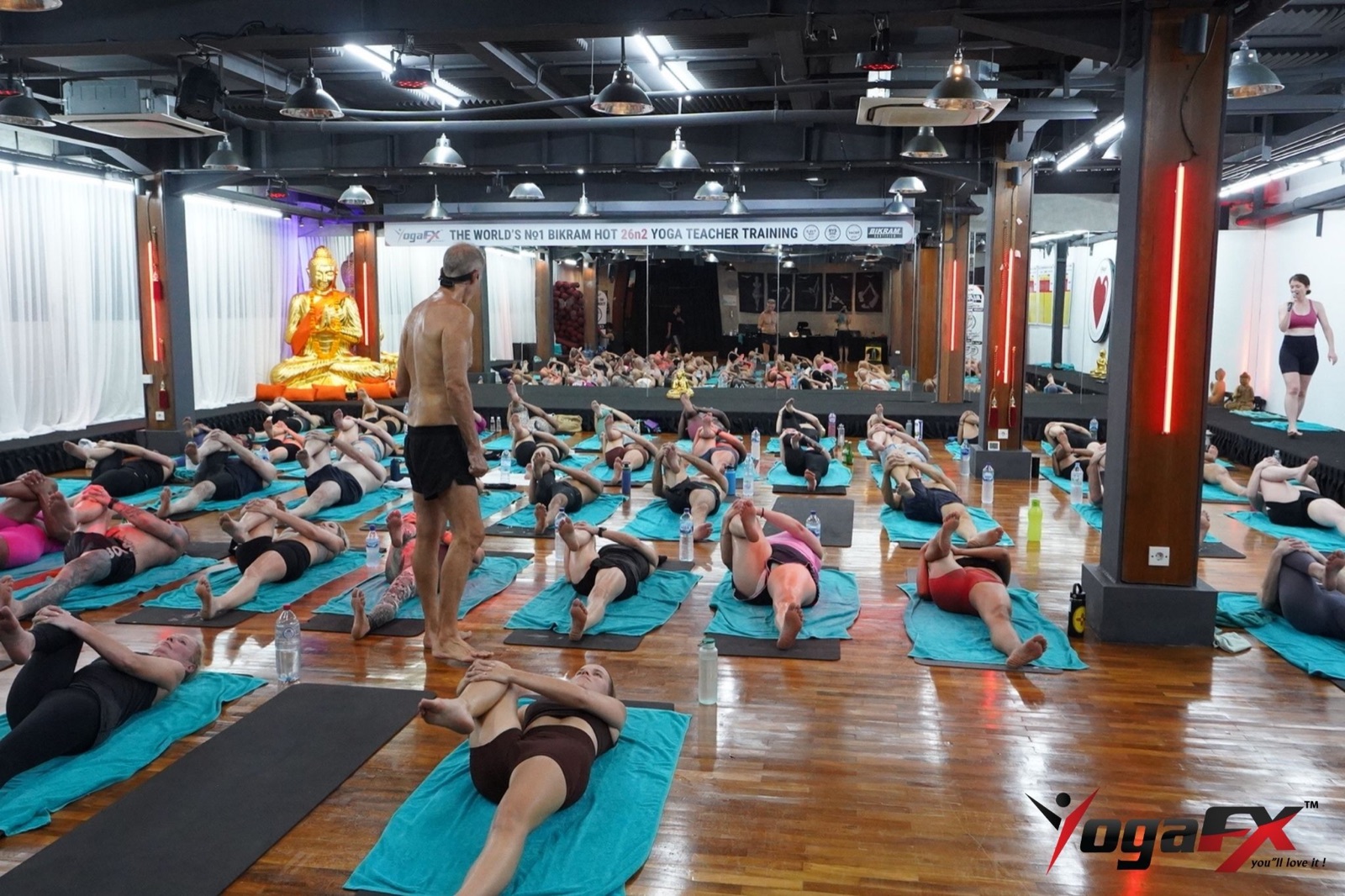
Strength and Flexibility: Hot Yoga vs Pilates for Men
Heart rate is not why most men look at either practice. They want a stronger back, looser hips and fewer aches. Here the evidence is thinner, but it points in a clear direction.
- Hot yoga: a small randomised trial by Tracy and Hart (2013) gave 10 healthy young adults 24 classes over 8 weeks. They gained deadlift strength and flexibility in the lower back and hamstrings, with a modest fall in body fat. Handgrip and aerobic fitness did not change.
- Pilates: the ACE team did not test strength. Its chief exercise physiologist still described Pilates as valuable for core strength and flexibility, even though it burns relatively few calories.
- Both: neither study analysed men separately, so we cannot say how a man in his forties responds compared with a woman in her twenties.
For a deeper read of the hot yoga strength data, see does hot yoga build muscle.
Which Is Easier to Learn Online?
This part is not research, it is teaching experience, so treat it as our view. Mr. Ian Terry, E-RYT 500, has taught more than 12,000 hours, and the questions from online learners are consistent. Here is how the two compare when you learn at home.
| Learning factor | Hot yoga | Mat Pilates | Our take |
|---|---|---|---|
| Equipment | A mat and a towel | A mat, and often a ring or reformer for full programmes | Mat work is equal. Reformer work is not a home option. |
| Structure | Fixed 26-posture sequence, same order every class | Many methods and class styles, order changes | A fixed sequence is easier to follow from a video. |
| Form feedback | Postures are held, so you can check a mirror or video | Small controlled movements are harder to self-check | Pilates cues are subtler, so a teacher's eye matters more. |
| The room | The heat cannot be copied safely at home | No heat needed | Learn hot yoga at room temperature first, add heat later. |
| First-month risk | Overheating if you jump into heat too fast | Low, mostly from poor form | Hot yoga needs a slower ramp-up. |
The fixed order is the biggest advantage for a home learner. Once you know the sequence you can practise it anywhere, and you can check your own progress by timing your holds. Our guide to the 26&2 poses shows each posture.
A Two-Week Home Test: Try Both Before You Choose
You do not have to pick on theory. Run a two-week experiment at room temperature, three sessions a week, and write down how you feel. This keeps the heat out of the comparison, so you are really testing the movement style. If you want trial data on the heat itself, see heated versus room temperature yoga trials.
- Days 1, 3 and 5 of each week: a 20-minute standing and floor sequence. Use Half Moon, Awkward pose, Tree and Cobra, holding each for 15 to 20 seconds.
- Days 2, 4 and 6: a 20-minute mat core session. Use a beginner video, such as dead bugs, leg circles and a plank.
- After each session, note three things. How long you could hold Tree, how your lower back felt, and how hard it felt from 1 to 10.
- On day 14, compare. The one you looked forward to is usually the one you will keep doing.
Consistency matters more than the label. If you want help turning this into a plan, a plain log of sessions is enough. Our sister studio site also gives a studio-side comparison of Bikram yoga and Pilates.
Safety: Where the Two Practices Differ Most
The biggest practical difference in hot yoga vs Pilates is not calories. It is heat. A heated room raises core temperature, and the Wisconsin team saw dangerous readings from about the 60-minute mark of a class. Pilates in a normal room has no such issue.
- If you have heart disease, high blood pressure or take blood pressure medication, ask your doctor before heated classes.
- If you are trying to conceive, ask your doctor about heat. We reviewed that evidence in our guide to hot yoga and male fertility.
- Heat acclimatisation takes about 10 to 14 days for most healthy people, so build up slowly.
- Warning signs of heat trouble are cramps, headache, dizziness and weakness. Lie down and cool off if any appear.
If safety is your main worry, Pilates in a normal room is the lower-risk place to start. If the sequence and the challenge of the heat appeal to you, start at room temperature and add the heat later.
How to Choose Between Hot Yoga vs Pilates by Goal
The right pick in hot yoga vs Pilates depends on what you want from the next three months. Use the list below as a starting point, not a prescription, because the studies cannot tell us how any one man will respond.
- You want a harder cardiovascular session: hot yoga loads the heart more, but part of that is the heat. Add a run or a bike ride if aerobic fitness is the main goal.
- You want gentle core work without heat: Pilates in a normal room is the lower-risk choice, and it suits a first month after a layoff.
- You want a fixed routine you can learn once: the 26-posture hot yoga sequence is the same every class, which makes it easier to learn from a video.
- You have a heart, blood pressure or heat concern: start with Pilates or room-temperature yoga, and speak with your doctor before any heated class.
Many men end up doing both. A hot yoga vs Pilates split of two sessions of one and one of the other each week keeps the weekly load varied. Treat that as a pattern people report rather than a tested protocol, since no trial we found compared the two head to head.
One more point on hot yoga vs Pilates for men who are new to either one. The first two weeks are mostly about learning to breathe and hold still, not about intensity. Keep every session shorter than you think you need, and stop while you still feel good. A routine you can repeat beats a hard session you dread.
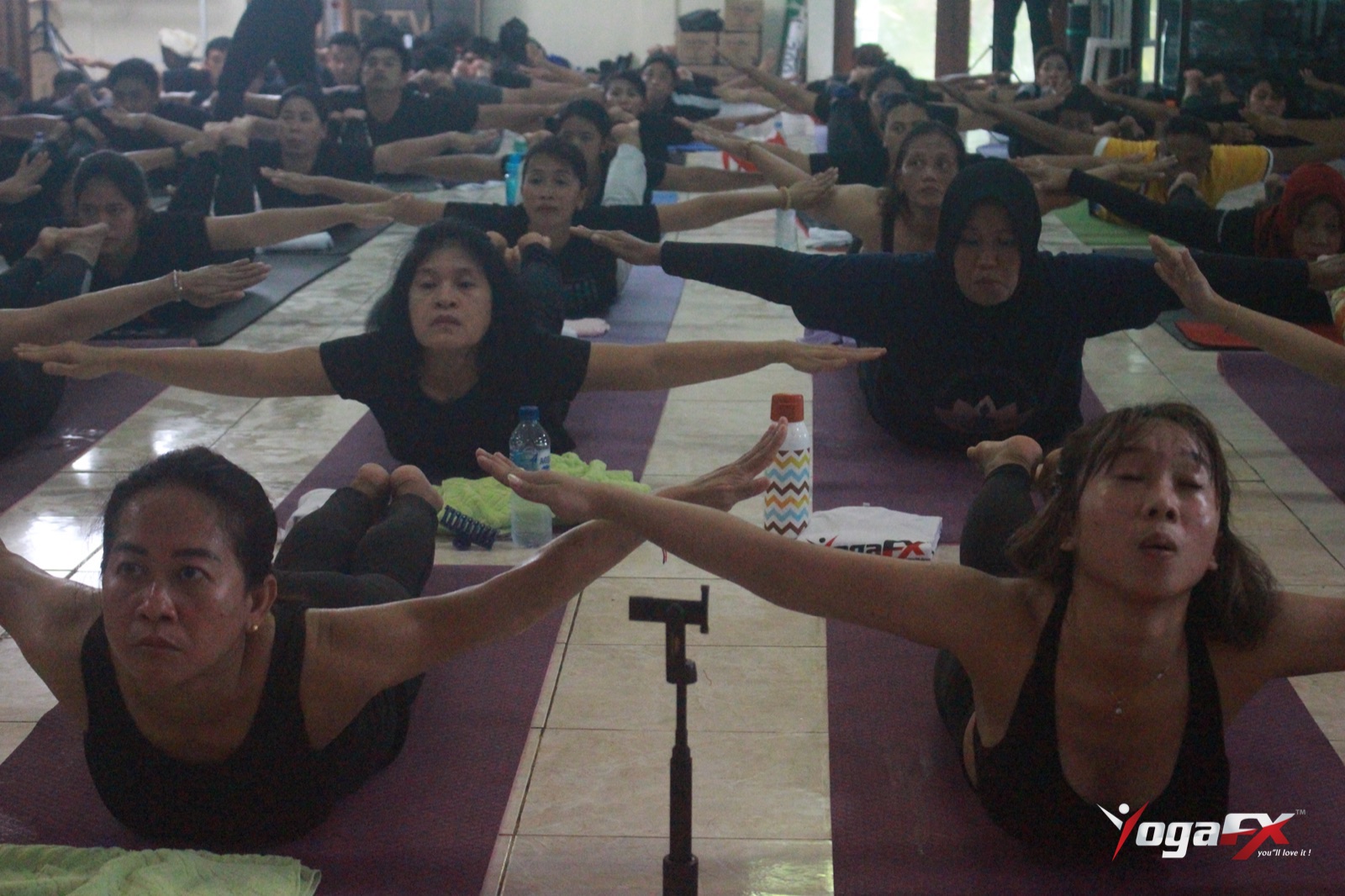
What Trainees Say About Learning Hot Yoga
Data tells you what happens on average. Trainees tell you how learning feels. Here is what three YogaFX students said after their courses.
"It's so supporting, it's like, oh yes, I can do it." (translated from a spoken video review, edited for clarity)
Erica, YouTube review, 2025
"I learnt so many things about my body and my mind, I became conscious of so many things I ignored before, now I feel better."
Giovanni, Google review, 2022
"Thank you for this amazing opportunity and eye opening experience."
Joanne, YouTube review, 2025
Joanne's video review is below.
Go Deeper With the Original Hot 26&2 Method
If the structure of hot yoga appeals to you more than the variety of Pilates, our hot yoga teacher training online course was built for exactly that learner. You study the 26 postures, the dialogue and the science at home, on your own schedule, with Mr. Ian Terry as your teacher.
Who Teaches the Course
Mr. Ian is E-RYT 500 with more than 12,000 teaching hours. He trained for five years, from 2014 to 2019, with the founder of the method. Since 2017, YogaFX has trained more than 1,500 graduates from over 80 countries.
The Next Step in Bali
When you are ready for the heat in person, the next step is the six-day Bikram Hot 26&2 Yoga Teacher Training MasterClass in Bali. The next batch checks in on Sunday 24 January 2027 at Soham Wellness Center in Seminyak. The Early Bird price is US$1,899 (normally US$1,999), with payment plans from US$250 a month.
FAQ
Is hot yoga or Pilates better for weight loss?
Neither shows big weight loss in the studies we found. A 90-minute hot yoga class cost men about 460 kcal and women about 333, similar to a brisk walk. An advanced Pilates mat session equalled walking 3.5 to 4 miles per hour. Diet and regular activity matter far more than the style you choose.
Does hot yoga or Pilates burn more calories?
Hot yoga usually burns more per session because classes run 90 minutes and the room is hot. Men burned about 460 kcal in one study. Pilates researchers reported that an advanced mat session matched walking 3.5 to 4 miles per hour and called its calorie burn relatively small.
Is hot yoga harder than Pilates?
On the heart, yes. Men averaged about 80% of predicted maximum heart rate in a heated class, against 54% to 62% in Pilates mat sessions. Pilates can feel harder on small core muscles, though. The two studies measured different people, so the comparison is a guide, not a ruling.
Can you do hot yoga and Pilates in the same week?
Most healthy people can, if they build up gradually. Keep the first fortnight to three or four sessions in total, drink water early, and rest if you feel dizzy or weak. If you have a heart or blood pressure condition, ask your doctor before adding any heated class.
Still have questions? Message Mr. Ian and the YogaFX team on WhatsApp and we will answer them personally.

Founder and lead trainer of YogaFX International Yoga Teaching Academy, with more than 12,000 hours of teaching. He trained for 5 years, from 2014 to 2019, with the founder of the Bikram Hot 26&2 method.
You may also like
Explore all articles ↗ Teacher Training Guides11 min read14 Nov 2026
International Yoga Sports Federation and Yoga as a Sport: What Recognition Requires
Read article ↗ Teacher Training Guides11 min read13 Nov 2026
Sauna After Hot Yoga? What Core Temperature Data Suggests
Read article ↗ Teacher Training Guides10 min read13 Nov 2026