
Hot yoga for athletes works best as a planned heat exposure, not a random extra session. Research on heat adaptation suggests that repeated, sensible heat can lower core temperature and steady the heart during hard work. However, no study has tested a yoga class for that job, so treat one weekly class as a trial.
Hot Yoga for Athletes: The Short Answer
Most athletes ask the same thing before a first heated class: is hot yoga for athletes worth a session? Will it help my sport, or will it cost me one? The honest answer depends on two things, namely how you use the heat and what you expect from it.
Here is what we can say with confidence. A large review of heat adaptation found real benefits from repeated heat exposure in athletes and other exercisers. Here is what we cannot say. That review didn't test yoga, so we can't promise that hot yoga for athletes delivers the same gains. We'll show you both sides, then give you a safe way to test hot yoga for athletes yourself.
Mr. Ian Terry, an E-RYT 500 teacher with more than 12,000 teaching hours, gives athletes four starting rules:
- Begin with a single class. Let your body answer before you plan a second.
- Protect your hard days. A heated class belongs well away from a match, a race or a heavy lift.
- Fluids come first. Water starts the evening before, and a bottle sits beside the mat.
- You may always step out. Faint or weak means rest, then cool down.
The rest of this guide explains why those four lines matter for hot yoga for athletes. It also gives you a 12-minute routine you can do at home in a normal room, which suits a busy training week.
What Heat Acclimation Research Actually Found
Heat acclimation means giving your body repeated, controlled exposure to heat so it copes better. Athletes who compete in warm weather use it on purpose, so it is the best lens for judging hot yoga for athletes. A major summary of the topic is a 2016 meta-analysis in Sports Medicine by Tyler, Reeve, Hodges and Cheung. It is listed on PubMed under PMID 27106556.
The authors reviewed 96 articles. The most common protocol lasted 7 to 14 days, and the most common method was a controlled work-rate approach. In plain words, people exercised at a set effort in a hot setting, day after day.
What the review reported
The abstract reports three main results. Each one matters for hot yoga for athletes:
- Performance. Heat adaptation had a moderately beneficial effect on exercise capacity and performance in the heat, whatever the regimen.
- Body temperature and heart. It had a moderate-to-large effect on lowering core body temperature before and during exercise, and on keeping the cardiovascular system stable.
- Length of the protocol. Longer regimens were more effective than shorter ones. The effect was greatest for regimens lasting more than 14 days.
What it means for you
The table below turns those results into plain advice for hot yoga for athletes. We added a third column, because a result only helps if you know what it means for your week.
| What the review reported | What it measured | What it means for an athlete |
|---|---|---|
| 96 articles reviewed | Studies of heat adaptation in exercisers | The evidence base is large, but it is about controlled heat work, not yoga |
| 7 to 14 days most common | Length of the heat protocol | Adaptation comes from repeated exposure, so one class a month will not do much |
| Moderate benefit to performance in the heat | Exercise capacity and performance | It matters most if you compete in warm weather |
| Moderate-to-large effect on core temperature | Body temperature before and during exercise | A body that runs cooler has more room to work hard |
| Longer than 14 days works best | Comparison of short and long regimens | Patience pays, and so does a gradual build |
Heat adaptation by the numbers
96
Articles reviewed
Tyler et al. pooled the heat adaptation literature in 2016.
7 to 14
Days, most common
The usual length of a heat protocol in those studies.
14+
Days, biggest effect
Adaptation was greatest for regimens longer than 14 days.
20%
Day-one exposure
CDC advice for new workers, adding no more than 20% a day.
2 to 3
Days to regain it
CDC says lost acclimatization can often return in 2 to 3 days.
Does a Yoga Class Count as Heat Training?
This is the question that decides whether hot yoga for athletes is a training tool or just a pleasant extra. The honest answer is that nobody has shown it either way. A yoga class and a controlled heat protocol differ in four ways that matter.
- Workload. Most protocols fix the effort. In a class, effort shifts from posture to posture and from day to day.
- Frequency. A protocol repeats most days. One class a week is far less exposure than the 7 to 14 days the studies used.
- Dose. A class runs 90 minutes at about 40°C and 40% humidity. Research protocols set their own temperature and length.
- Measurement. Researchers track core temperature. You will not, so you rely on how you feel.
A class is not a protocol
That means hot yoga for athletes is best seen as a sensible way to get used to heat, not as a proven heat acclimation plan. If you compete in a hot place, talk to your coach or a sports medicine professional about a real protocol. A class can sit beside that plan on an easy day.
The CDC gives a useful model for building heat tolerance slowly. Its acclimatization guidance for workers says to increase exposure over a 7 to 14 day period. New workers should start at no more than 20% exposure on day one and add no more than 20% each day. Workers with experience can go faster, from 50% on day one to 100% on day four.
You can read the full schedule on the CDC NIOSH acclimatization page.
That guidance is for workers, not yoga students. Still, the principle carries over to hot yoga for athletes. A new heated-class student should not start with the full 90 minutes of effort. Sit out postures, rest between them, and let the room teach you its demands over several weeks.
The same page notes that lost acclimatization can often be regained in 2 to 3 days of returning to heat, so a short break from class is not a disaster.
Heat Safety Rules Every Athlete Should Follow
Athletes are used to sweating, and that is exactly why hot yoga for athletes needs its own safety rules. A fit body can hide the early warning signs. The CDC page on heat and athletes says people who exercise on hot days are more likely to become dehydrated and get heat-related illness.
The same page gives advice that fits a heated class well. Drink more water than usual, and do not wait until you are thirsty. Muscle cramping may be an early sign of heat-related illness. Start activities slowly and pick up the pace gradually. If you feel faint or weak, stop all activity and get to a cool place.
MedlinePlus explains why that matters. Its heat illness summary describes heat exhaustion as an illness that can follow exposure to high temperatures without enough fluids, with heavy sweating, rapid breathing and a fast, weak pulse. It describes heat stroke as life-threatening, with body temperature that may rise above 106°F (41°C) in minutes.
Its prevention advice is short: drink fluids, replace lost salt and minerals, and limit your time in the heat.
Put those points into three habits you can repeat every time:
- Arrive full, not thirsty. Treat fluids as part of your warm-up, and keep your last meal light.
- Pace by feel. If a posture feels like a hard interval, sit out and breathe slowly.
- Refuel and read the signs. Water, some salt and food afterwards help, and a racing pulse or confusion means medical help.
This article is general information, not medical advice. Please consult a healthcare professional before you start a heated routine, especially if you have a heart condition, low blood pressure or a history of heat illness.
A 12-Minute Home Add-On for Training Weeks
You don't need a hot room every time you want the mobility work. Many benefits of hot yoga for athletes, such as hip and hamstring time, come from the postures themselves. A short home routine in a normal room gives you hip, hamstring and shoulder time without the extra heat load. That makes it a good fit for a heavy week, when a full class would be too much.
One honest note first. We looked for a trial of hot yoga for athletes and flexibility that we could open and check. We did not find one we trust, so this article makes no numeric claim about flexibility gains. Treat the routine below as simple, low-risk practice, and judge it by how your next session feels, because that's the only number you can measure at home.
The routine, step by step
- Standing deep breathing, 1 minute. Lift your arms slowly as you inhale and lower them as you exhale. It settles your breathing before anything else.
- Half moon sideways, 2 minutes. Hands overhead, bend gently to each side. Keep both hips level and stop at a mild stretch.
- Hands to feet pose, 2 minutes. Fold forward with soft knees. Let your head hang and breathe slowly.
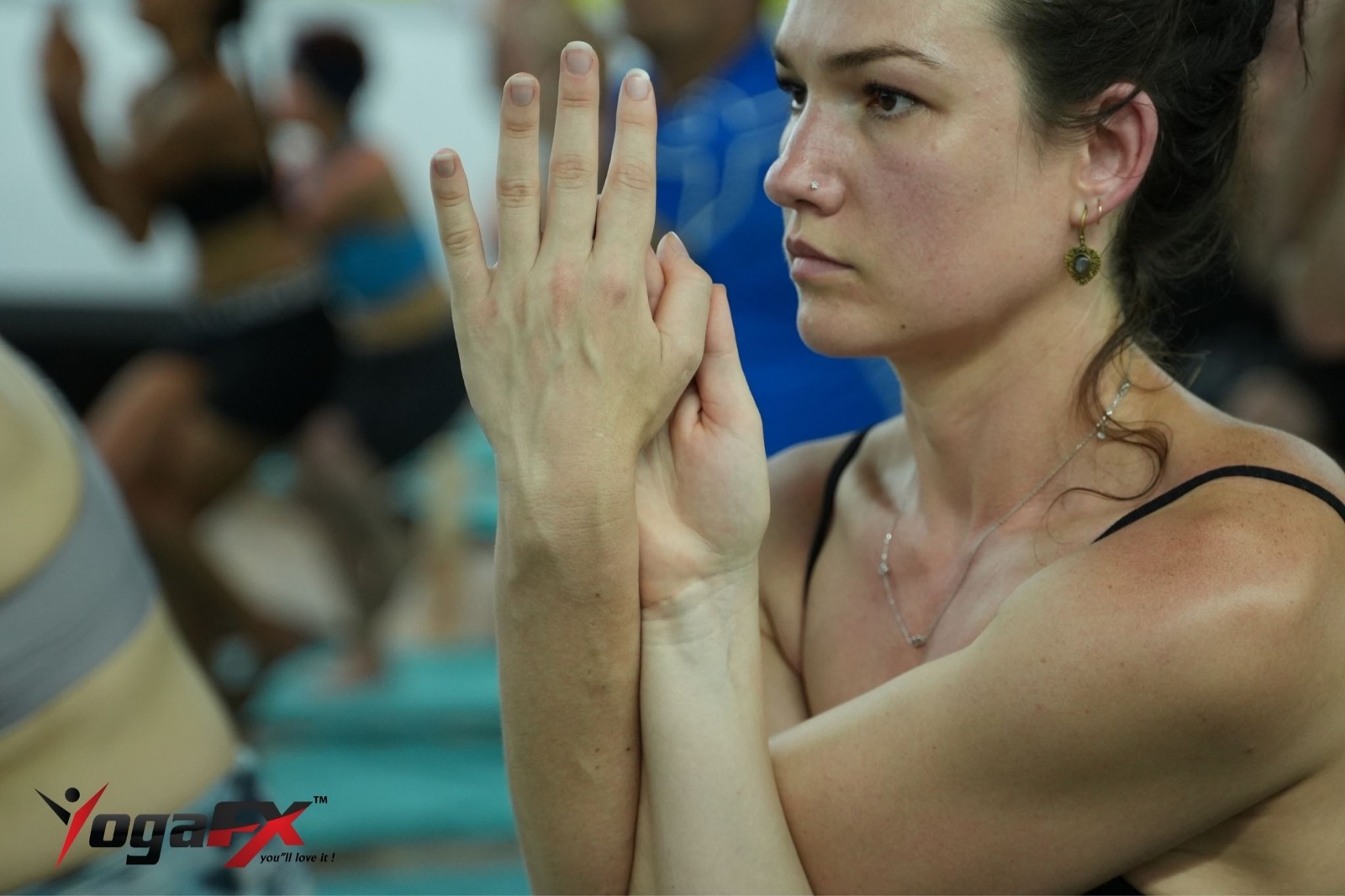
- Eagle pose, 2 minutes. Hold each side for about 30 seconds. Use a wall for balance if you need it.
- Standing head to knee, 2 minutes. Keep it gentle, with the knee bent if your hamstring is tight.
- Floor rest, 3 minutes. Lie on your back, breathe through your nose, and let your heart rate settle.
Take every posture to a mild stretch, never to pain. If a posture hurts, skip it and tell your coach. Our guide to yoga for footballers shows how the same ideas apply to team sports, and our hot yoga for runners guide covers endurance athletes.
Your First Month: A Graded Start in the Heat
Think of your first month of hot yoga for athletes as a small heat acclimation plan of your own, built on the CDC idea of adding exposure gradually. Because a heated class is a moderate load, it needs a slot where it will not steal from a key session. If you want the placement detail, a separate guide explains how to fit one class around a training week.
The table below is a pattern, not a prescription. It borrows the idea of a graded start and applies it to hot yoga for athletes who are new to the room.
| Week | Heated class | In the room | Check afterwards |
|---|---|---|---|
| Week 1 | None, home routine twice | Learn the postures at room temperature | Which postures felt tight? |
| Week 2 | One class, easy day | Sit out any posture that feels like an interval | Next-morning pulse and mood |
| Week 3 | One class, same day | Stay for more of the class, with water ready | How the next workout felt |
| Week 4 | One class, plus home routine | Keep your own pace, rest as needed | Decide: keep, repeat or drop |
Before an important event, add no new heat in the final week. After it, wait several days and start again with the home routine. Write down how each session felt, because your own notes beat any article. If you want timelines, see our research on how long hot yoga takes to show results, or read is hot yoga a good workout for intensity.
Who Should Check First Before Hot Yoga for Athletes
Some people should speak to a doctor before they try hot yoga for athletes. That includes anyone with a heart condition, low blood pressure or a past episode of heat illness. It also includes anyone who is pregnant, or who takes medicine that affects fluids or heart rate.
Injured athletes need the same care. A warm room can make a strained muscle feel better than it is, so you might stretch further than you should. If you are returning from injury, ask your physio whether hot yoga for athletes fits your rehab, and start with the home routine instead.
What Students Say About the Training
Athletes are not the only people who find this work hard and worthwhile. Here is what three of our students said in their own reviews. None of them was writing about sport, so read these as comments on how Mr. Ian teaches.
"Amazing Yoga, amazing teacher, I got so much benefits from yogaFX."
Volla, Google review, 2020
Lisa, in a YouTube review from 2023, thanked Mr. Ian for guiding her toward becoming a good teacher, especially for bigger classes. Agnieszka spoke at her graduation ceremony about the difference between being alone and being lonely, and closed with "Replace alone with together" (YouTube review, 2023). A student who feels supported keeps coming back, and that habit matters in any training plan.
How Mr. Ian Terry Teaches the Class
Mr. Ian Terry is an E-RYT 500 teacher with more than 12,000 teaching hours. He has taught more than 1,500 graduates from over 80 countries, and he trained for five years, from 2014 to 2019, with the founder of the Bikram Hot 26&2 method. His classes run 90 minutes at about 40°C and 40% humidity. He teaches from a scripted dialogue, with no music and no demonstration.
That style has a practical benefit for hot yoga for athletes. Nobody shows you a deeper version to chase, and the same cues repeat every class. You can match your effort to your own legs on the day. Bikram yoga for athletes, taught from a fixed script, suits people who like clear structure, and those used to coaches pushing them often find the quiet change useful.
Some athletes who start with hot yoga for athletes want to teach it too.
YogaFX built its training as a hybrid for exactly that reason: you study online first, then join a short practical intensive in Bali. The next intensive checks in on Sunday 24 January 2027 and checks out on Friday 29 January 2027, at Soham Wellness Center in Seminyak. It leads to a Yoga Alliance RYT 200-Hour certificate and the Bikram Hot 26&2 200-Hour International Yoga Certification. Read more on our online hot yoga teacher training page.
FAQ
How does hot yoga help an athlete?
It gives you mobility work, slow breathing and a controlled dose of heat on an easy day. Heat adaptation research shows benefits for performance in the heat, but it did not test yoga. So treat the gains as possible, and judge them by how your next session feels.
Can hot yoga make you fit?
A 90-minute heated class raises your heart rate and asks for balance, strength and flexibility, so it can add to general fitness. It isn't a replacement for the training your sport needs. Most athletes use it as a moderate extra on an easy day, not as their main work.
Is hot yoga a sport?
A regular hot yoga class is practice, not competition. Competitive yoga exists, where judges score postures, but a studio class has no scorecard. That is one reason athletes can use it flexibly: you set your own effort, rest when you need to, and compare only with your last class.
Why is yoga important for athletes?
Many athletes use yoga for mobility, balance and calm breathing between hard sessions. We found no verified trial to quote on injury numbers, so we make no promise there. A short, gentle session can still help you notice tight spots early, and that is useful information for any training week.
Still have questions? Message Mr. Ian and the YogaFX team on WhatsApp and we will answer them personally.

Founder and lead trainer of YogaFX International Yoga Teaching Academy, with more than 12,000 hours of teaching. He trained for 5 years, from 2014 to 2019, with the founder of the Bikram Hot 26&2 method.
You may also like
Explore all articles ↗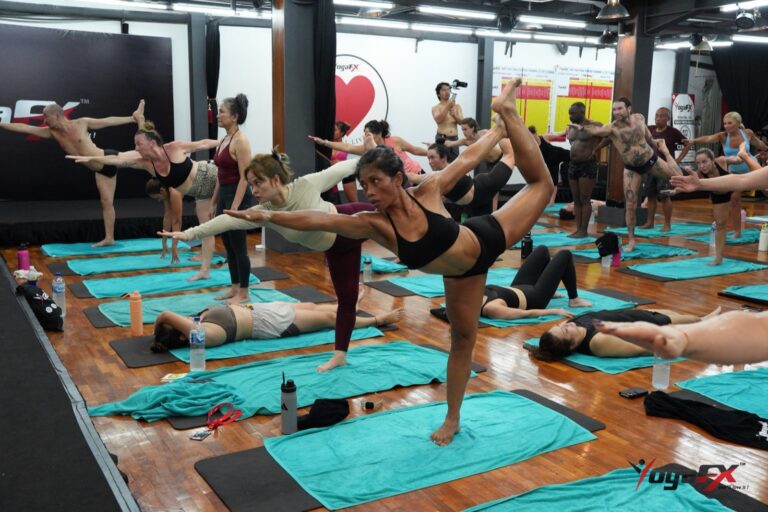 Teacher Training Guides11 min read14 Nov 2026
International Yoga Sports Federation and Yoga as a Sport: What Recognition Requires
Read article ↗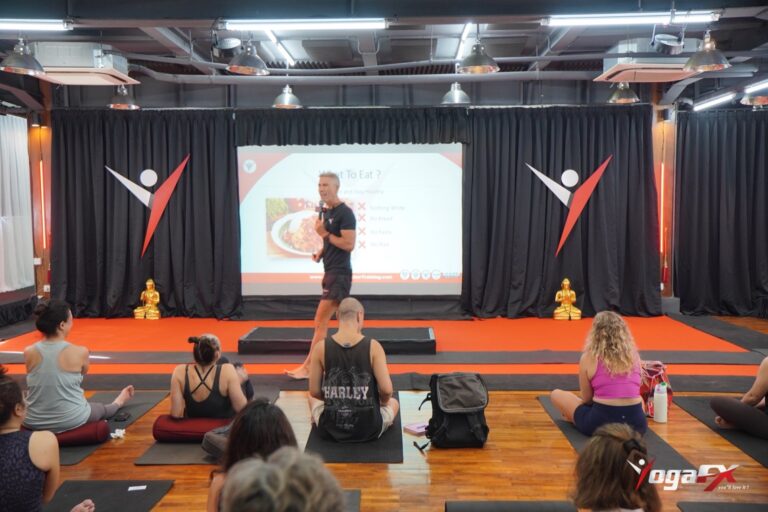 Teacher Training Guides11 min read13 Nov 2026
Sauna After Hot Yoga? What Core Temperature Data Suggests
Read article ↗ Teacher Training Guides10 min read13 Nov 2026